




We have much more to do and your continued support is needed now more than ever.
Connecting to Wild Florida and the Gulf in an Era of Climate Change
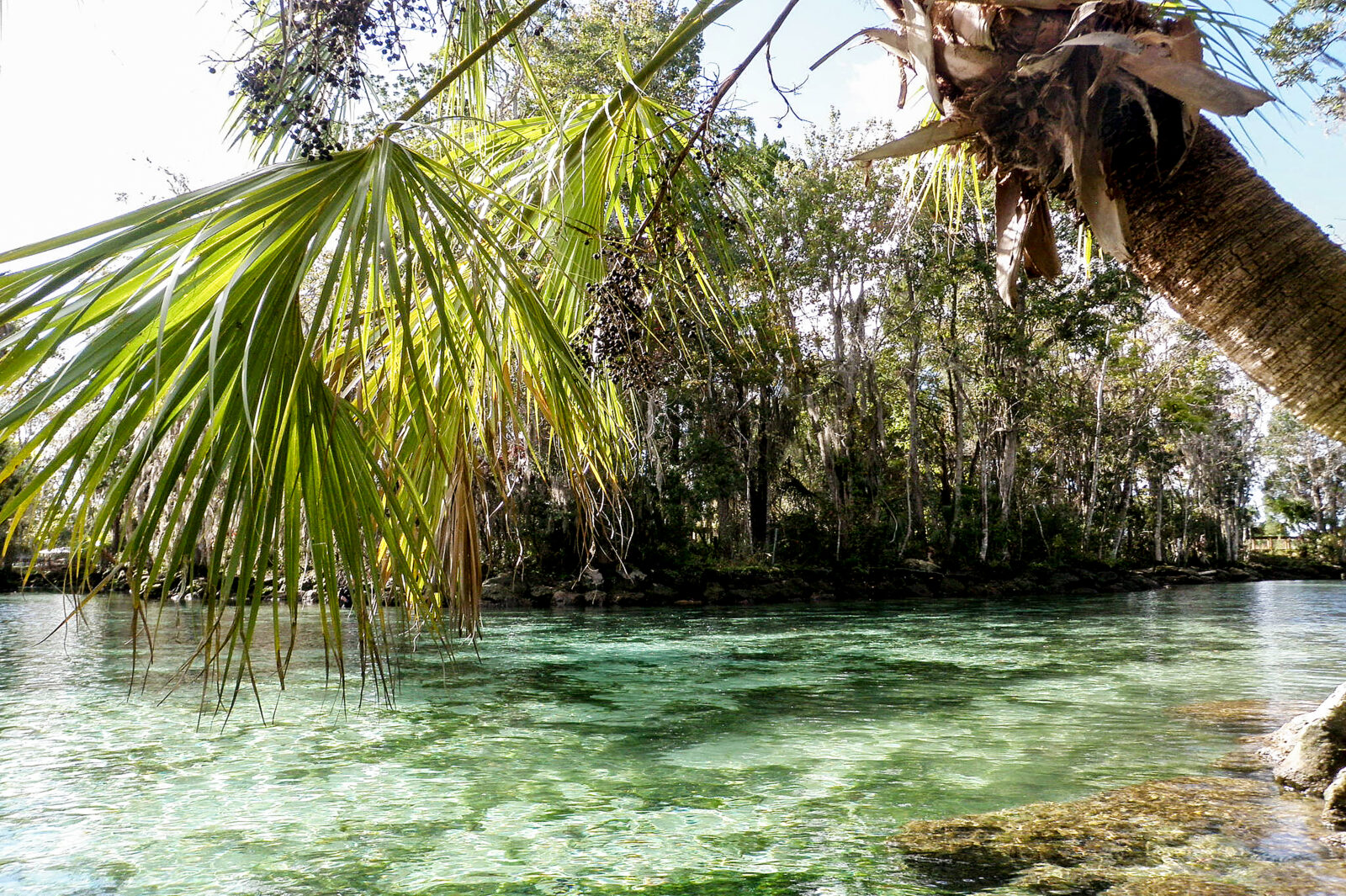
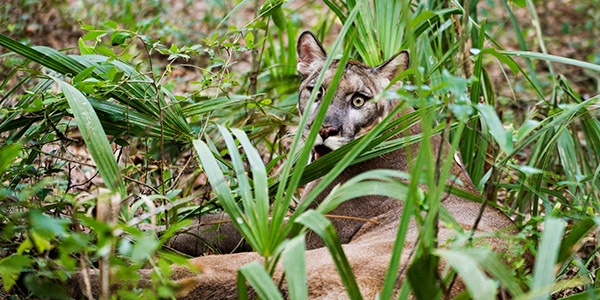
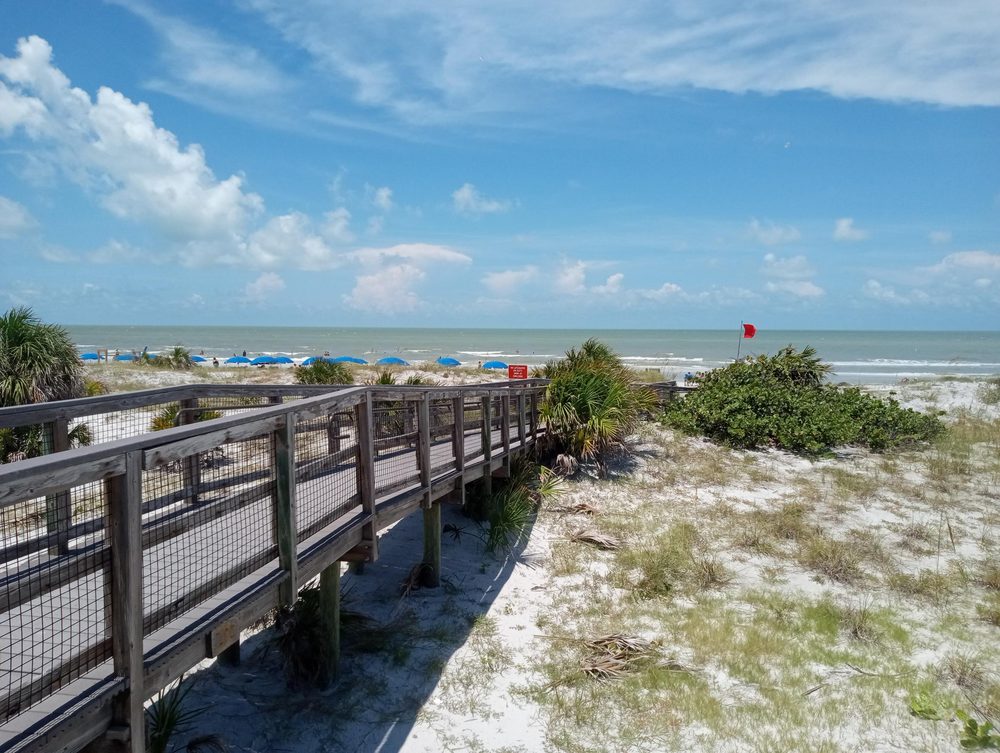
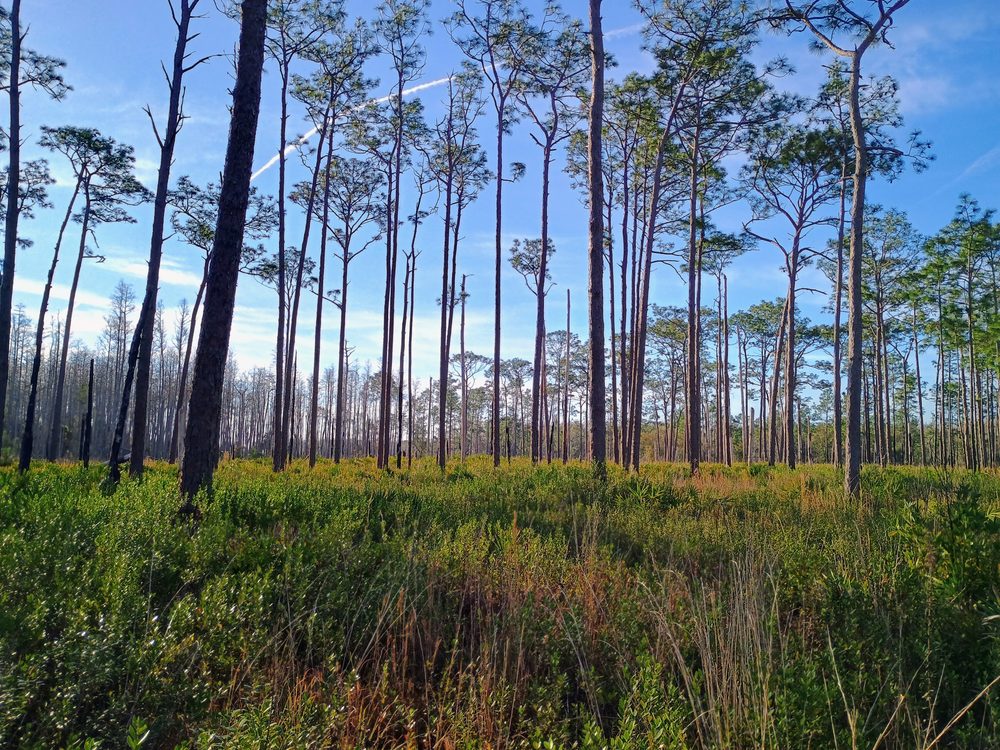
The wild beauty of Florida. Credit: Kaila Drayton
Florida has always been a land of profound changes. Seas have naturally risen and fallen over thousands of years, greatly expanding and contracting the peninsula.
A key difference now is that the invading sea that confronts us is rising as a result of human interference—a new reality we are facing across the globe.
Florida, in the human era, has always been a land of change. It was a land devoid of people, then a land of native tribes, a land of Spain, England, the United States, the Confederacy and the United States again. Many flags have flown over Florida.
In 1900, Florida was one of the least-populated states in the American South, with a population of roughly 528,000 people. By 1970, when I was born, Florida had grown to a population of almost 7 million people. Now, in 2026, Florida’s population is estimated at just over 23 million. To add to that, roughly 143 million tourists visit each year.
The Florida experience in the human era has always been defined by some degree of change. Some changes have been for the better, but most have been dramatically for the worse when viewed through the perspective of natural resources or quality of life of existing residents.
While valiant efforts have been made to protect and preserve some of Florida’s wild places, the pace of preservation has not kept pace with the pace of loss. And even when land is conserved, recent scandals in Florida remind us that nothing is permanently protected.
In the last wild corners of Florida, the bulldozers are at the gates of Eden.
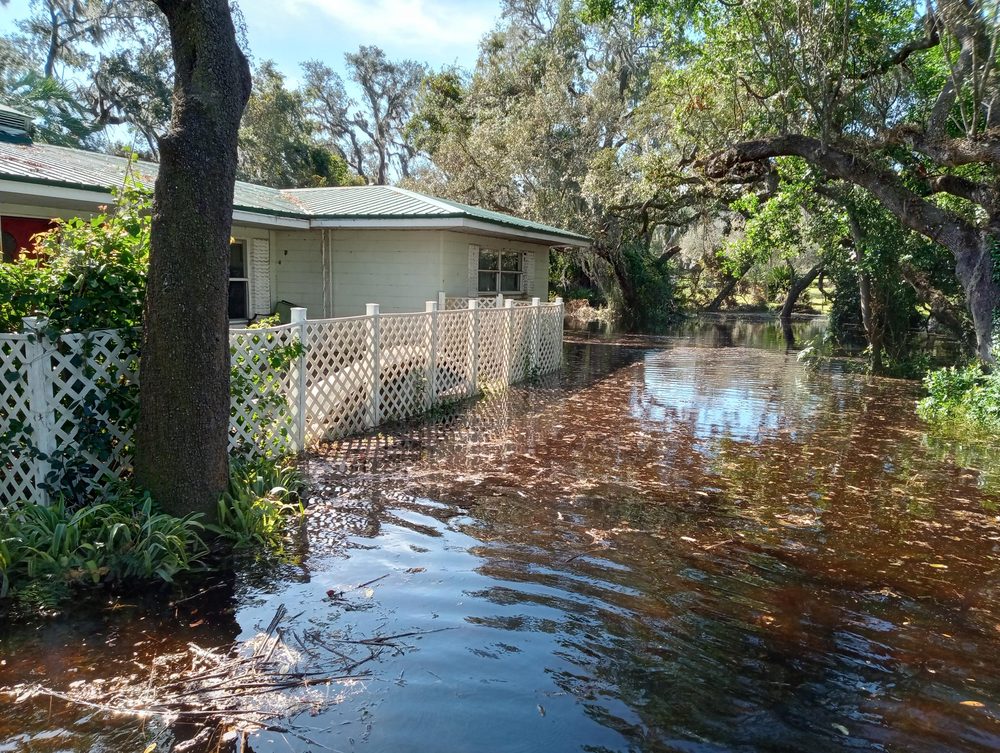
Add to this the unrelenting impacts of climate change, and the future of Florida can seem bleak indeed. Worsening hurricanes, increasing flooding, sea levels rising, invasive plants and animals spreading, resiliency decreasing and new pressures on even intact natural systems create an ominous future for Florida.
While we must do all we can to fight the causes and impacts of climate change in every way possible and protect every last wild place we can, we must do one more essential thing to ensure some positive vestige of the Florida experience continues: we must embrace, explore and exult in wild Florida! We must commit to immersing ourselves in all things natural in Florida.
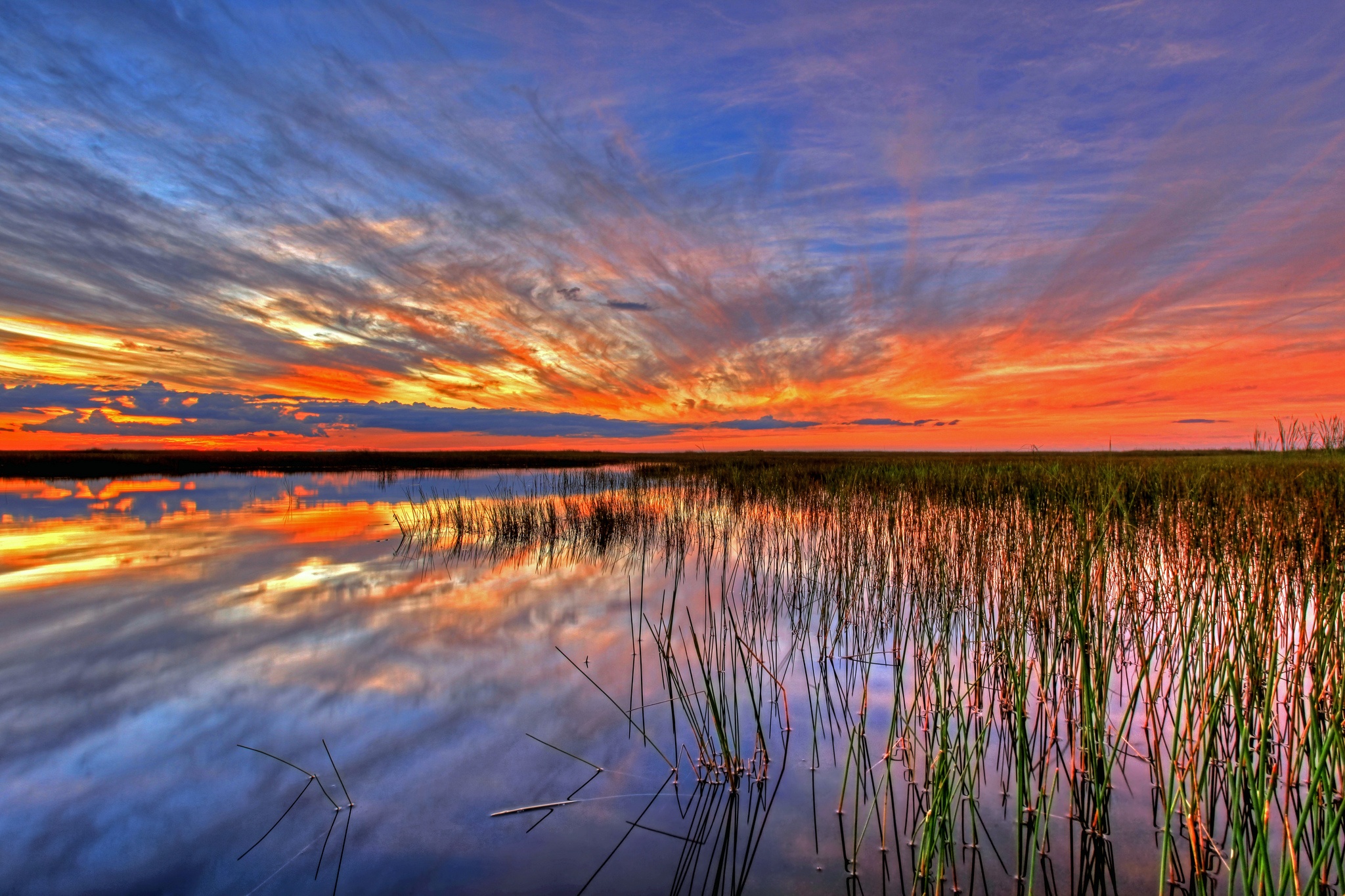
We must do this to ground conservation efforts in essential human experiences, and we must connect our youth and new residents to the Florida we have known. But at a deeper level, we must nourish our souls in the springs and rivers of this state. We must hike vast pinelands and rest under massive live oaks. We must swim in the Gulf and seek its bounty.
We must do this to keep some semblance of humanity alive in us.
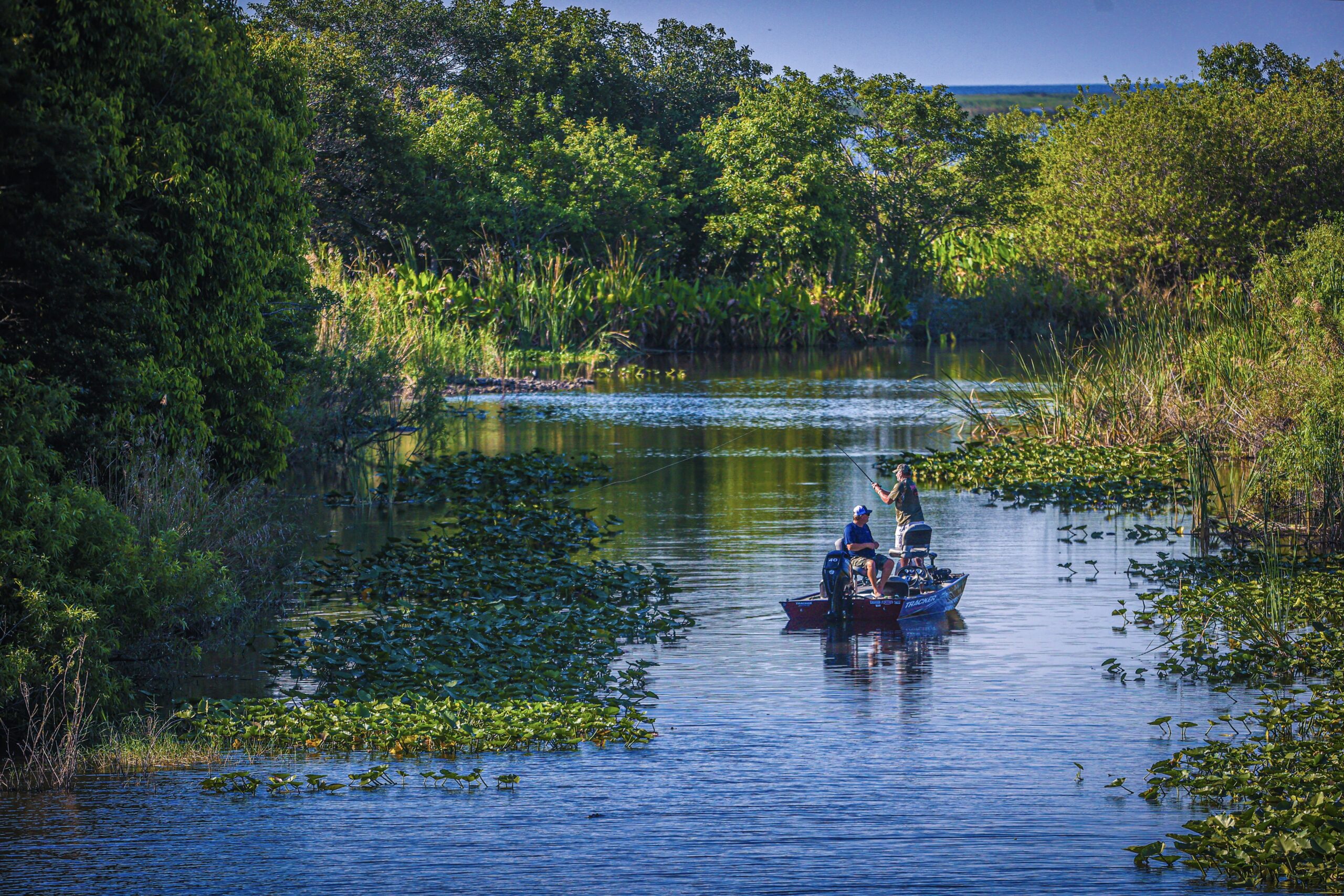
And we must do this because places generations have known and loved are disappearing, due to development and, increasingly, climate change.
Curb the causes of climate change, promote and enact policies and practices that embrace adaptation and resilience and work to conserve wild places—we must do all these things. I support the National Wildlife Federation because they seek these things.
At the same time though, we must explore, enjoy and immerse ourselves. Fill your soul with all things natural in Florida as an antidote against cynicism, a source of strength and resilience and because we still can.
The Florida experience has always been about the strange and chaotic things that comprise Florida. And the Florida experience will evolve in the era of climate change.
With that said, let it always be grounded in part in the deep, powerful and beautiful wild that surrounds us. Let us seek it just beyond that next bend in the river, down that winding trail and on the windswept beach. Let us connect in love to know, and know in love to preserve.
Resources for Exploration of Wild Florida
Joe Murphy is a former staffer for NWF’s Gulf Program. He contributes these blog posts as an alumnus and as a supporter. You can follow Joe on Instagram and on Facebook.
An edited and abridged version of this essay originally appeared in FAU’s The Invading Sea.
