










We have much more to do and your continued support is needed now more than ever.
Expanding Clean Energy Requires a Responsible Critical Minerals Supply Chain
Clean energy is a solution we have to address an overheating planet right now, but careful considerations must be made to protect wildlife and communities in the expansion.
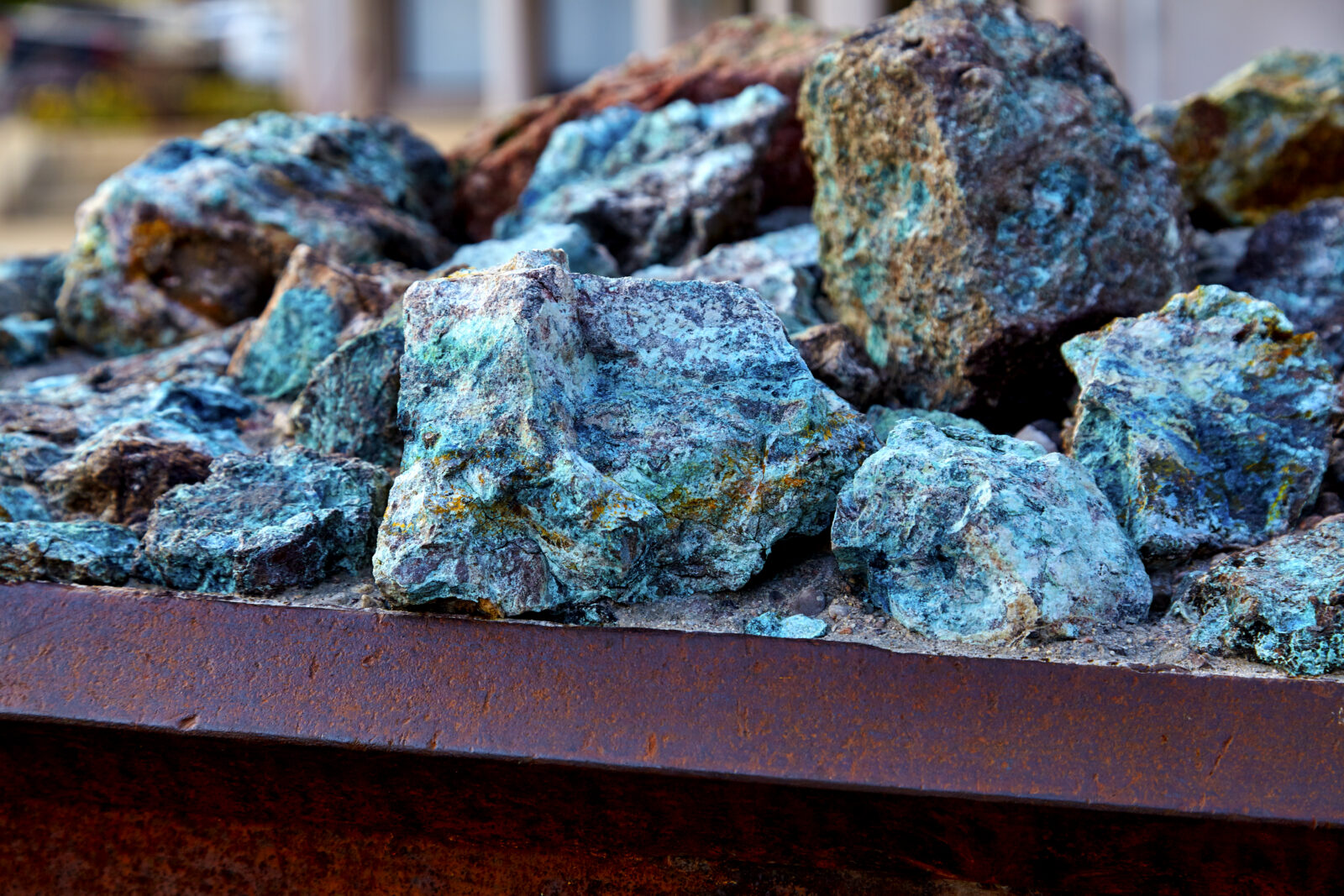
Raw copper ore. Credit: wingedwolf/Getty Images
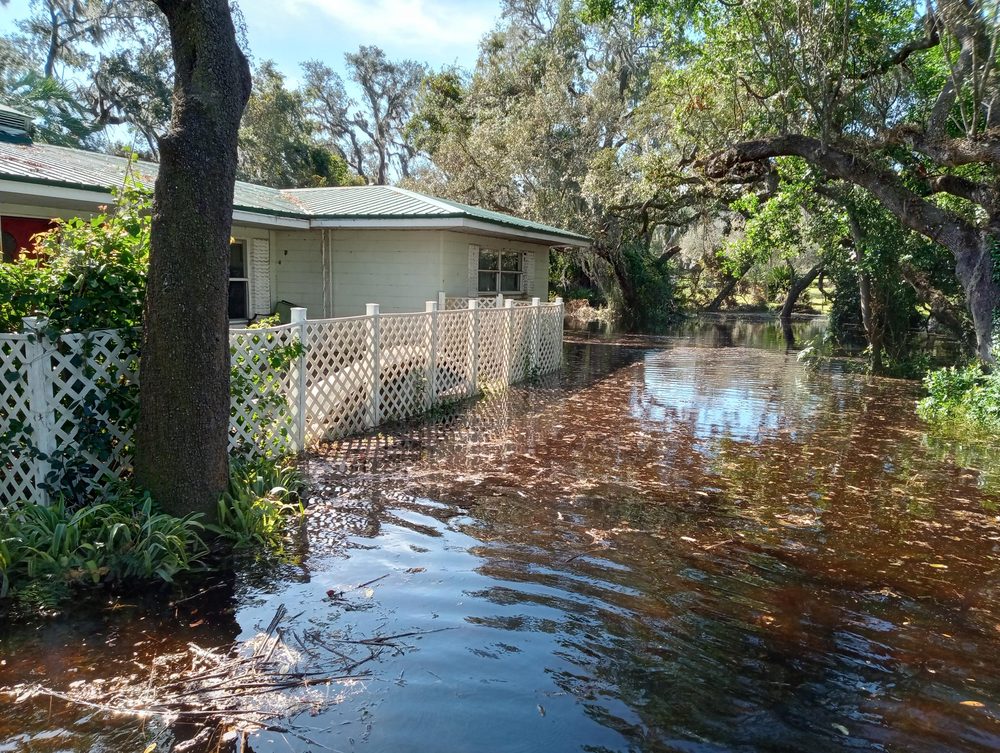
We are currently witnessing the consequences of an overheating planet. Prolonged heat waves, uncontrollable wildfires, flash flooding and other extreme weather events have become too common in recent years. Pollution from burning fossil fuels for over 200 years has built up in our atmosphere—overheating the planet and causing the real-world impacts we’re seeing daily. The best way to limit this pollution and slow climate change is to expand our use of clean energy like solar, and wind. These solutions are proven and ready to be deployed, but they also require vast amounts of critical minerals to build them.
Critical minerals are a class of raw materials that according to the Department of Energy “ha[ve] a high risk of supply chain disruption” and or “serve an essential function in one or more energy technologies.” These include minerals such as copper, lithium, and many others.
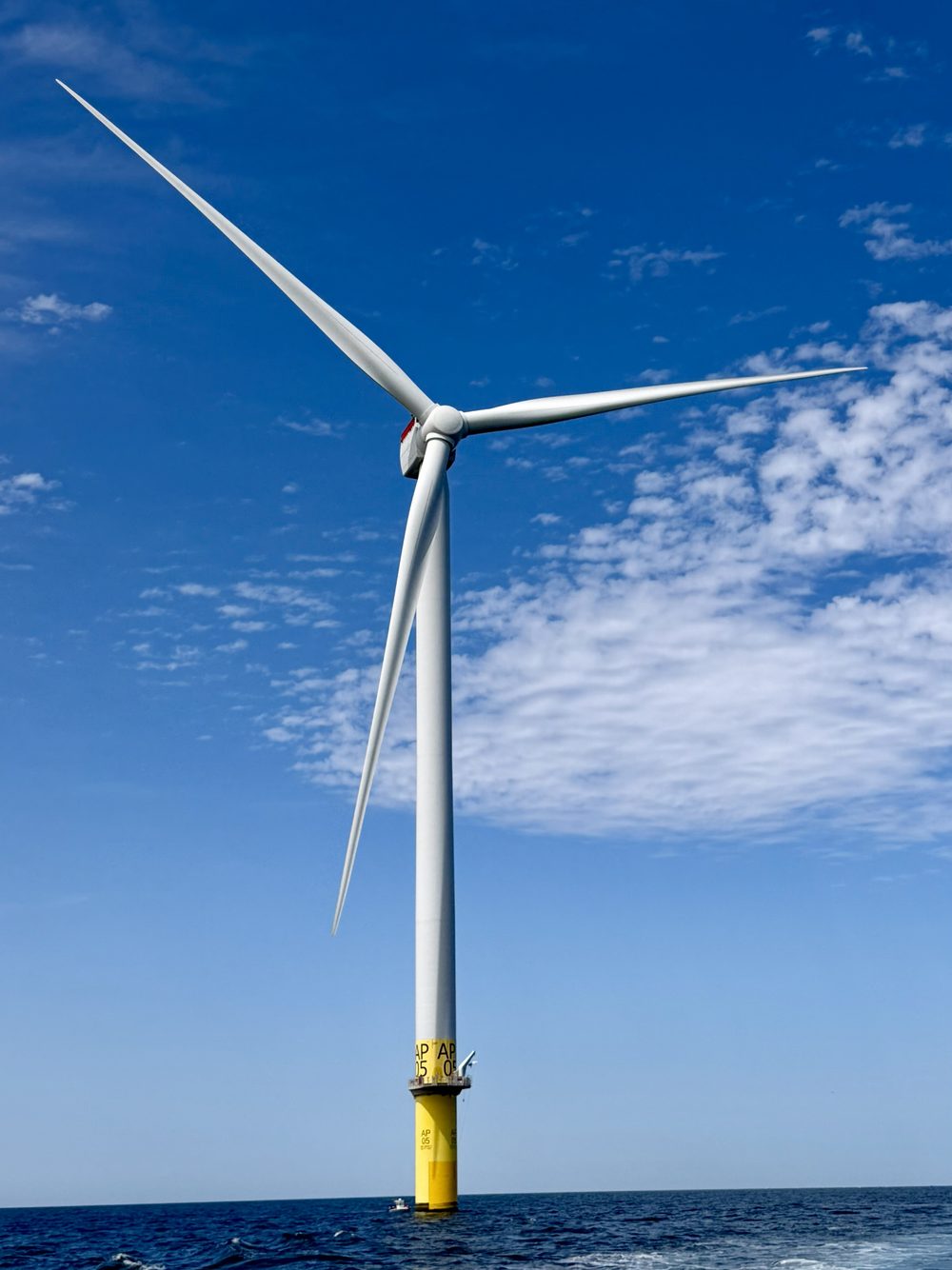
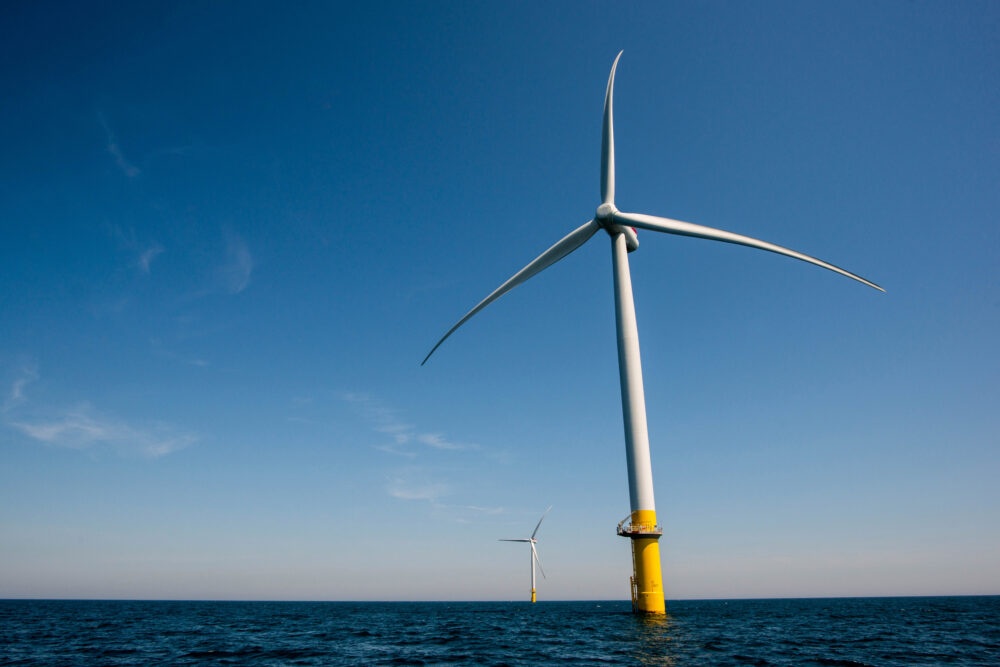
Clean energy infrastructure, from solar panels to electric vehicle batteries to wind turbines, requires more critical minerals to manufacture compared to fossil fuel based infrastructure. According to the International Energy Agency (IEA), an electric vehicle requires six times the amount of minerals in comparison to a gas powered vehicle and an onshore wind farm requires nine times more minerals in comparison to a gas-fired plant. The IEA projects that given the accelerating pace of clean energy uptake, critical mineral demand could potentially triple by 2030.
Although meeting the rising demand for these materials is challenging, deploying clean energy is necessary to lower greenhouse gases, slow climate change, and secure a safe and healthy planet for future generations. According to the World Health Organization, air pollution from residential energy, vehicles, power generation, agriculture/waste incineration, and industry causes 7 million premature deaths annually. This loss of life is not only unacceptable, it is avoidable. Expanding clean energy can improve our health and livelihood by reducing harmful air pollution from fossil fuels.
This fundamental requirement for our clean energy future is even more complex given that the U.S. currently imports the vast majority of these minerals from other countries. Relying on other nations for materials that are so critical to our energy system leaves vulnerabilities if geopolitical conflict or economic uncertainty occur—but the same is true for oil and other imports. Additionally, many of the countries the U.S. imports critical minerals from have lower (or nonexistent) environmental and worker protection standards.
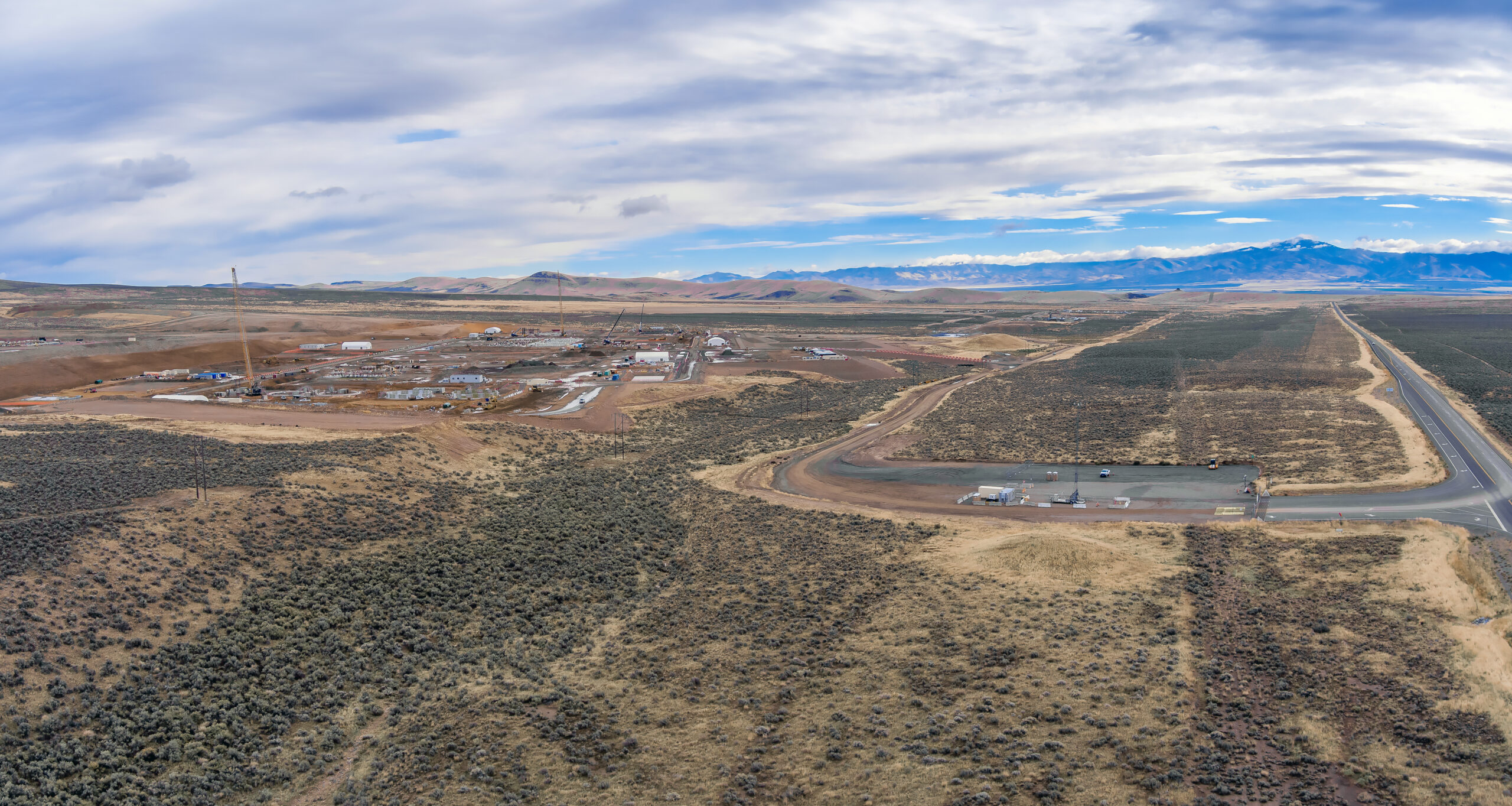
This need for domestically supplied critical minerals is driving a renewed conversation around domestic mining and processing of these minerals. Supplying our own critical minerals could minimize the risk of price volatility and supply interruptions that we may face from internationally sourced minerals. However, many of these minerals have to be mined and processed, or recycled, before they can be turned into something useful.
Mining operations in the United States must be conducted with environmental and social safeguards to protect our lands, waters, and the communities and wildlife populations adjacent to mining sites. If these extraction processes are conducted with proper permitting to ensure wildlife protections and community input, the U.S. would be able to expand clean energy deployment while also providing a variety of new jobs in the mining and mineral processing sectors.
Addressing the supply chain challenges are complicated and challenging, but solving these hard problems is both possible and necessary to slow the impacts of climate change.
Find out more about NWF’s work on critical minerals and clean energy here.
