






We have much more to do and your continued support is needed now more than ever.
Pondering Extinction, Creation, and Endangered Species Day
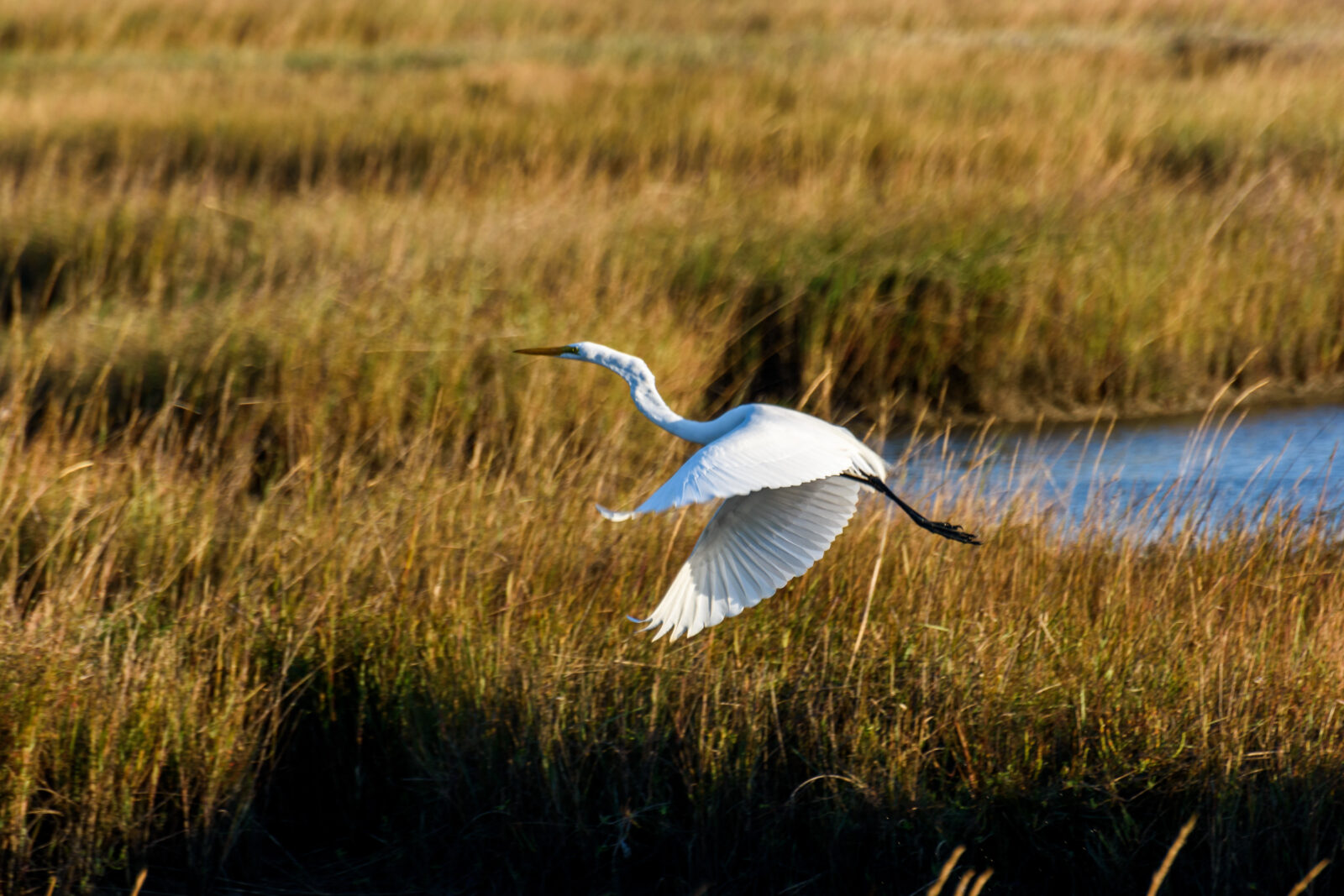
A white heron makes it way through Gulf coastal marshes in Galveston, TX. Credit: Adobe Stock
The Rev. Fred Morris, then the president of the Florida Council of Churches, once observed that losing a species to extinction was akin to “tearing a page from the Book of Genesis.” As a person of faith, I take these words to heart.
One morning this past spring, I pondered this thought while I was out looking for birds and all the magic and joy they bring us. My trusty binoculars hung from my neck. My skill and luck with birding and fishing are about the same, so I am deeply thankful for anything I stumble across.
I was reminded of Matthew 6:26 and its call to “look at the birds of the air.” I know there is a deeper and greater meaning to this passage than simply calling on us to look up and take in the wonder of birds in flight, but I enjoy thinking of it as the birder’s passage.
What struck me, though, was the realization that one day we may indeed look for the birds of the air, and many will be gone. Many of the species that we hold dear will have disappeared into the dark night of extinction from which there is no dawn.
As I observed Endangered Species Day 2026, and contemplated the true meaning of extinction in the context of evolution and natural selection, it was hard not to think of its impact on faith and creation. The moral implications of allowing another species to fall victim to extinction are as profoundly catastrophic as the ecological ones.
I find it hard to differentiate between deep and profound faith and the concept that we have a responsibility to honor and respect, to care for and to cherish creation. The abundance and complexity of the majesty of the natural world is endlessly inspiring. I find inspiration and sustenance of my faith in it, just as I will in Church on Sunday morning. The two threads for me are deeply intertwined.
If you don’t share this view, I respect that completely.
If your passion for conservation is rooted more in a non-faith-based world view then I celebrate your right to follow that path and profoundly appreciate your love of the natural world.

Given the threats the Gulf faces, any ally on the front lines of preservation is a kindred spirit. I seek not to convince you of anything except to continue to advocate for all things wild. I celebrate and appreciate your efforts and hope to join you in solidarity.
I do question the profound hypocrisy of those in power, who lead efforts in Washington D.C. to gut the Endangered Species Act and who speak of their faith and how it guides them, only to recklessly and callously tear creation asunder.
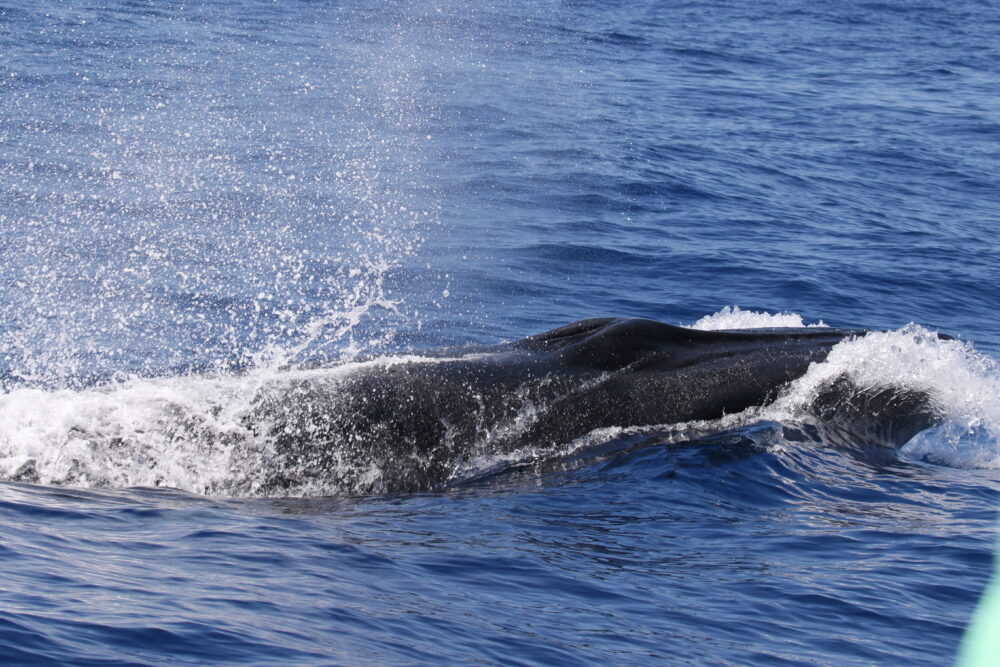
I urge those who would cast the sea turtle, the Rice’s Whale and the other threatened and endangered species in the Gulf into oblivion in the name of oil and gas profits, to consider the moral and theological consequences of their actions.
Can they reconcile their passion for their faith with the wholesale destruction they seek to bring down on creation and the natural world?

Whether you walk the path of dominion or stewardship, there is an inherent responsibility to other species as part of caring for and honoring creation. Extinction at the hands of humanity shows none.
Humanity has assumed the role of being the agents of evolution and extinction. We now decide which species survive or which disappears. That is a greater power than we should have.
But as we have it, we need to be guided by our better angels. We need to adapt to the needs of other species, not selfishly expect them to adapt to ours.
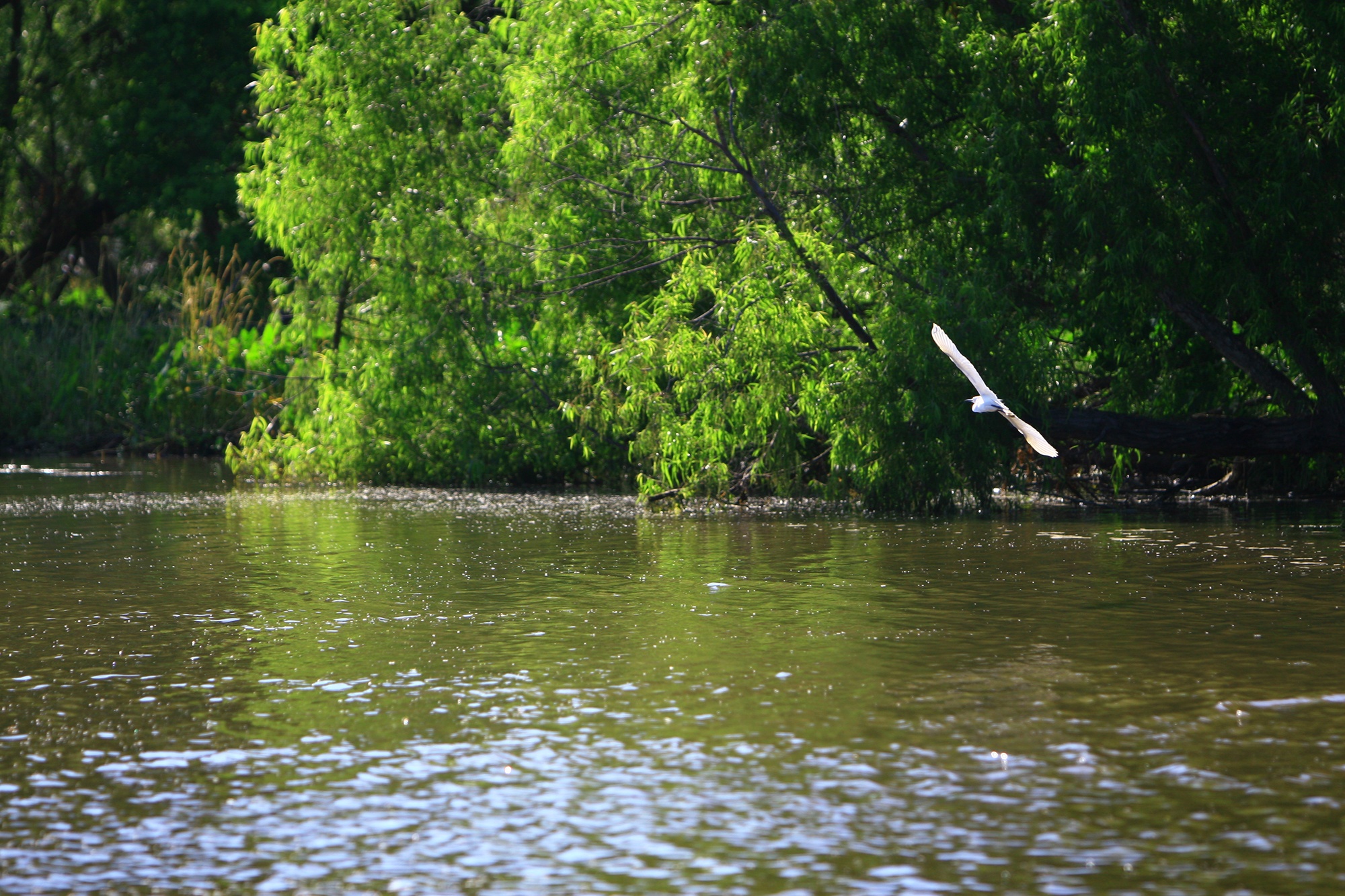
As we ponder the true consequences of extinction and our moral responsibility to those species we have endangered, let us be guided by our higher purpose to seek improvement in the world and a better planet for our children, and for our kindred species.
I choose that as the legacy I hope to leave. I urge you too as well.
And to the leaders who profess adherence to a higher path while endangering the natural world, you must stop. For other species, for our country and as a matter of conscience.
Endangered Species Day 2026 could have been a day of mourning, it could have been a day of remembrance, or a day of reflection. But it can inspire us now to move forward and be a starting point for action and inspire days of recommitment across our great nation to the values of conservation and the commitment to cherish creation.
Joe Murphy is a native and lifelong Floridian who lives in Brooksville, Florida, along the Gulf Coast. Joe is a former Wildlife Policy Specialist with NWF’s Gulf Program. He contributes these blogs to NWF’s Gulf Program as a alumnus and supporter. You can follow Joe on Facebook. Portions of this blog post initially appeared in FAU’s The Invading Sea in an edited and abridged format.
