





We have much more to do and your continued support is needed now more than ever.
On the Anniversary of the Largest Oil Spill in U.S. History, Gulf Wildlife are Again at Risk

A common sight after the spill: oil covering miles and miles of beaches. Cleanup would take years. Credit: Yuki Kokubo
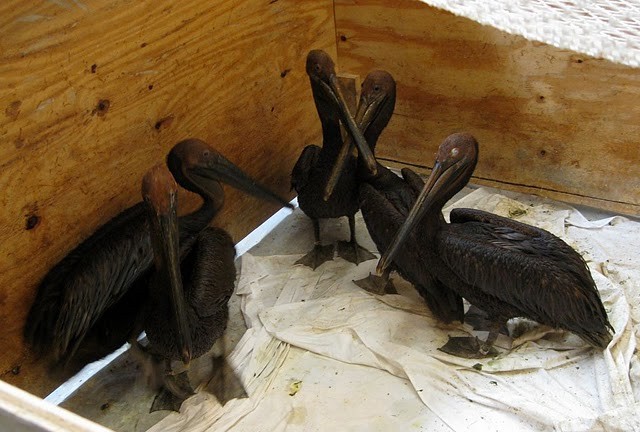
The Gulf Coast in the late spring and early summer of 2010 was unrecognizable. Oil slicks covered miles of open water, tar balls washed on to beaches (where they’d be found for years to come) and pictures of brown pelicans and endangered sea turtles awash in oil covered the front pages of newspapers across the country.
Today, as wildlife continue to recover from the impacts of the Deepwater Horizon disaster, we are witnessing an attempt to rollback critical safeguards that protect Gulf wildlife in the name of faster oil and gas production. Sixteen years after Deepwater Horizon, our leaders seem to have forgotten the lessons learned, but those who experienced the Deepwater Horizon disaster will never forget.
The 2010 Deepwater Horizon oil spill claimed 11 lives, contaminated over 1,300 miles of coastline and impacted countless Gulf species—including endangered Kemp’s Ridley sea turtles and Rice’s whales. For 87 days, over 134 million gallons of crude oil gushed into the Gulf of Mexico.

With the 16th anniversary of the spill on April 20th, these species are at risk once again in the name of expediting oil and gas operations. In late March, the so-called “God Squad,” a seven-member Endangered Species Committee largely made up of cabinet secretaries, unanimously voted to exempt oil and gas development in the Gulf from protections outlined in the Endangered Species Act.
And just earlier this month, the Department of the Interior announced plans to remerge the Bureau of Safety and Environmental Enforcement with the Bureau of Ocean Energy Management in an effort to streamline offshore energy permitting and oversight. The separation of these oversight and leasing functions in 2011 was a lesson learned from Deepwater Horizon, aimed at enhancing environmental protection and improving safety.
The on-the-ground scenes during the oil spill should not ever be forgotten: Brown pelicans coated in oil, dolphins rotting on barrier islands, and juvenile sea turtles struggling to breathe. To make matters worse, many species were breeding at the time, exposing young and vulnerable wildlife to toxins.
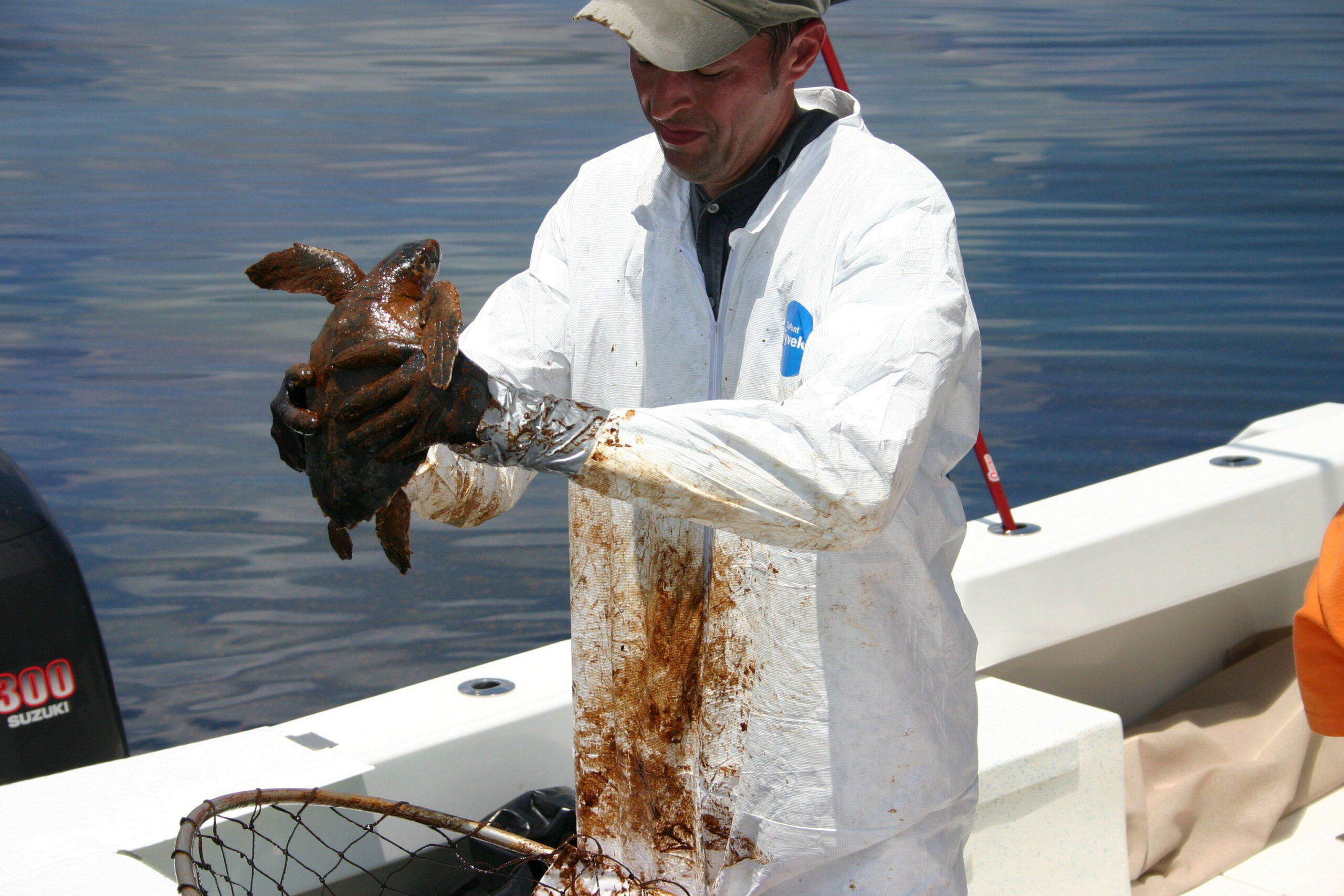
NWF’s Gulf team was on the front lines of the disaster and shared the story of impacts to wildlife and communities.
“Any shoes or clothes that touched the oil had to be thrown away. It is hard to describe the consistency of the crude oil—impossible to get off. And it smothered Gulf wildlife, from nesting birds to small crabs to sea turtles,” said Amanda Moore, NWF’s Gulf Program Senior Director, who was on NWF’s response team during the spill. “Knowing how fragile the ecosystem was even before the spill, it was especially tough to witness. We felt helpless for 87 days and for many months after as those in charge grappled with their response, clearly unprepared.”
On the ground during and after the disaster, the wildlife impacts were heartbreaking. Removed from the endangered species list just before the spill, the oil sent brown pelican numbers plummeting by nearly 12 percent. The population on Queen Bess Island alone, an important pelican rookery, declined by 43 percent between May and June 2010. Oil killed an estimated 20% of nesting female Kemp’s ridley sea turtles. Already part of a small population, Rice’s whale numbers declined by an estimated 22% during the spill. There are only around 50 thought to exist today.
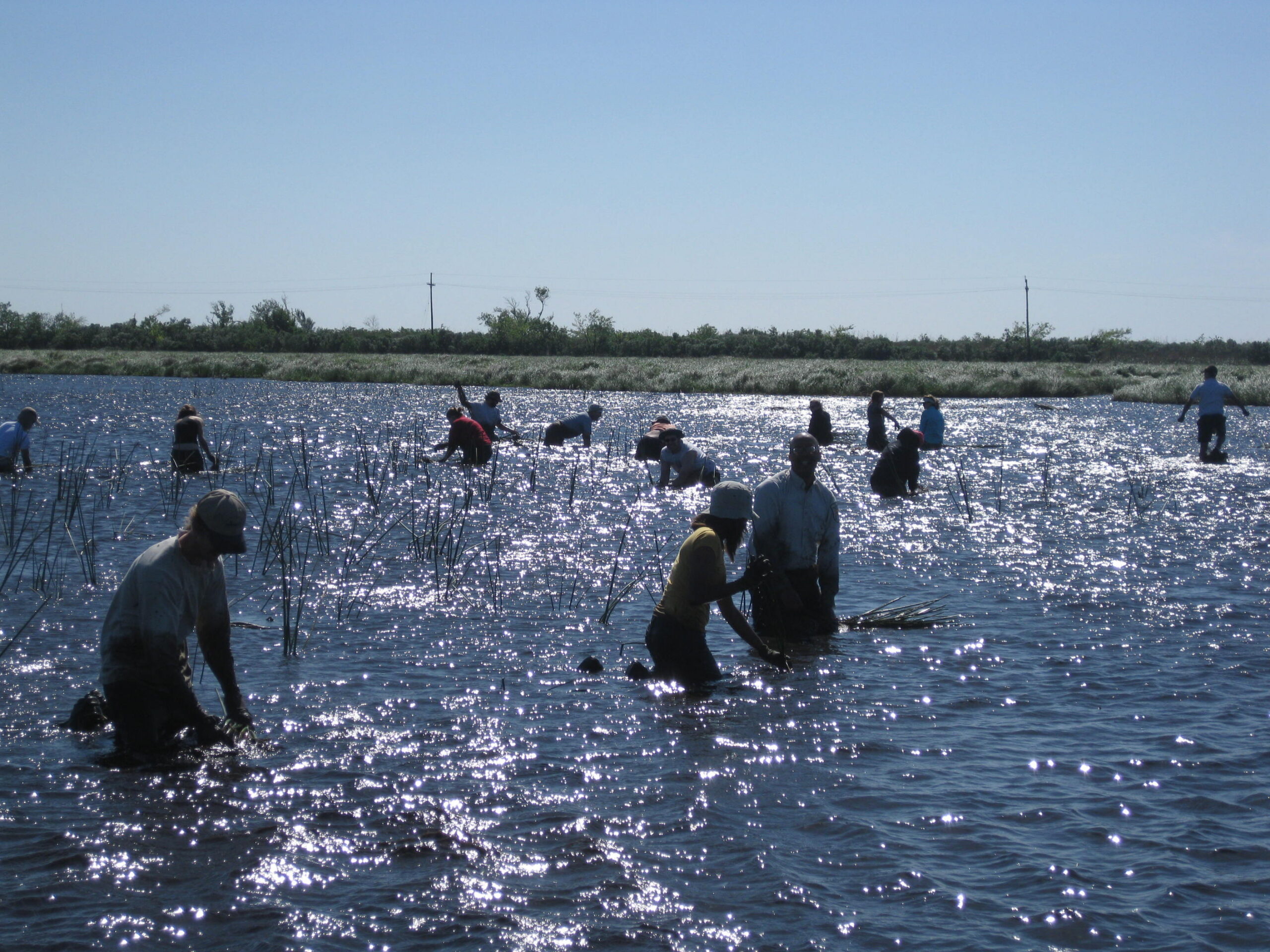
“Fortunately, NWF was able to tell the story of the people and wildlife impacted in real time through firsthand experiences and ultimately helped achieve some accountability for what happened,” said Moore. “Our team and partners were instrumental in the RESTORE Act, ensuring billions of dollars in oil spill penalties were returned to the Gulf for ecosystem restoration and protection. Today, major restoration efforts are moving forward, but Gulf wildlife are still vulnerable.”
The removal of protections for Gulf animals puts species that are still recovering from the spill in harm’s way.
“Safeguards on the oil and gas industry in the Gulf protect the wildlife, people, and economy that depend on a healthy environment,” said Moore. “The harrowing experience of the Deepwater Horizon disaster will never leave those who went through it, and we should strive to do better so we never experience something like that again.”
