






We have much more to do and your continued support is needed now more than ever.
Meet the 2026 Class of NWF Graduate Student Research Fellows
The National Wildlife Federation (NWF) is pleased to introduce the recipients of this year’s graduate student research fellowships.
Each year, NWF Graduate Student Research Fellows support the advancement of NWF Education and Engagement programs through dedicated research projects. This research helps to expand the content and development of a variety of efforts across NWF’s Education and Engagement programs while also providing the student Fellows with the opportunity to develop their research and professional skills.
Meet Natalie Charlson

Natalie Charlson, the 2026 National Wildlife Federation Graduate Student EcoCareers Green Jobs Research Fellow, is a third-year Master of Landscape Architecture student at North Carolina State University, with a Bachelor of Science in Parks, Recreation, and Tourism Sciences from Texas A&M University.
Natalie grew up in Baytown, Texas, surrounded by children due to her parents’ educational careers, spending her life watching how environments shape a child’s confidence, curiosity, and sense of belonging. Her own relationship with nature deepened as a teenager camping along the Frio River at Garner State Park, which set her on a path of public parks and recreation. She is driven by a belief that the natural world is not just a backdrop to childhood, but rather a teacher, which can truly shape who a child becomes.
At NC State, Natalie has worked with the Natural Learning Initiative, researching state and county-wide outdoor learning environment design and development, and nature-based play in early childhood settings and state parks, building hands-on experience translating to real-world design strategies. A consistent thread of curiosity has been implemented into her studio work: How do we design landscapes that invite people back into relationships with natural systems?
Through the EcoCareers Green Jobs Research Fellowship, Natalie will bring her human-centered, design-thinking lens to address a question: what makes a green career feel reachable and real to a young person? Drawing on her own non-traditional career path from parks and recreation to landscape architecture, she will examine how the Career Center can better represent the full spectrum of environmental careers.
Not only the expected science and policy tracks, but design, planning, education, and recreation, along with expanding how pathways are framed to include non-traditional routes such as certificates and trade programs for a broader range of aspiring environmental professionals. She will work to ground the platform’s content in real places, connecting users to local programs and sites that can serve as genuine paths into green careers. Recognizing that young people rarely find their path alone, Natalie will develop resources through a mentorship lens, creating content for educators, caregivers, and mentors who help them see what is possible.
Her long-term goal is to design public landscapes where children and families can play, explore, and grow in connection with the natural world, as she sees this fellowship as a vital bridge between that vision and the young people who will one day build it.
Meet Kelsey Cronin
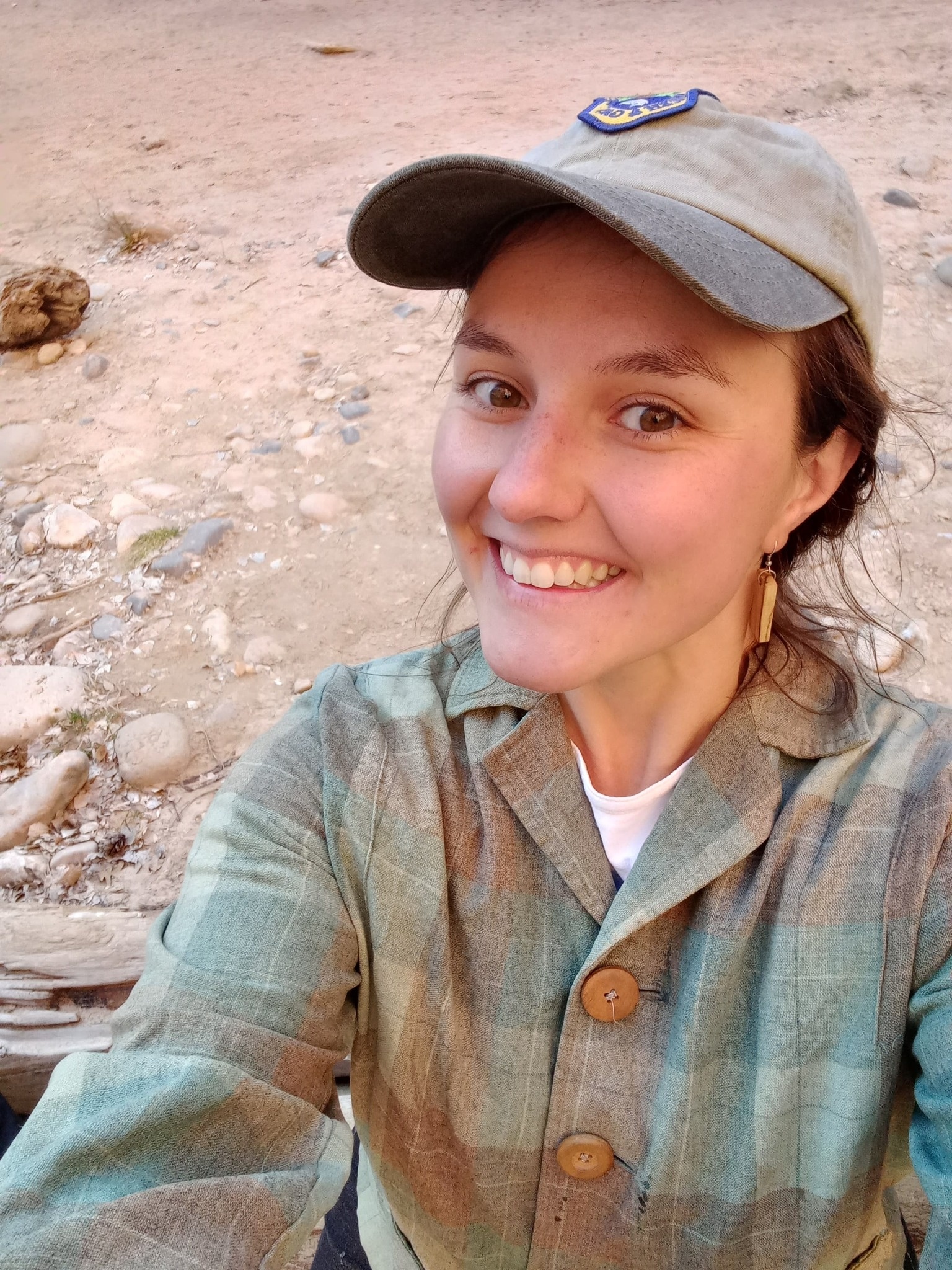
Kelsey Cronin, the 2026 National Wildlife Federation Graduate Student Wildlife Education Research Fellow, is a graduate student studying wildlife population ecology at the University of Montana. Originally from southern Oregon, Kelsey has spent the past decade living and working throughout the mountain West, contributing to a variety of natural resource projects related to wildlife conservation.
Currently, Kelsey’s thesis research focuses on improving understanding of monitoring and management for a sparse, fragmented population of common loons in the Greater Yellowstone Ecosystem. Although loons are an ancient species, modern threats such as climate change, pollution, and ever-increasing human recreation threaten the species’ persistence at the southern edge of its range. Kelsey uses cutting-edge statistical modeling techniques paired with on-the-ground conservation efforts in hopes of bridging the gap between research and applied management.
Kelsey did not grow up in an outdoorsy family and was instead inspired toward a career in nature from enthusiastic teachers, mentors, and a bedroom shelf full of Ranger Ricks. Outside of her research interests, Kelsey is passionate about recruiting and mentoring aspiring biologists, especially from communities historically underrepresented in conservation spaces. “I hope my participation in this fellowship demonstrates how critical it is to remain optimistic and action-oriented in the face of historic conservation setbacks. I am excited not only to sharpen my skills in science communication and outreach, but also contribute to the NWF’s model of long-term, sustained advocacy for wildlife and habitat conservation.”
Meet Anna Vaughn
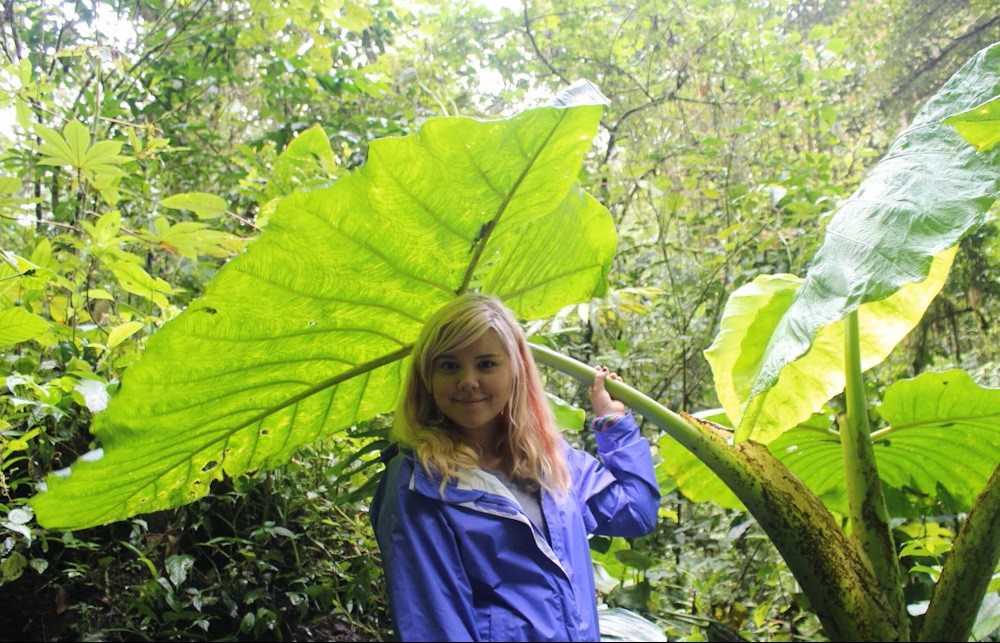
Anna Vaughn, , the 2026 National Wildlife Federation Graduate Student EcoLeaders Research Fellow, is a current Ph.D. student in Earth Sciences and Environmental Sustainability at Northern Arizona University. Anna has always been drawn to understanding the relationship between people, nature, and conservation efforts. Her love of the outdoors, public lands, wildlife, and environmental education has shaped her path toward applied conservation work focusing on protecting ecosystems and priorities supporting the communities who depend on them.
Anna holds an M.S. in Applied Geospatial Sciences from Northern Arizona University, where her thesis examined climate adaptation and land management on the Colorado Plateau. Her graduate work has combined social science, geospatial analysis, natural resource management, and science communication to address complex conservation challenges across the Southwest.
As a current Ph.D. student, Anna’s research focuses on culturally informed ecological restoration efforts, community resilience, climate adaptation, and culturally significant plant species. Her dissertation work examines Western Apache relationships with Emory oak acorn harvesting, examining how access, ecological change, intergenerational knowledge, and land management shape the continuation of this important cultural practice.
Through collaboration with Tribal partners and federal agencies, her work aims to support community-informed conservation and adaptation planning. She is especially interested in conservation efforts that are respectful, collaborative, and useful to communities.
Anna truly admires the National Wildlife Federation’s commitment to advancing science-based solutions that allow wildlife and people to adapt and thrive in a rapidly changing world. She is especially inspired by NWF’s focus on protecting endangered species and threatened landscapes, confronting the climate crisis through collaborative solutions, supporting environmental justice and providing science education tools through the diverse subject material included in the NWF’s EcoLeaders EcoTopic webpages.
Through this opportunity, Anna looks forward to learning more about ecological resilience efforts led by the National Wildlife Federation and affiliate organizations. She is especially excited to build her experience in community engagement and science communication while also helping benefit the organization through academic research and public outreach to encourage conservation action across diverse audiences through working on updating the EcoLeaders Community platform.
Congratulations to our new class of Fellows! These Fellows join a national network of current and alumni fellows, many of whom have gone on to lead new businesses, agencies, and programs for sustainability all across the U.S.
Read their stories and connect with them directly in the NWF EcoLeaders Community.
 Written by Courtney Cochran
