









We have much more to do and your continued support is needed now more than ever.
Wild Kingdom Grant Program Supports Research and Conservation on Campus
U.S. colleges and universities receive support through the 2026 Mutual of Omaha’s Wild Kingdom Grant Program to protect endangered and vulnerable species on campus.
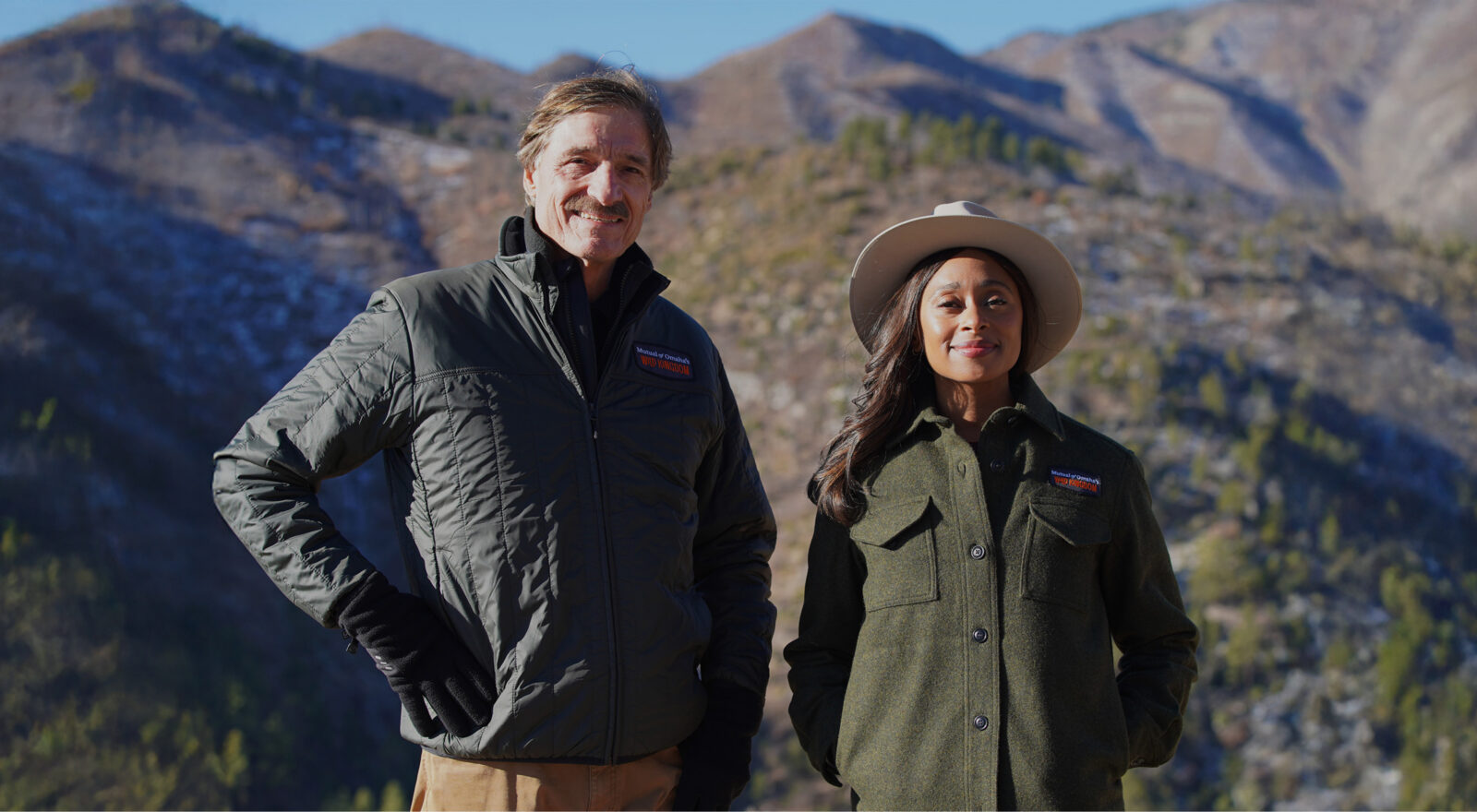
Credit: Mutual of Omaha's Wild Kingdom
Mutual of Omaha’s Wild Kingdom and the National Wildlife Federation continue their partnership to inspire and support the efforts of the next generation of conservation leadership. We are collaborating on a series of grants that support colleges and universities in showcasing and funding innovative, solutions-based programs that help protect threatened and endangered wildlife and their habitats.
We are excited to announce the recipients of the 2026 Wild Kingdom grant awards: California State University Sacramento, Fort Valley State University (Georgia), Massasoit Community College (Massachusetts), Thomas More University (Kentucky), the University of Mississippi, the University of Nebraska-Lincoln, The University of Texas at El Paso, and West Virginia University.
Read the grant project summaries below.
California State University, Sacramento

California State University (CSU) Sacramento, better known as Sac State, is located along the American River and is the only public university in the capital of California (the fourth-largest economy in the world). Sac State has grown to the sixth-largest campus in the CSU system and is one of the region’s leading centers of research, innovation, and community engagement.
Sac State is a proud federally recognized Hispanic-Serving Institution and Asian American Native American Pacific Islander-Serving Institution, as well as a California State Assembly recognized Black-Serving Institution.
Through the support of the Wild Kingdom grant program, Sac State will conduct research to improve conservation strategies for wildlife species affected by environmental change, particularly those living in close association with human infrastructure. This project will focus on the Mexican free-tailed bat (Tadarida brasiliensis), a species that forms large colonies throughout California’s Central Valley and frequently roosts in bridges and buildings.
These anthropogenic structures create opportunities for human-wildlife coexistence but may also expose bats to dangerous thermal conditions during extreme heat events. By studying how bats regulate body temperature during heat waves, this project aims to generate data that can guide wildlife-friendly infrastructure design and improve conservation outcomes for this important species.
Fort Valley State University, Georgia

Located in the heart of Georgia, Fort Valley State University occupies the second-largest acreage of any Georgia university and is the only university in the world that is simultaneously a University System of Georgia institution, a historically black university, and an 1890 land-grant institution.
Through the support of the Wild Kingdom grant program, Fort Valley will help restore 100 acres of longleaf pine forest (Pinus palustris) on campus property. The longleaf pine ecosystem—once spanning 90 million acres stretching from Virginia to Texas—is crucial to the Southeast, but human activity has caused a drastic decline in acreage.
The restoration will aid in the recovery of native species around the university and serve as an educational forest for both students and landowners and will ultimately provide a healthy habitat for people and wildlife. This project will not only provide an outdoor classroom for students but will also cultivate a deeper bond between students and the invaluable forests, fostering a sense of stewardship and connection to the natural world.
Massasoit Community College, Massachusetts
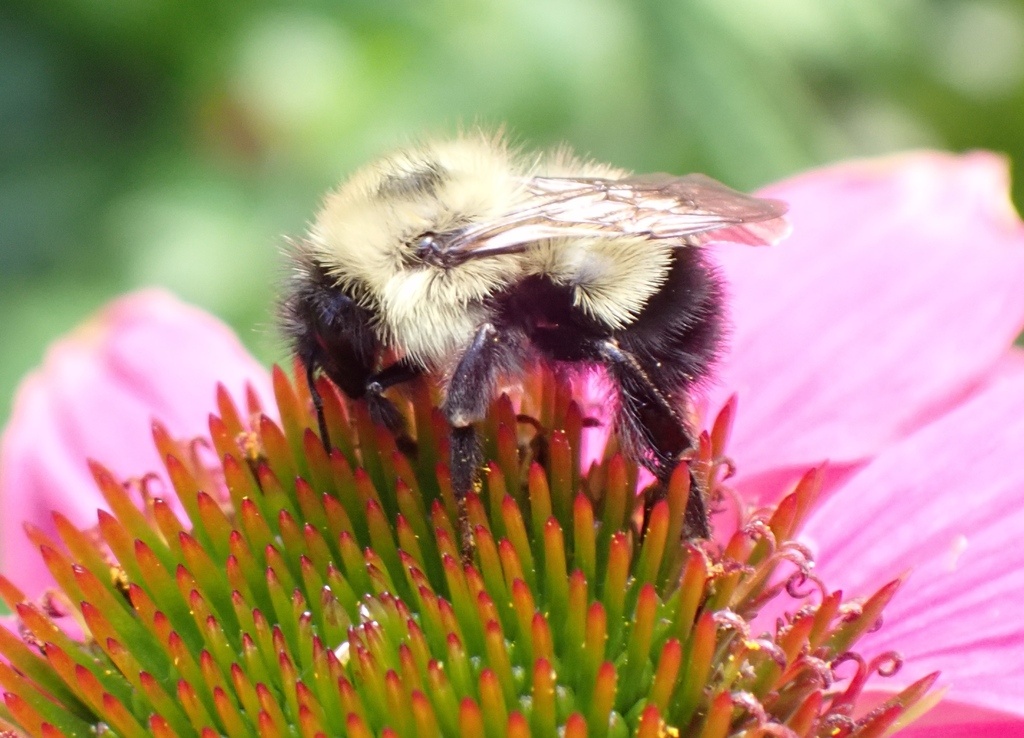
Massasoit Community College is a public institution in Brockton, Massachusetts. The Massasoit Pollinator Monitoring Project has monitored wild bee populations at six campus study sites on a bi-weekly schedule for the past ten years.
The program has collected, preserved, and identified approximately 23,000 bee specimens, creating a robust long-term dataset on pollinator diversity and abundance in an urban campus ecosystem. Because the proposed native meadow restoration will occur adjacent to one of these established monitoring sites, this new project benefits from an existing quantitative framework to measure ecological outcomes.
Through the support of the Wild Kingdom grant program, Massasoit will restore and revitalize a native habitat meadow located on its Brockton campus by increasing the diversity and abundance of native plants, shrubs, and trees while removing invasive non-native species.
The meadow is home to the half-black bumble bee (Bombus vagans), a bumble bee species experiencing regional population decline in northeastern North America, and the Carlin’s mining bee (Andrena carlini), a ground-nesting bee whose status has shifted over time according to historical museum records.
Meadow restoration will involve the introduction and expansion of populations including several regionally significant and threatened native plants, such as Nantucket shadbush (Amelanchier nantucketensis), mayflower (Epigaea repens), and wild senna (Senna hebecarpa).
Thomas More University, Kentucky
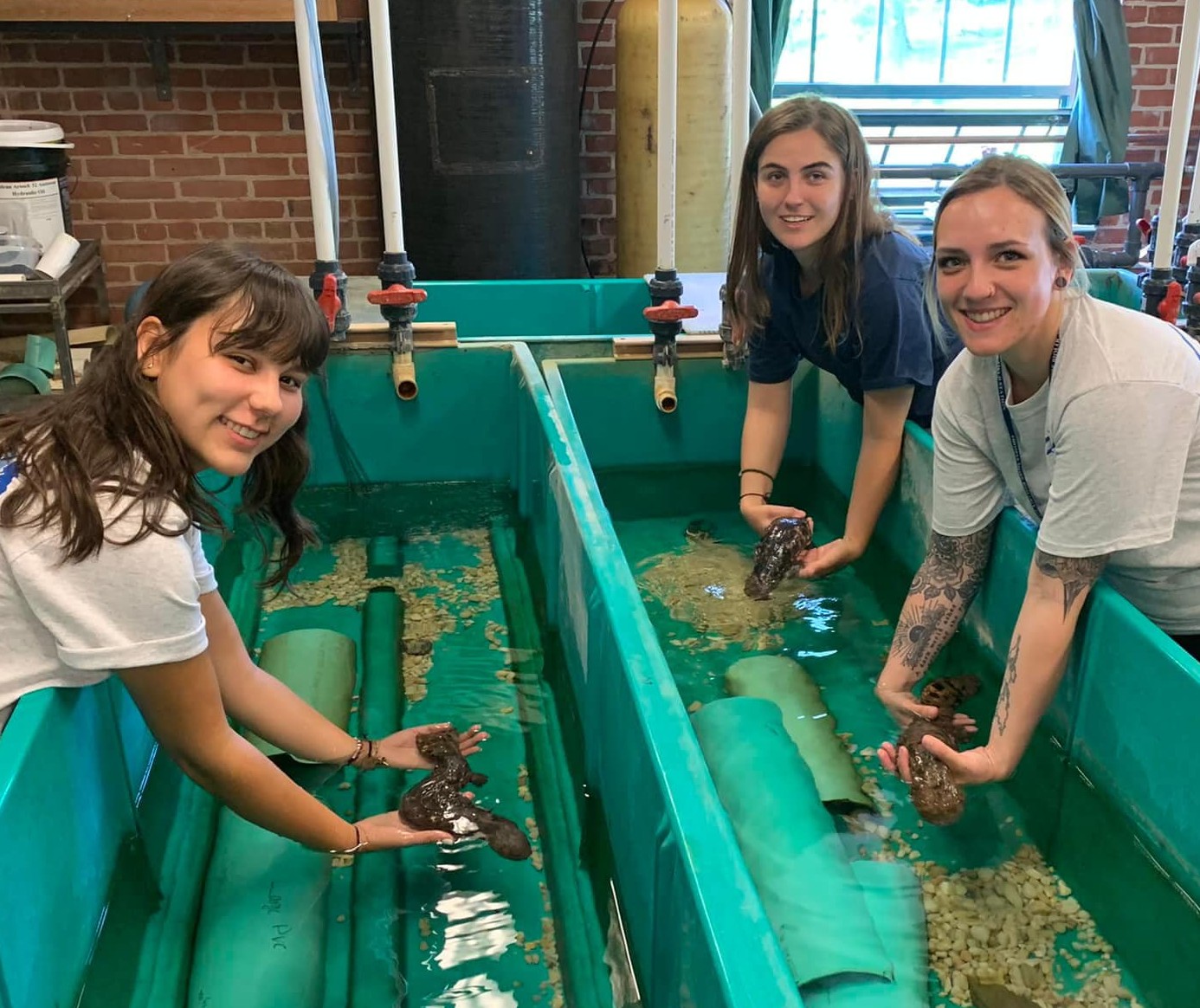
Thomas More University is a Catholic liberal arts university of the Diocese of Covington, Kentucky, located 25 minutes from Cincinnati, Ohio. Thomas More’s project will expand their current conservation work focused on the Eastern hellbender (Cryptobranchus alleganiensis alleganiensis), North America’s largest salamander.
This species has declined significantly throughout the species range, and the U.S. Fish and Wildlife Service announced in December 2024 a proposal to list the eastern hellbender as endangered under the Endangered Species Act.
Through the support of the Wild Kingdom grant program, Thomas More will upgrade an existing facility at the campus’s biology field station to allow for needed experimentation and research and to support the entire lifecycle of hellbenders from egg to adult. The expanded laboratory space will house more hellbenders than is currently possible and include five systems for holding hellbenders: large raceways, smaller ancillary tanks, a quarantine tank, a display tank, and two hatcheries.
The revamped facility will monitor conductivity, dissolved oxygen, water flow, pH, temperature, and other physiochemical parameters with conventional probes and novel sensors enabling the evaluation of the performance of such instrumentation.
These proposed upgrades will increase the station’s capability to test various experimental designs, manipulate a variety of parameters, refine husbandry methods, and derive recommendations that will be adopted by facilities across the 15-state network of hellbender working groups.
University of Mississippi
The University of Mississippi, better known as Ole Miss, is located in Oxford, Mississippi. Ole Miss is a large campus, spanning 3,400 acres that include “The Grove”, a 10-acre grassy area dotted with hundreds of oak, elm, and maple trees.
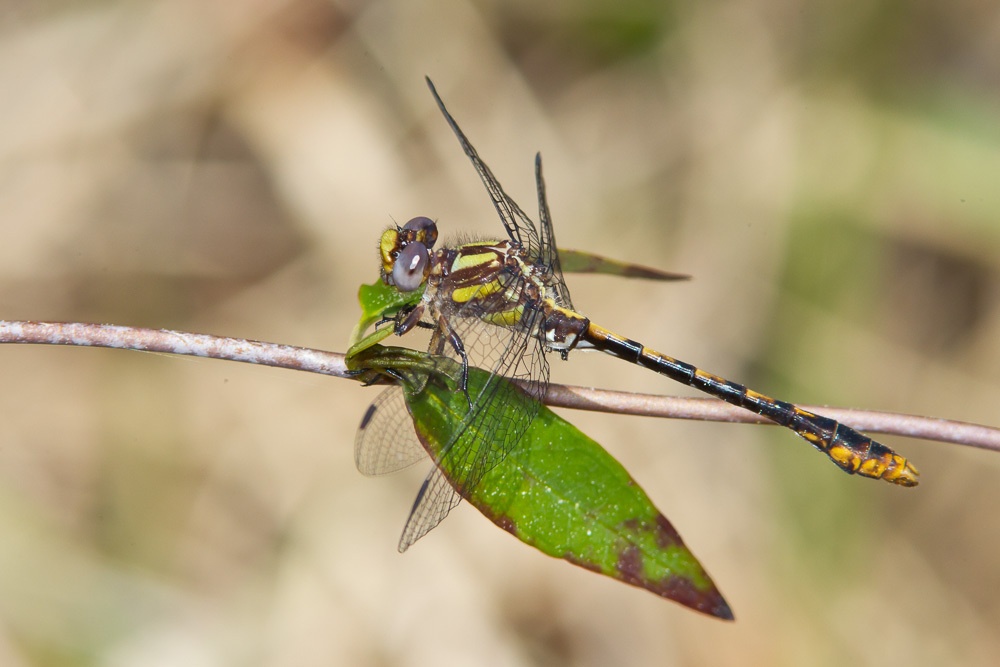
With the support from the Wild Kingdom grant program, Ole Miss will create and demonstrate the conservation and public health value of aquatic odonate (dragonflies and damselflies) habitat in urban environments, specifically the endangered southern snaketail dragonfly (Ophiogomphus australis).
The campus will use research-informed best practices to create a demonstration aquatic habitat on campus that is ecologically balanced and self-regulating in order to attract and rear odonate species throughout their life cycle. The university aims to attract both common and threatened dragonflies and damselflies, as well as a host of other beneficial species, such as amphibians, birds, and reptiles.
Ole Miss will monitor the created habitat along with unmodified control sites on campus, as well as at a natural pond site at their UM Field Station over several months to assess the wildlife and community benefits of the newly created habitat, including potential impact on local mosquito populations. Dragonflies are valuable sentinel taxa for water and ecological quality, as well as premier predators of invertebrate pest species such as mosquitoes.
University of Nebraska-Lincoln

The University of Nebraska–Lincoln (UNL) is a land-grant university with grounds spanning 861 acres. The campus is divided into City Campus and East Campus, the latter hosting the 5-acre Maxwell Arboretum. The campus serves as a comprehensive arboretum, highlighting regional native plants and trees.
Through support from the Wild Kingdom grant program, UNL will focus its conservation efforts on the southern flying squirrel (Glaucomys volans) on the East Campus; the flying squirrel is listed as threatened in Nebraska. UNL will conduct a habitat-focused tree inventory and canopy assessment to identify mature tree resources, connectivity gaps, and areas with high potential for nesting and movement.
Because southern flying squirrels depend heavily on mature deciduous tree habitat, especially for food resources and cavities or other protected nesting sites, campus tree condition and spatial arrangement are central to their conservation. Additionally, UNL will install and monitor nest boxes in locations identified through the habitat assessment and prior local observations.
The campus will also involve students and campus partners through guided field activities, citizen science, and educational outreach to increase awareness of urban wildlife habitat needs and the importance of retaining and managing mature trees in ways that support biodiversity.
The University of Texas at El Paso
The University of Texas at El Paso (UTEP) is a Hispanic-Serving Institution located along the Rio Grande and directly within the northern portion of the Chihuahuan Desert at the westernmost tip of Texas.
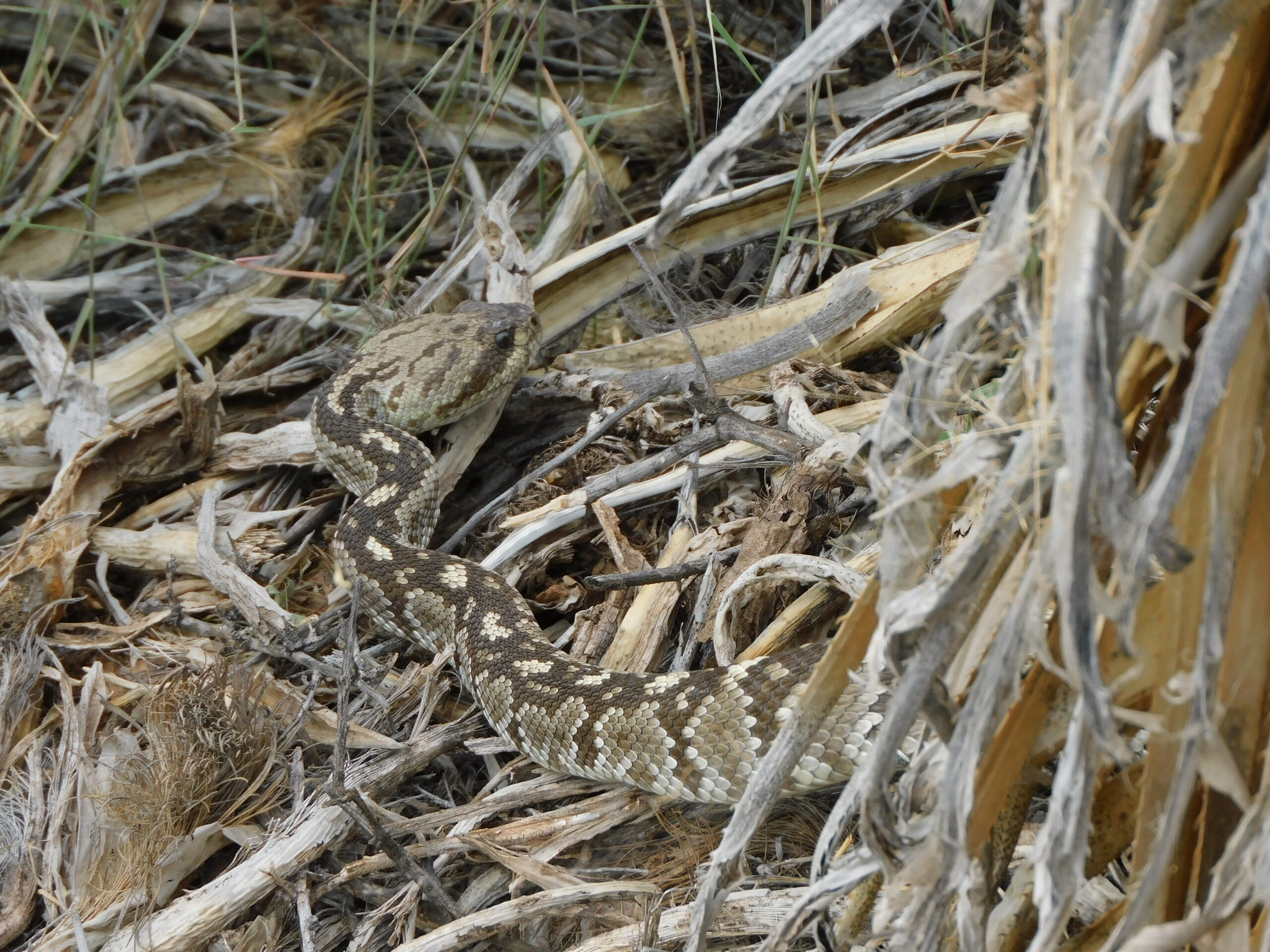
UTEP’s project will investigate how environmental conditions and human disturbance influence the physiology and movement behavior of the eastern black-tailed rattlesnake (Crotalus ornatus) in Franklin Mountains State Park, an urban desert park in El Paso and the largest urban park in the U.S.
In 2025, UTEP successfully deployed biologging sensors on overwintering rattlesnakes in the park that continuously recorded heart rates and body temperatures. This has yielded exciting new questions and insights into how these reptiles’ physiology fluctuates seasonally.
Through the support of the Wild Kingdom grant program, the university will use additional novel GPS trackers and mobile relay gateway stations in the field, with the goal of providing insight into seasonal fine-scaled snakes’ movement and the effect of roads (disturbance) snakes in a protected urban park in the Chihuahuan Desert.
The following strategies will be implemented as part of this grant project: deployment of biologging sensors to monitor physiological bio-markers (heart rate and body temperatures) in free-ranging rattlesnakes across seasons; tracking fine-scale movements in rattlesnakes using miniature GPS trackers to quantify microhabitat use, daily movement patterns, and spatial behavior; setting up mobile gateway relay stations for GPS data retrieval; and studying the influence of environmental conditions and human disturbance (e.g. trails and roads) for measuring human activity levels and inform park managers in strategies to reduce human-snake conflict.
West Virginia University
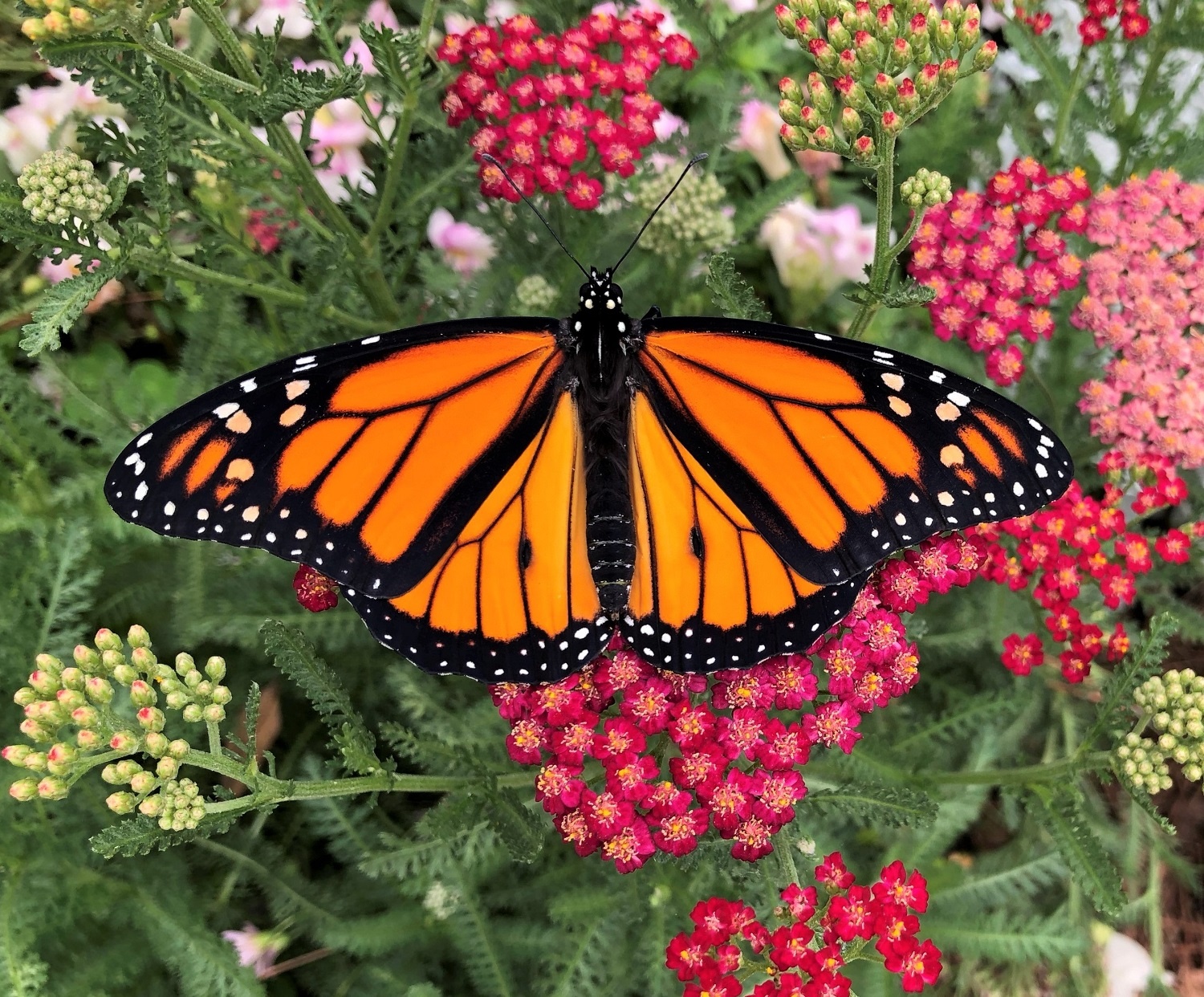
West Virginia University (WVU) is a public land-grant research university located in Morgantown. WVU has a sustainable landscapes committee made up of faculty, staff and students, with a goal of managing the campus’ 900 acres of land more sustainably including protecting and enhancing pollinator habitat.
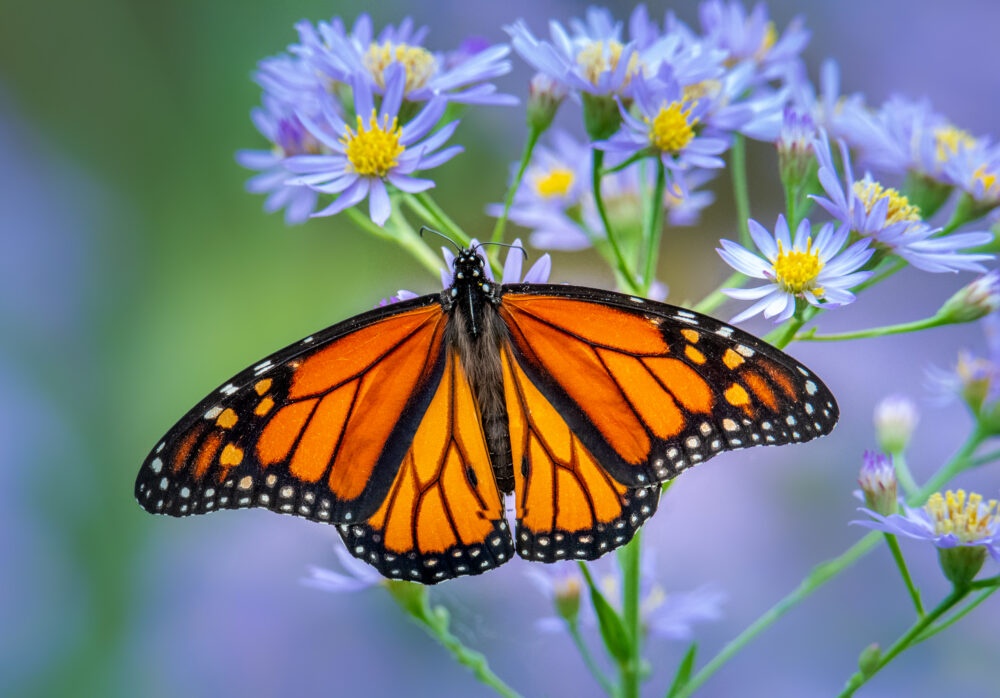
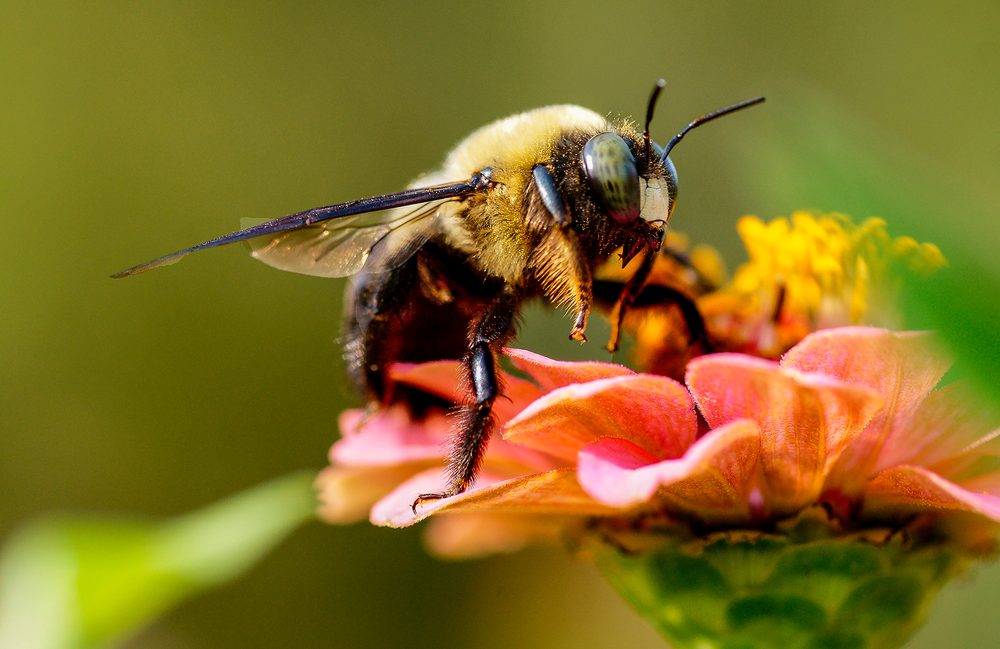
With support of the Wild Kingdom grant program, WVU will create a new habitat that is friendly to both the monarch butterfly (Danaus Plexippus) and the rusty-patched bumble bee (Bombus affinis), which is a federally endangered species, protected under the Endangered Species Act.
WVU will overhaul an existing green roof that currently features overgrown plant vegetation. This existing structure is about 3,900 square feet with full sun and is in a very visible part of campus near the main entrance of the agricultural sciences building. The plant material chosen for this new pollinator habitat will include native species such as heath and aromatic asters and lanceleaf to attract bees and butterflies.
The plants have a variety of bloom periods—including early spring and late fall—to extend the foraging season for insects. This student-led planting will help WVU continue to advance its pollinator conservation efforts; the campus’s first pollinator plot was installed in 2022 and their second plot in 2023. In addition to the planting, the final piece of this project will be student-led crowdsourcing surveys of species using the iNaturalist web tool, pre- and post-garden installation.
Read about the 2025 grant recipients, Colleges & Universities Protect Vulnerable & Endangered Species. Read about the 2024 grant recipients, Wild Kingdom Grant Awardees
About Mutual of Omaha’s Wild Kingdom
Since its network television premiered in 1963, Mutual of Omaha’s Wild Kingdom has been one of the most loved and respected wildlife programs in television history. The Daytime Emmy® nominated Mutual of Omaha’s Wild Kingdom Protecting the Wild, now airing weekends on NBC’s “The More You Know” time block, celebrates stories of conservation success, including the great work of caring, compassionate experts and how they are making a positive impact on the Wild Kingdom. For more information about Mutual of Omaha’s Wild Kingdom, visit their website.
About National Wildlife Federation
Founded in 1936, the National Wildlife Federation is America’s largest and most trusted grassroots conservation organization with 52 state and territorial affiliates and more than six million members and supporters, including hunters, anglers, gardeners, birders, hikers, campers, paddlers, educators, and outdoor enthusiasts of all stripes.
 Written by Kristy Jones
