

















We have much more to do and your continued support is needed now more than ever.
Go Plastic Free This July
Summer is here, and we are all on the go. We are headed to the beach to visit family and friends, going out into nature on a camping trip, and the list goes on. This means we reach for the easy and convenient options as we head out the door, pack our bags and cars for long rides, or head out to that picnic in the park. The prepackaged snacks, the travel-size toiletries, that plastic to-go container from our favorite restaurant.
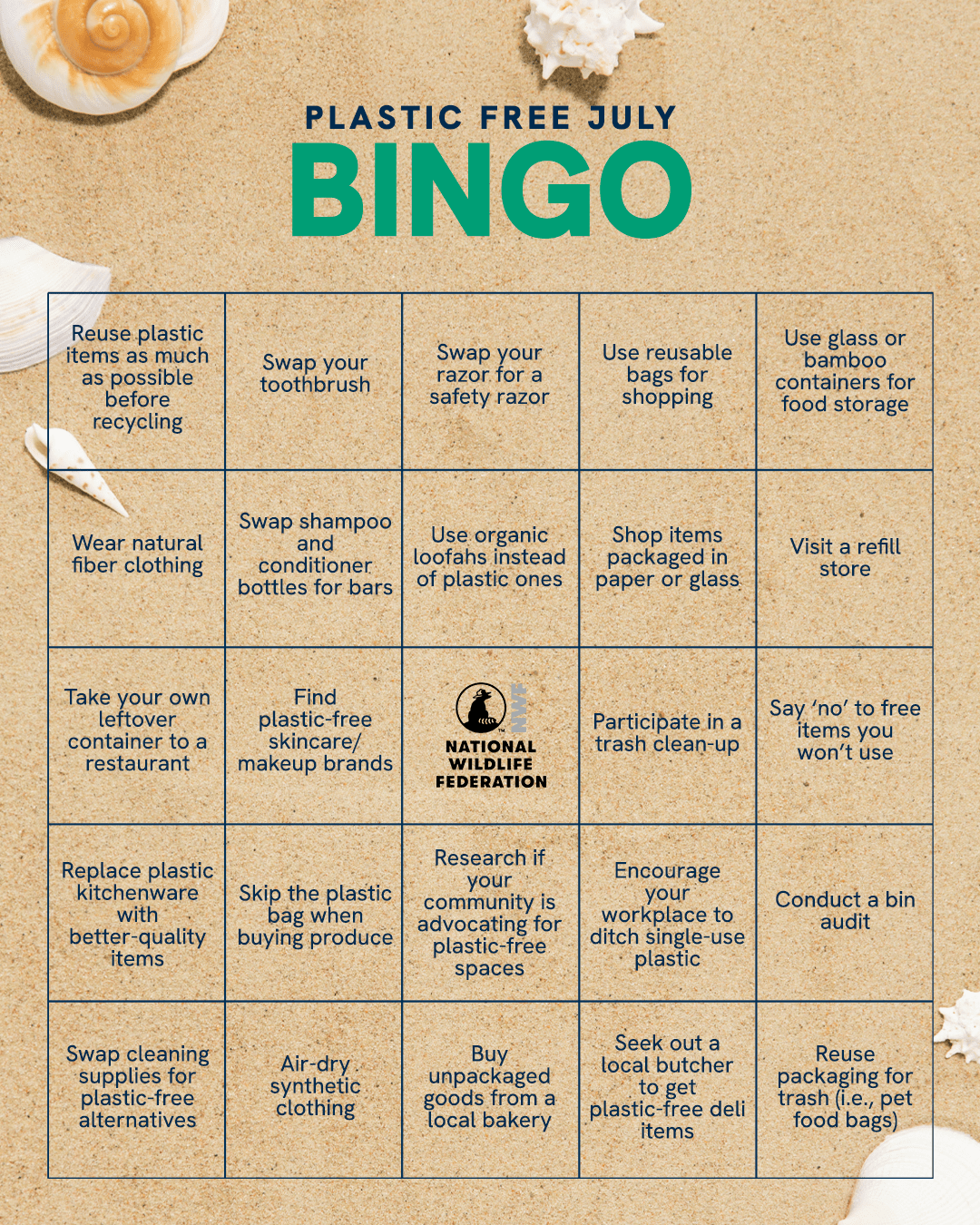
Summer doesn’t mean we need to neglect nature to have fun in the sun. It just takes a few moments from time to time to stop and consider if there is a better option out there. That is why we created the Plastic Free July Bingo Card. Print this card and make strides to do better for yourself and the planet this year. Don’t fret if you can’t get a bingo by the end of July. Just keep working on it ’til you finally get it, then aim for a total blackout!
Let’s talk more about some swaps you can do this year
Say “no” to free items you won’t use.
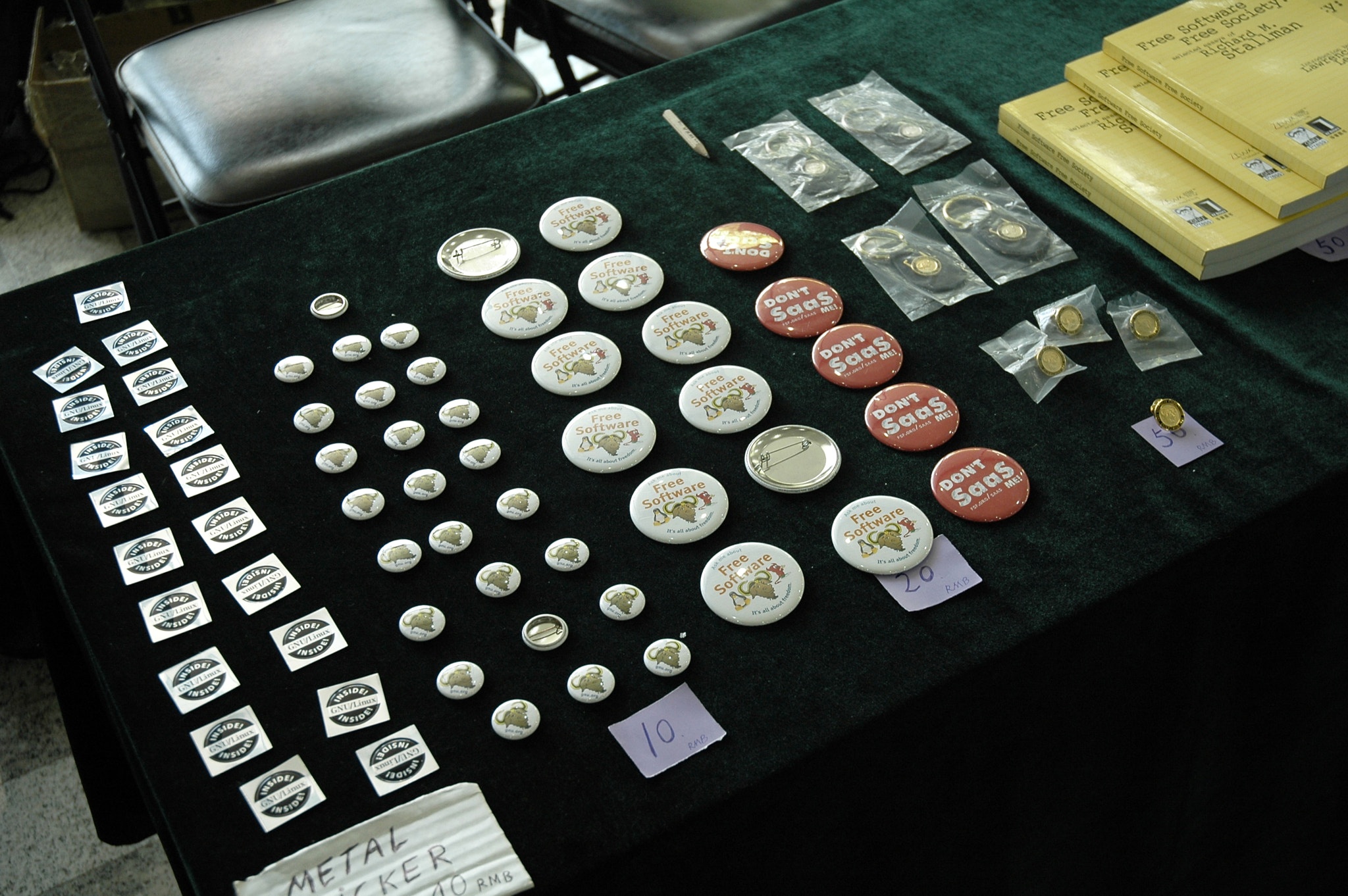
We have all been there before. You are at a festival or event, checking out vendors. You are offered stickers, water bottles, beer koozies, hats, and keychains as free marketing swag. It’s okay to say yes to these things IF and only IF you will use them.
However, if you have 20 water bottles in your cabinet at home, you might want to consider skipping out on this item going forward. If the item is going to end up in the trash or in a donate pile, it’s probably safe to say “no” to those items as well.
Air-Dry Synthetic Clothing
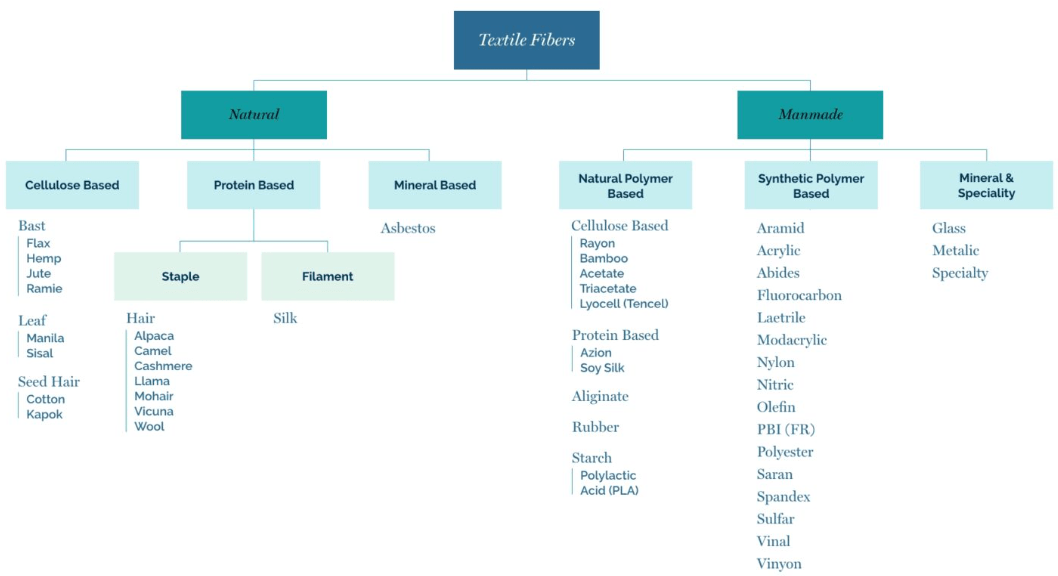
Why would I want to air-dry my clothing when I have a dryer? Well, let’s start with what synthetic clothing is. It’s anything not made from organic materials, such as cotton, linen, silk, or wool.
Synthetic fibers include polyester, nylon, acrylic, and rayon, and are typically made from fossil fuel-based chemicals, or, as we colloquially call them, plastics. When these fibers heat up in the dryer, the fabric starts to break down, releasing microplastics into the environment.
Now, you may be thinking, well, wouldn’t this happen on a hot wash too? Yes, but we are in the mindset that the most environmentally friendly purchase you can make is the one you didn’t make, so we will not be encouraging you to ditch all synthetic clothing to go out and buy all new, natural clothing. Wear what you have, but use a new lens going forward. Take care of your clothing so it lasts longer.
Skipping the dryer prevents the clothing from breaking down faster. Repair clothing where possible, then either upcycle it or ethically offload or recycle it.
Purchase Unpackaged Products

What if I told you that the tomato you were buying didn’t need to go in that single-use plastic bag? You can keep your fruits and veggies naked, free to roll around as they please (this is how I do it!), or you can get your own reusable cloth bags to put them in.
“Hey, what about things like meat or bread? Those have to come packaged!”
Actually, they don’t. Well, not in plastic. Meat can be purchased from a local butcher and wrapped in freezer paper (make sure it’s actually plastic-free). Food can also be frozen in glass jars (careful not to fill too tightly), beeswax, stainless steel, and many other container options.
To get bread and other pastries, go out and find a local bakery that makes what you are looking for and will box or wrap the items in paper or cardboard. Not only does this cut down packaging waste, but it also reduces your carbon footprint by buying things locally made and keeps your money in your local economy instead of going to big-box stores.
The Plastic You Just Can’t Avoid

It’s not the end of the world if there is just something you have to have, whether it’s your favorite food or your dog’s favorite food. Here is where we get to problem-solving. Can it be recycled or reused? Packaging can be reused as trash bags. We love to see a 20 LBS dog food bag reused to collect other trash. If it’s too small to be used as a trash bag, find the best way to recycle it or upcycle it. Researching if a facility in your local community will take it or looking online for services like Terracycle or Ridwell.
Conduct A Waste Audit
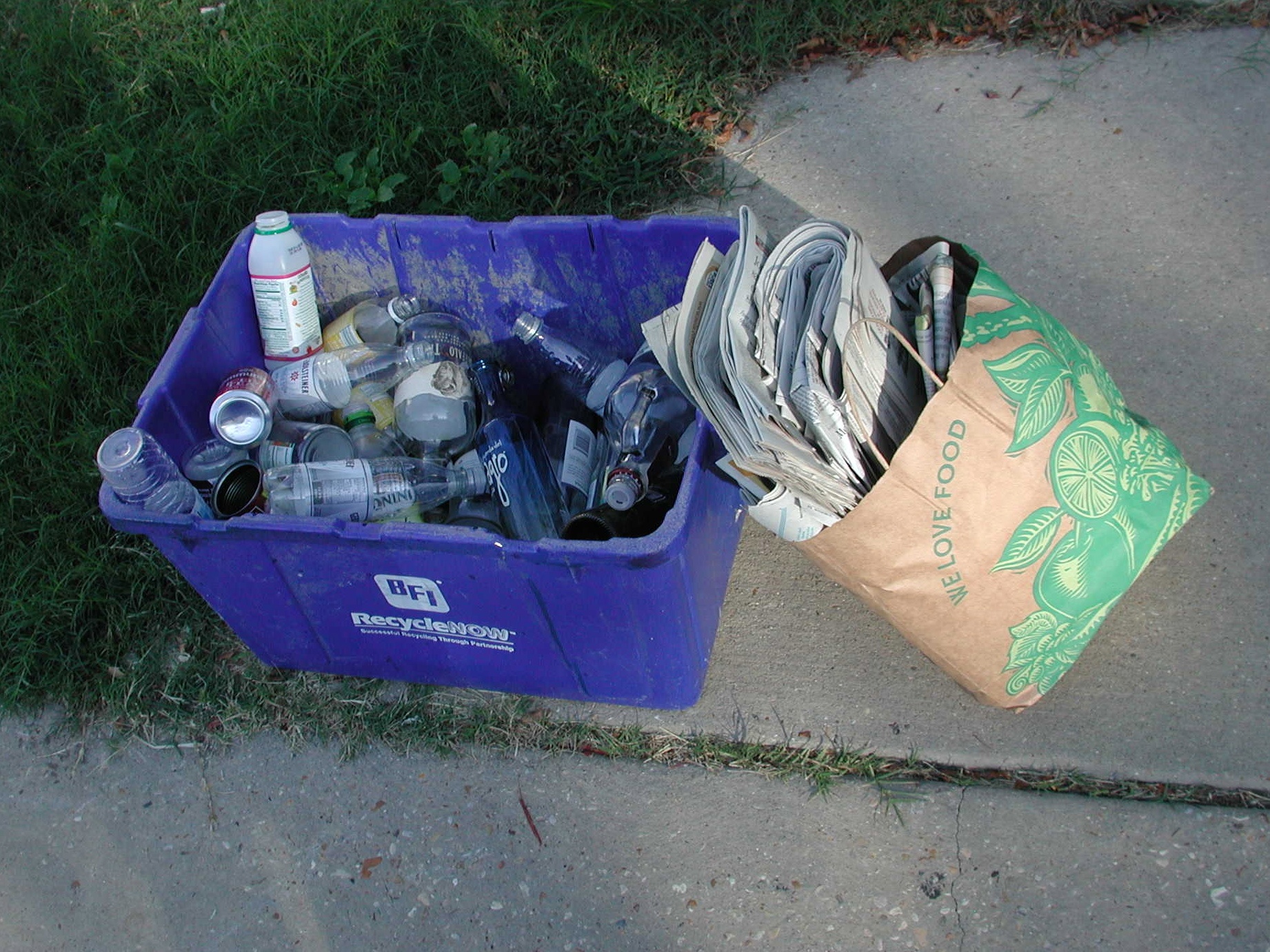
No time better than the present to dive through your own trash. Select a time frame when you aren’t hosting or having a party. Collect all your waste in a designated area. Wash anything that will become smelly or attract little crawling insects. After the designated time frame, conduct a study of what you have thrown out and set some goals on how to reduce your findings.
You can learn more about a waste audit here at plasticfreejuly.org.
Plasticfreejuly.org will also provide you with more ways to reduce your plastic waste. Reducing our plastic waste helps the environment by not only ensuring it’s pristine, but it also prevents plastic from being ingested by wildlife, where injury and death are common outcomes when they interact with plastic. Plastic is also a known hormone disruptor, which can and does affect wildlife and humans.
To read more about the effects of plastic on wildlife, read our blog, Plastic Summer.
To learn more about lowering your waste, consider following Kathryn Kellogg @going.zero.waste, author of 101 Ways to Go Zero Waste, and Ashlee Piper @ashleepiper, author of Give A Sh*t: Do good. Live better. Save the planet, who are among many outstanding humans, trying to show the world easier and simpler ways to decrease waste.
 Written by Samantha Hurst