




We have much more to do and your continued support is needed now more than ever.
What Drought Reveals About Our Changing Climate
Droughts are becoming longer-lasting, more intense, and increasingly interconnected with other extreme weather across the United States.
As of May 2026, more than half the country had experienced drought this year, making it the worst spring drought recorded in decades. Unfortunately, these drought conditions have been increasing for years. From 2020 to early 2023, more than 40 percent of the continental United States remained under some level of drought for extended periods. By comparison, between 1895 and 2010, only about 14 percent of the country experienced major drought in a given year, with the Dust Bowl remaining the most severe drought and heat disaster in modern U.S. history.
Drought occurs when an area experiences below-average precipitation over an extended period of time. Some droughts develop slowly over months or even years, while others, known as “flash droughts,” emerge rapidly when extreme heat and low rainfall quickly dry out soils and vegetation. Although drought is a natural climate phenomenon, climate change is amplifying its severity and reshaping how it affects communities, wildlife, and ecosystems.
Drought Across the Nation
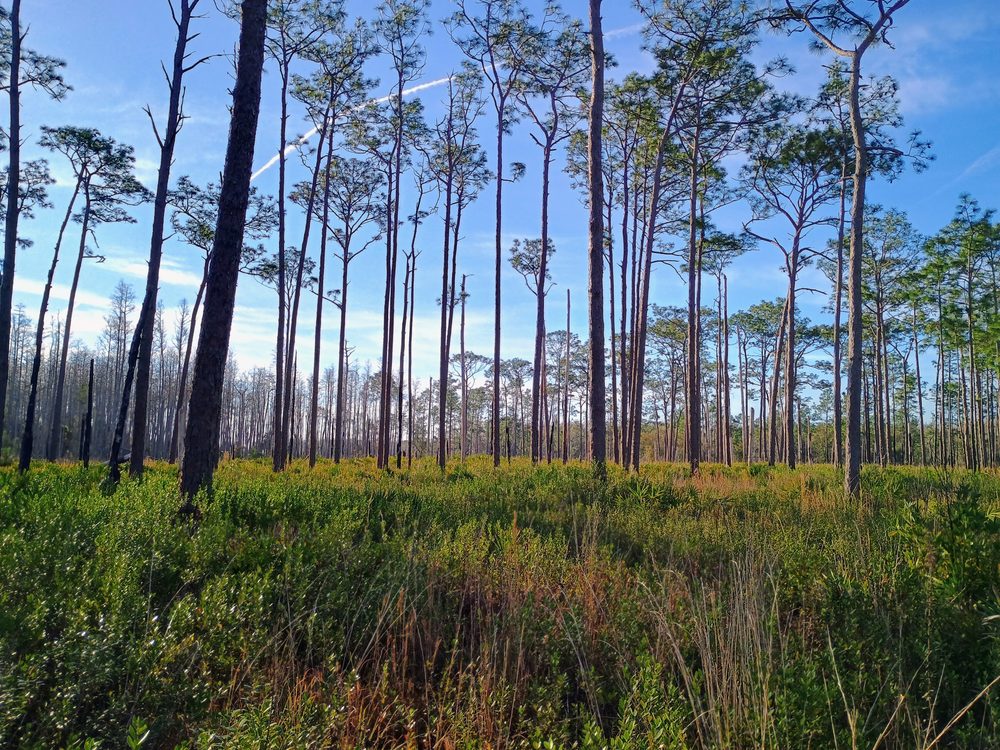
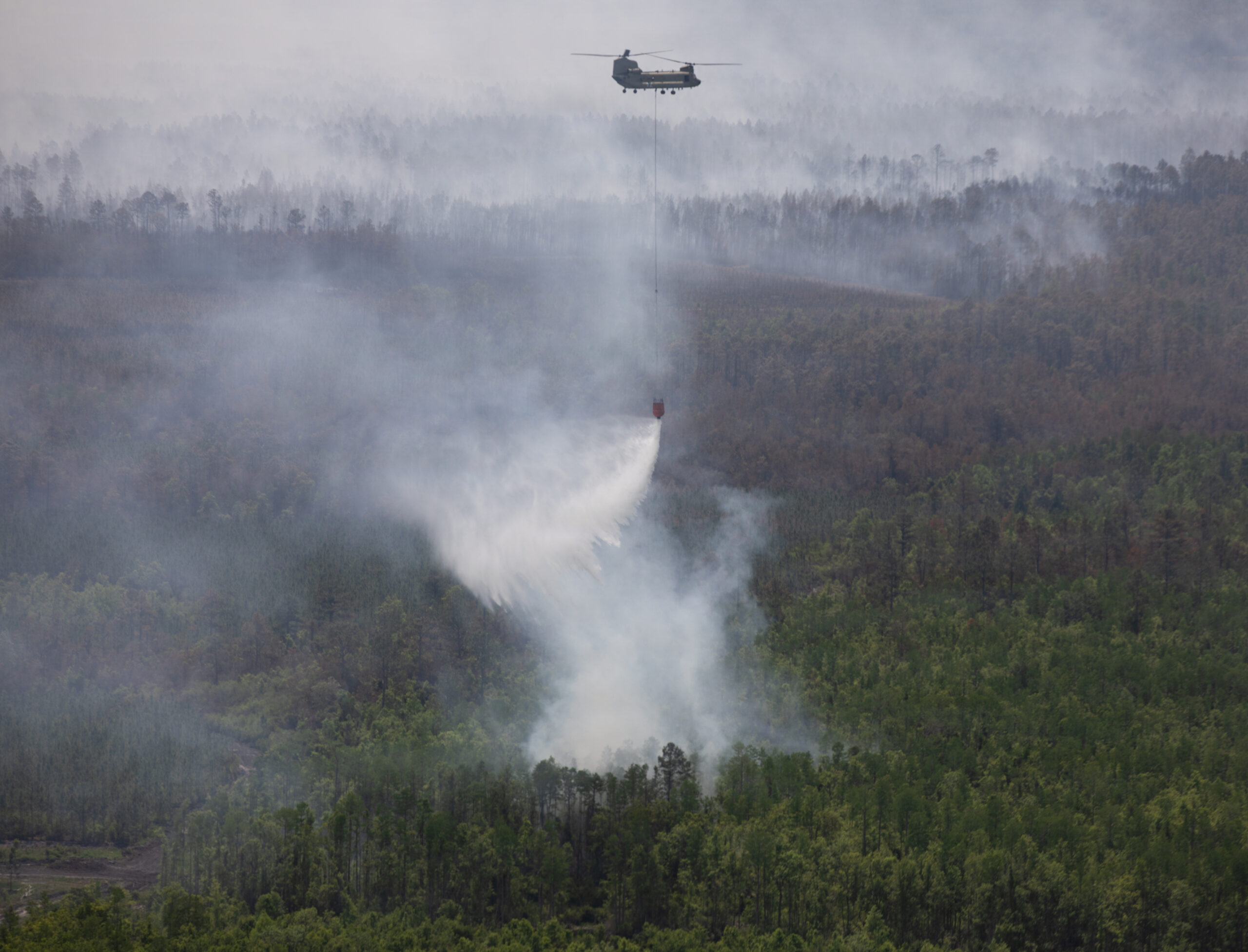
Across the South, drought is intensifying water stress and increasing wildfire risk in places not historically associated with large fires. Georgia, a state often considered water-rich because it averages roughly 50 inches of rainfall annually, experienced severe drought conditions in 2026. At the same time, the Pineland Road and Highway 82 Fires burned more than 55,000 acres. Researchers suggest that Hurricane Helene may have contributed to these fires by knocking down large numbers of trees, creating dry fuel that later intensified wildfire conditions. Events that once seemed disconnected—hurricanes, drought, heat, and wildfire—are increasingly compounding one another in a warming climate.
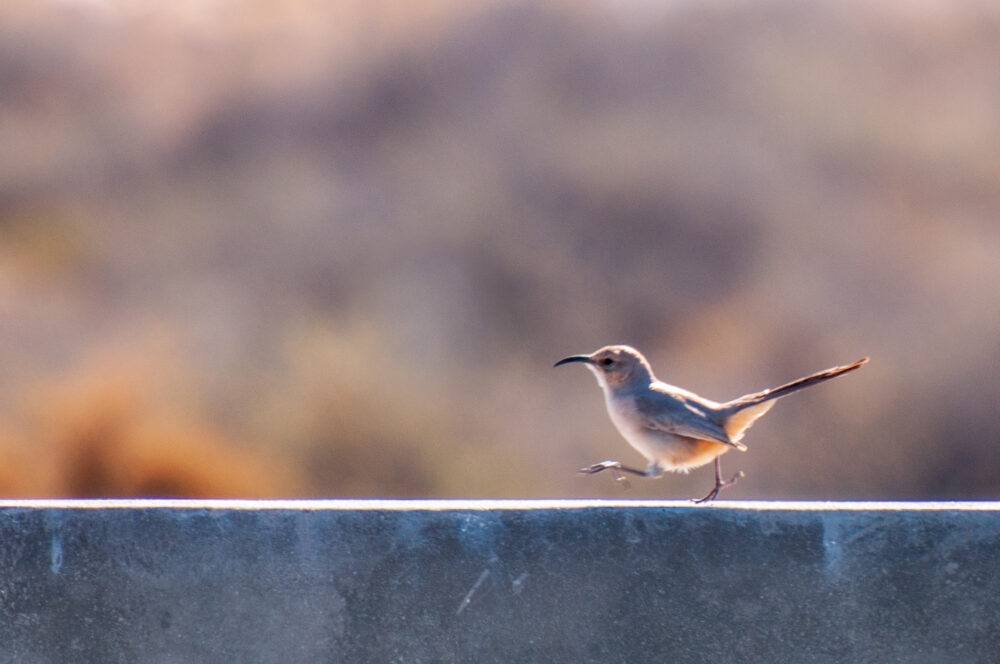
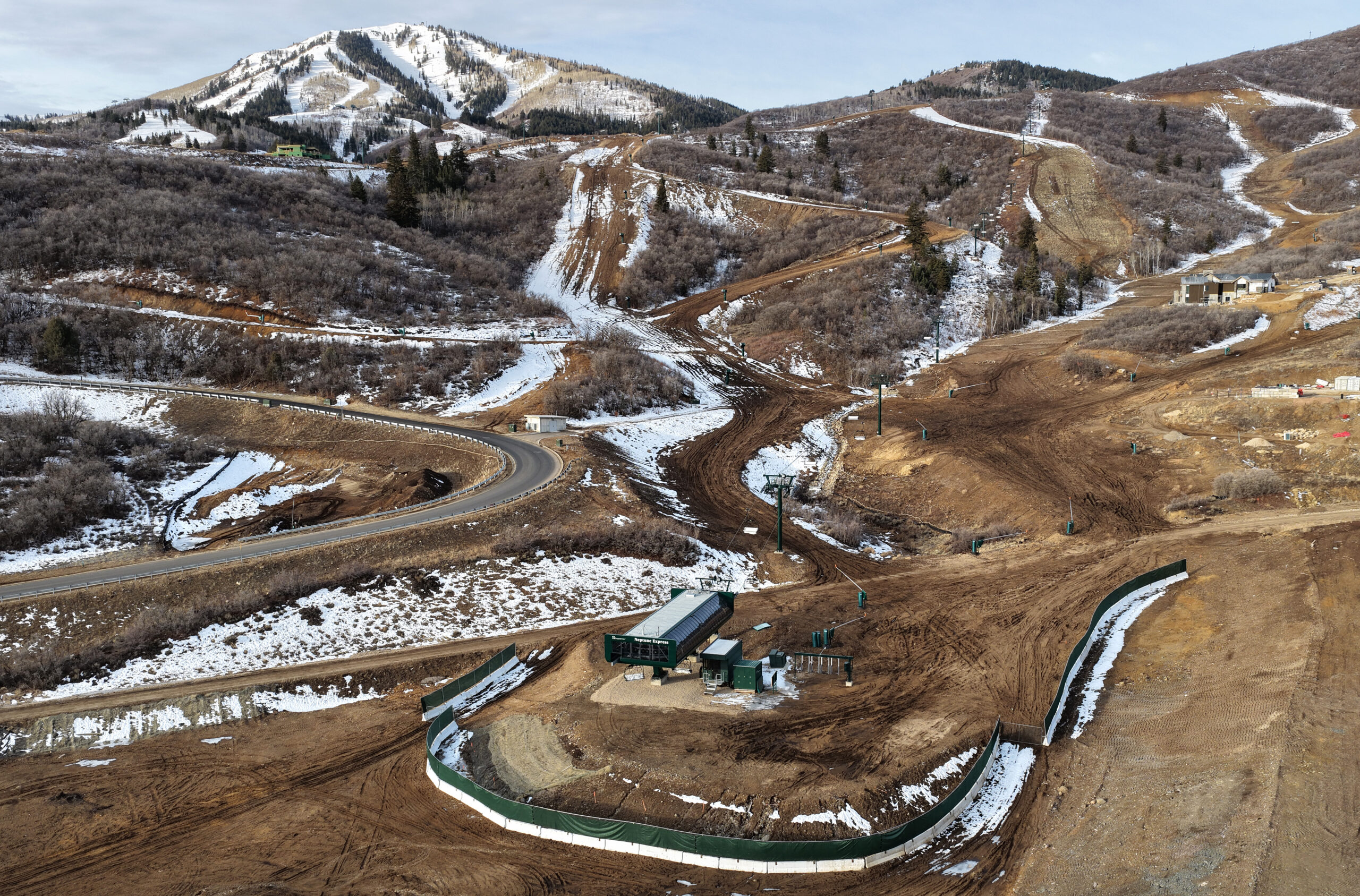
Drought also affects wildlife. Wetlands, rivers, and streams shrink during prolonged dry periods, reducing habitat for fish, amphibians, birds, and other species that depend on freshwater ecosystems. In the western United States, another form of drought called “snow drought” is becoming more common. Snowpack acts as a natural reservoir, slowly releasing water into rivers and streams throughout spring and summer. But warmer winters are reducing that snow storage. States including Washington, Oregon, Colorado, Utah, Arizona, and New Mexico experienced significant snow drought conditions in 2026. Less snow means less water available during hotter summer months, increasing stress on cities, agriculture, fish populations, and wildlife habitats. Reduced streamflow can disrupt fish migration and reproduction, while dry vegetation increases wildfire risk.
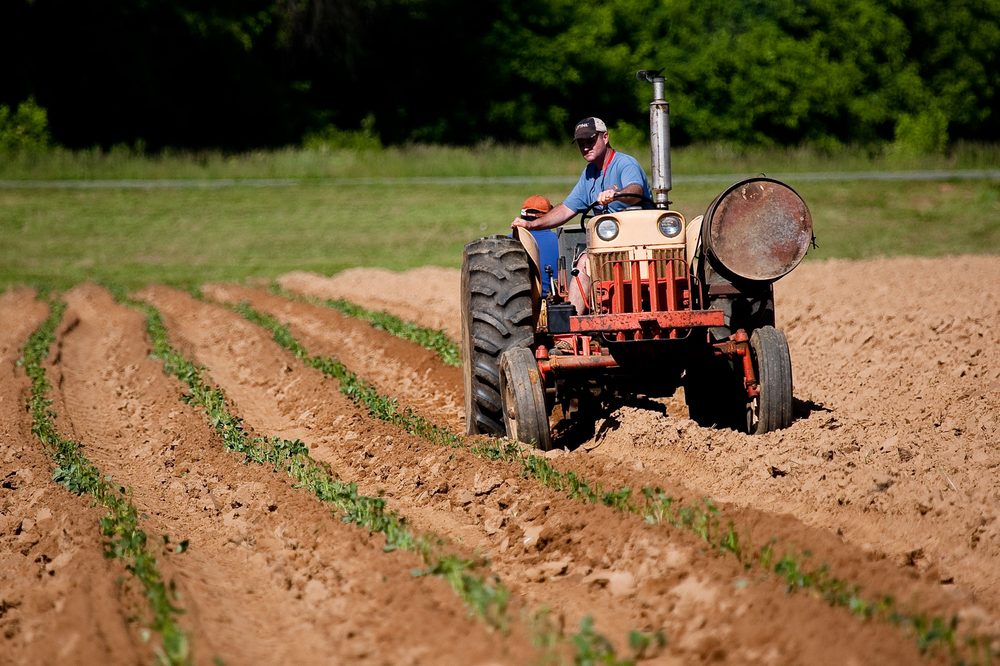
The Great Plains are also experiencing severe agricultural stress, with drought conditions impacting Nebraska, Kansas, and Oklahoma. Prolonged drought damages crop yields, degrades soil quality, and threatens livestock production. Drought is increasingly being felt and no region is fully immune from its effects.
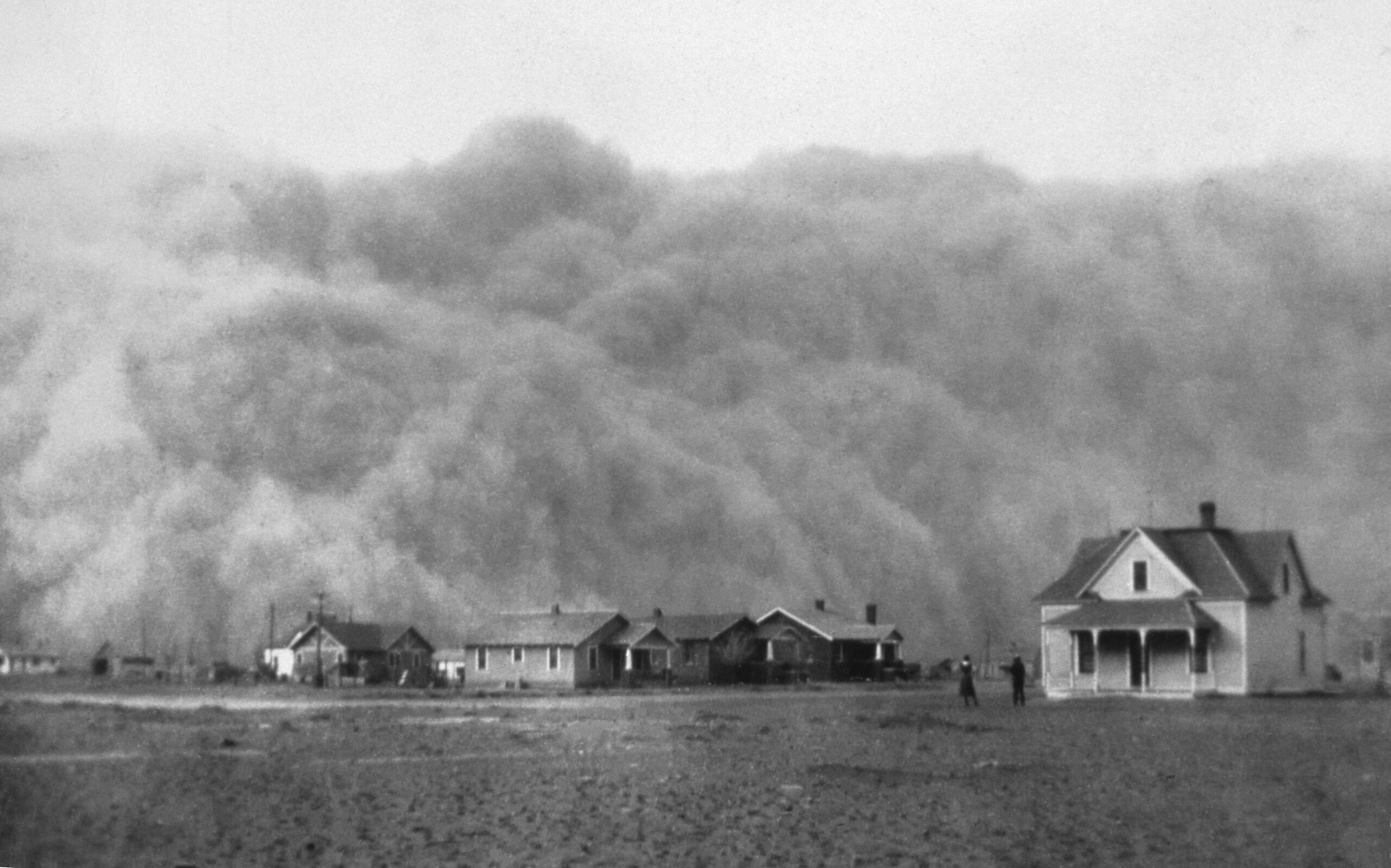
The Dust Bowl demonstrated how drought, poor land management, and extreme heat can devastate entire regions. Today, climate change, when combined with poor planning policies, may reinforce similar environmental feedback loops that prolong drought and the likelihood of severe climate disasters across the U.S.
Global Systems and Compound Disasters
Large global climate systems also shape drought patterns. These large-scale climate systems do not act in isolation. They interact with rising global temperatures to influence drought severity, rainfall variability, and the likelihood of cascading disasters. La Niña conditions, part of the El Niño–Southern Oscillation (ENSO), can contribute to drier conditions across parts of the southern and western United States. Scientists are also studying how changes in major ocean circulation systems, such as the Atlantic Meridional Overturning Circulation (AMOC), could shift rainfall patterns.
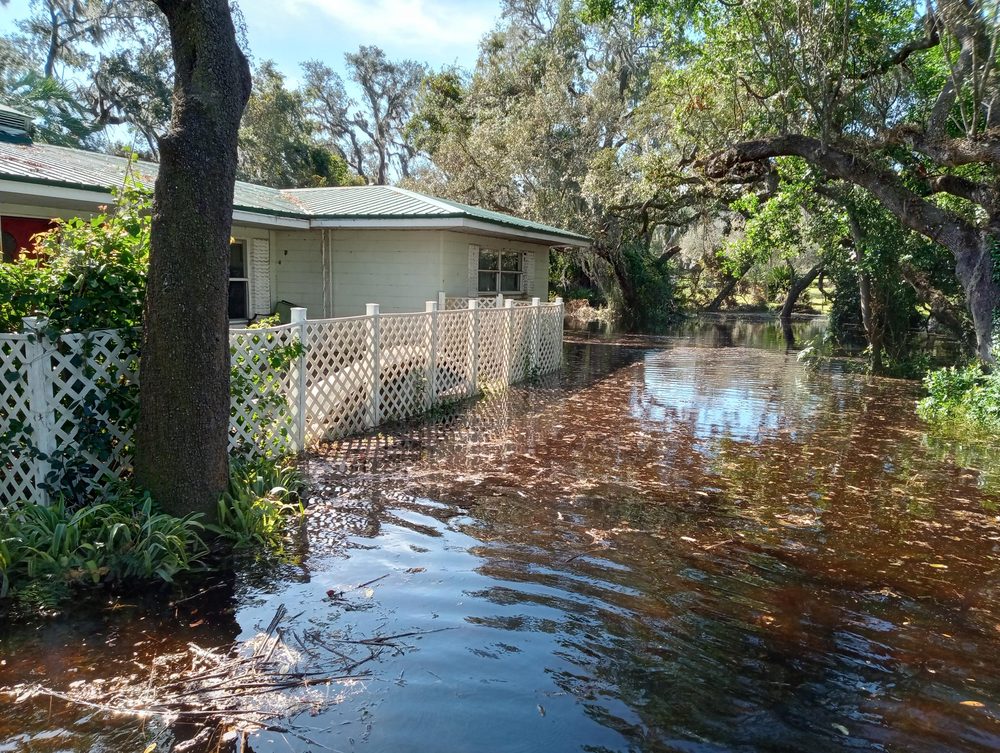
Climate change is also increasing the likelihood of compound disasters, where one extreme event intensifies another. Although intense rainfall can temporarily ease drought, prolonged dry periods harden soil, destroy vegetation, and leave wildfire ash behind, reducing the ground’s ability to absorb water. When heavy rain finally arrives, flash floods and erosion can follow, causing further habitat destruction, wildlife death, and human displacement.

On July 4, 2025 the Central Texas Hill Country Floods, a drought impacted region, where the Guadalupe River rose roughly 26 feet in just 45 minutes, killing 135 people, destroying homes, and devastating aquatic habitats and species.
To learn more about how natural disasters intensified by climate change are affecting people and wildlife across the United States check out NWF’s Unnatural Disasters Map.
Where We Go From Here
Drought is no longer simply an isolated lack of rain. It is becoming part of a larger web of interconnected climate impacts affecting people, wildlife, water systems, and entire ecosystems.
Water scarcity is becoming more complex as demand continues to grow. Rapidly expanding hyperscale AI data centers require enormous amounts of water for cooling, placing additional pressure on already stressed water systems in some regions.
Understanding drought as part of a larger interconnected climate system is essential for preparing communities for a hotter, drier, and more unpredictable future.
Stay informed on local, state, and/or federal projects that may be water intensive, such as data center buildouts, and check to see if there are any voting opportunities on your ballot.
Take a look at NWF’s Action Fund to explore more ways to help protect our wildlife, environment, and one another.
