









We have much more to do and your continued support is needed now more than ever.
U.S. Workers Deserve Protection From Extreme Heat
Extreme heat is becoming deadlier, putting workers across the country at growing risk. As the federal government stalls on a protective heat rule, states are stepping up to keep workers safe.

A farmworker wears protective clothing while working in a field in the morning heat on July 3, 2024 near Coachella, California. A long-duration heat wave with forecasts of up to 121 degrees impacted much of California with authorities warning of extreme health and wildfire risks. Credit: Mario Tama/Getty Images
Across the country, temperatures climbed into the triple digits this summer, putting over 100 million people under a heat alert in early August. Summers like this have become increasingly common. Year after year, extreme heat is breaking records and heat waves are occurring more often and lasting longer—46 days longer, in fact.
Extreme heat has dire impacts on our public health, claiming over 700 lives in the United States each year. This figure is likely an underestimate since most heat injuries are not recorded as such.
Although this heat affects all of us, it doesn’t affect us equally. Indigenous, rural and immigrant communities, communities of color or low income, pregnant people, people experiencing homelessness, and the elderly disproportionately suffer from the impacts of extreme heat.
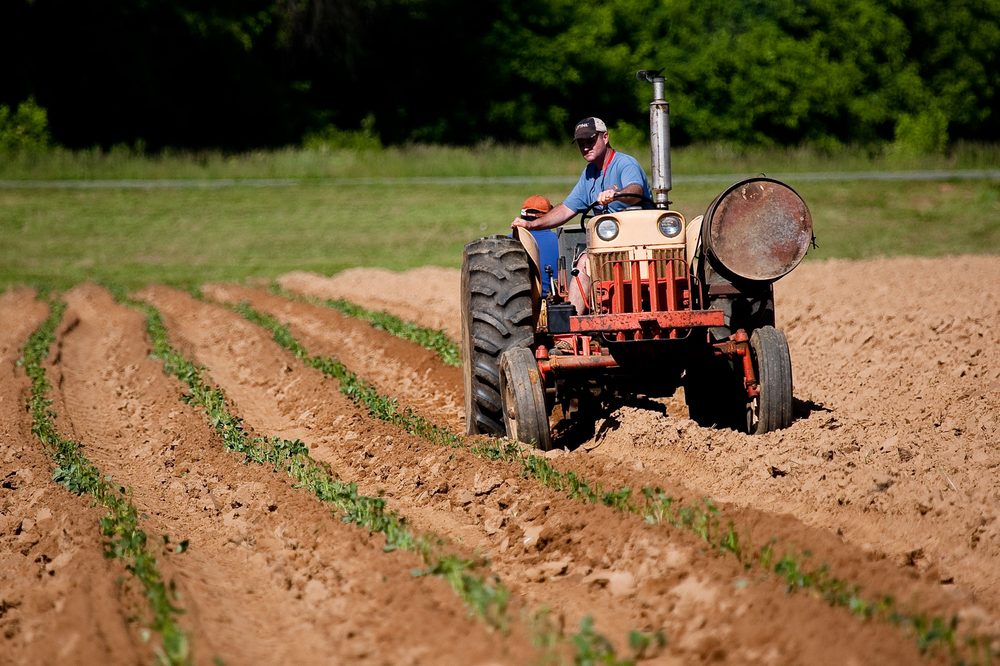
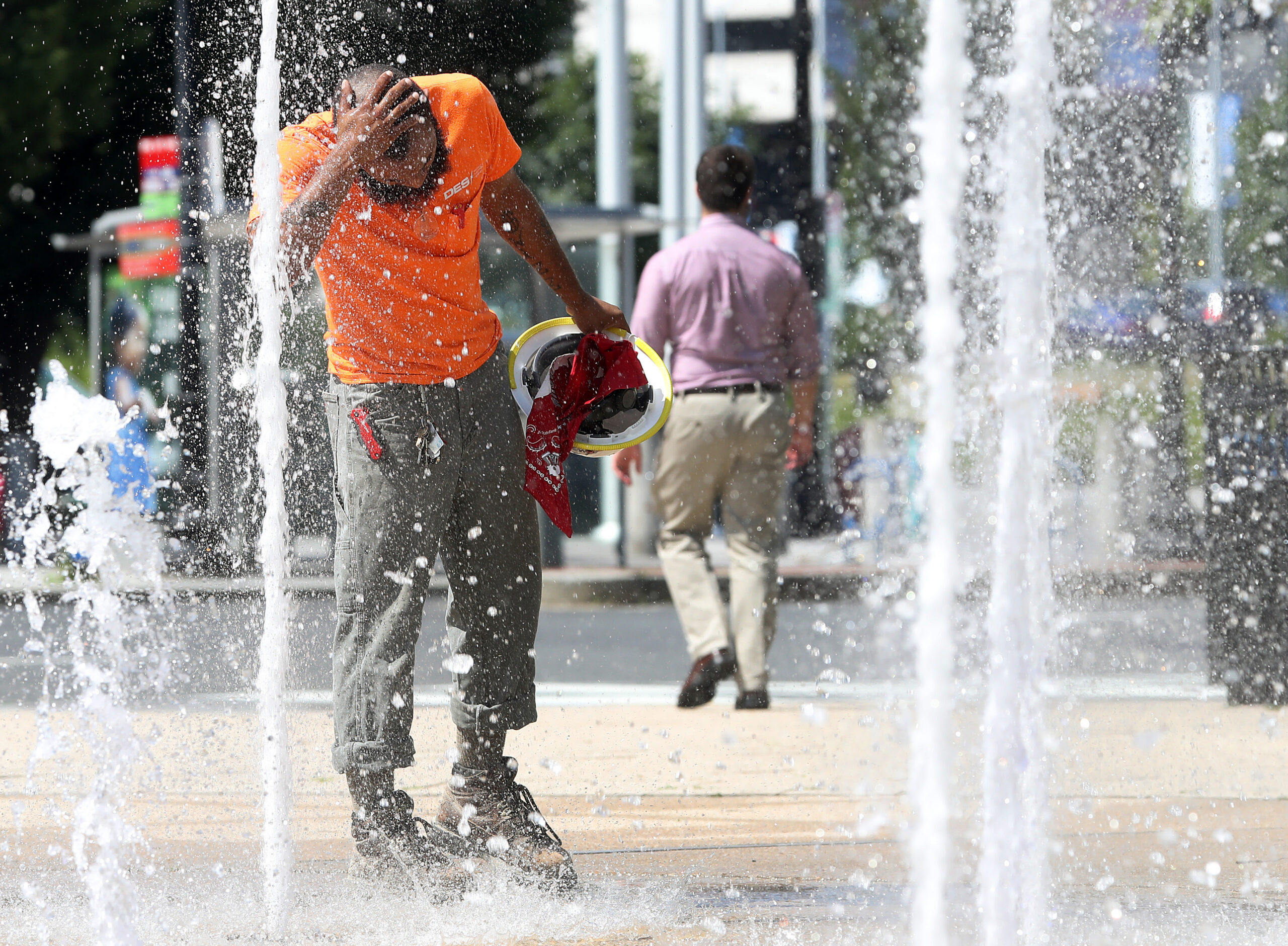
Outdoor workers, such as construction workers, agricultural workers, and fisherfolk are also at a higher risk of heat-induced illnesses. With a typical work day under the blazing sun and little to no shade, outdoor workers face some of the highest health risks during heat waves. In fact, agricultural workers are 35 times more likely to die from heat exposure than other occupations.
The growing risk has forced some workers to begin work before the sun rises or to consider overnight shifts, however, that may not provide much relief as nighttime temperatures have been steadily increasing, too.
Indoor workers exposed to heat—such as those in unconditioned facilities or with poor ventilation—are also at heightened risk regardless of the intensity of work, though more intense work increases heat stress. This can include school teachers, restaurant kitchen workers, and those working next to furnaces or other heat-emitting machinery.
Additional factors that may increase heat exposure both inside and outside include personal protective equipment, such as non-breathable clothing, face shields, and more.
This is why workplace heat protections are critical to keep workers across industries safe.

Federal Protections are Being Stalled
Despite the need for stronger safeguards, the Trump administration is now backing away from finalizing U.S. Occupational Safety and Health Administration (OSHA) workplace heat standards. The 2024 proposed rule under the Biden administration would require employers to provide breaks and access to water and shade and to develop heat safety plans and training. These proposed protections were estimated to benefit 35 million workers across the country.
However, the proposed heat rule with strong worker protections has stalled and the future is uncertain. Last year, the Trump administration held the previously scheduled public hearings and OSHA indicated a revised rule could be released by the end of 2026 and finalized in 2027.
The revision, which workers’ advocates expect will be much weaker than the proposed rule, would not only threaten a worker’s ability to access water, shade, and breaks, but has the potential to start a race to the bottom to further embolden businesses to deregulate at the state and local level.
That’s not all. Republicans in Congress are going a step further to prevent any implementation of workplace heat protections. In July, in a party line vote, the U.S. House of Representatives Education and Workforce Committee voted to advance the Heat Workforce Standards Act (HR 6213) that would stop the U.S. Department of Labor from finalizing, implementing, and enforcing standards for worker protections against extreme heat and illness prevention both now and in the future.
Luckily, some states are filling in and using their own tools to protect workers.
States are Stepping Up to Protect Workers Against Extreme Heat
Nationally, about 28,000 work injuries are linked to heat, making state-level protections even more important. States that have policies to protect workers from heat can cut the rate of workplace accidents by half compared to those without.
Currently, only seven states have heat regulations. California, Maryland, and Oregon have rules that protect both indoor and outdoor workers, while three states have heat regulations that apply to specific sectors: Colorado (agriculture), Minnesota (indoor workers), and Washington (outdoor workers).
Nevada has the weakest protections. Its rule does not establish a specific temperature threshold and requires employers only to conduct a one-time review to determine whether they should comply. In other words, there is no clear, enforceable heat threshold in Nevada’s rule.
It is important to remember that not all state heat regulations are created equal. That’s why BlueGreen Alliance, the National Wildlife Federation, and other coalition partners put together a checklist of what should be in a model heat rule.
What Progress Looks Like in 2026
Comprehensive heat rules that protect all workers require shade, paid rest, and cold water along with a written heat stress prevention plan that includes science-based temperature triggers, annual training, acclimatization, retaliation protection and emergency response procedures.
Based on this criteria, California, Oregon, and Maryland have the most protective rules. Nevada’s is minimally protective because it does not have any temperature triggers and it does not require annual training. There is continued progress on the state level, with 16 states introducing bills to protect workers from heat during the 2026 legislative session. Virginia successfully passed its legislation and the Virginia Department of Labor and Safety and Health Codes Board is now working on a heat rule to be written by 2028.
What You Can Do
Stay in the know! America’s workforce keeps our country moving—delivering mail, teaching our children, constructing new buildings, maintaining infrastructure, and more. You can speak up for our country’s workforce by staying up-to-date on current policy and solutions and by asking your state electeds to protect workers from extreme heat through smart, science-based rulemaking.
This blog is a collaboration between the National Wildlife Federation and BlueGreen Alliance.
