



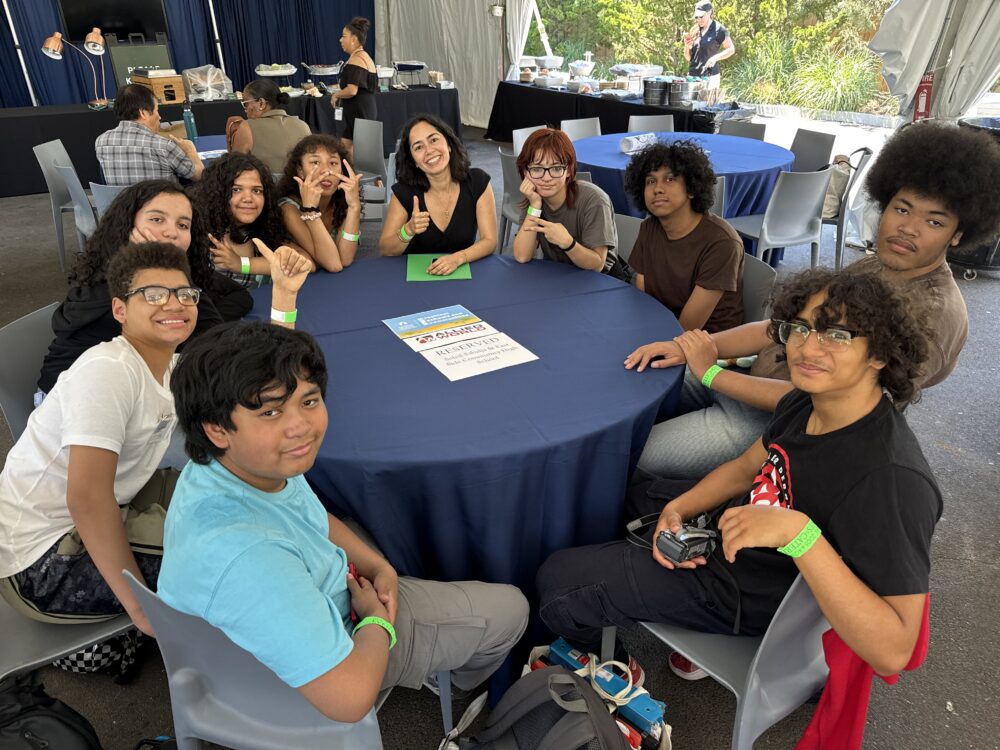
We have much more to do and your continued support is needed now more than ever.
How You Can Make a Difference in Conservation This 250th Birthday
Honoring Independence Day by reinvesting our time in our communities

Credit: Paul Leible
“Never doubt that a small group of thoughtful, committed citizens can change the world; indeed, it’s the only thing that ever has.”
– Margaret Mead
This year, the United States is celebrating the 250th anniversary of the Declaration of Independence, an incredible document created by people determined to make change happen. Undoubtedly, communities across the country will celebrate with fireworks and grilled food, but what better way to celebrate this monumental anniversary than by considering all the ways we can meaningfully contribute to our communities and the nation?
Representation and participation in civic life can make a difference. The decisions made at every level of government are a reflection of who was at the table during the discussion—and who wasn’t. That’s why the National Wildlife Federation encourages your civic participation to ensure that Americans not only speak up but also lead on issues that matter to them—whether it is wildlife conservation, environmental protections, or the local economy.
Are you ready to get more involved in your community but not sure what to do? Here’s our suggestions for acting locally:
Join a Local Environmental or Conservation Club
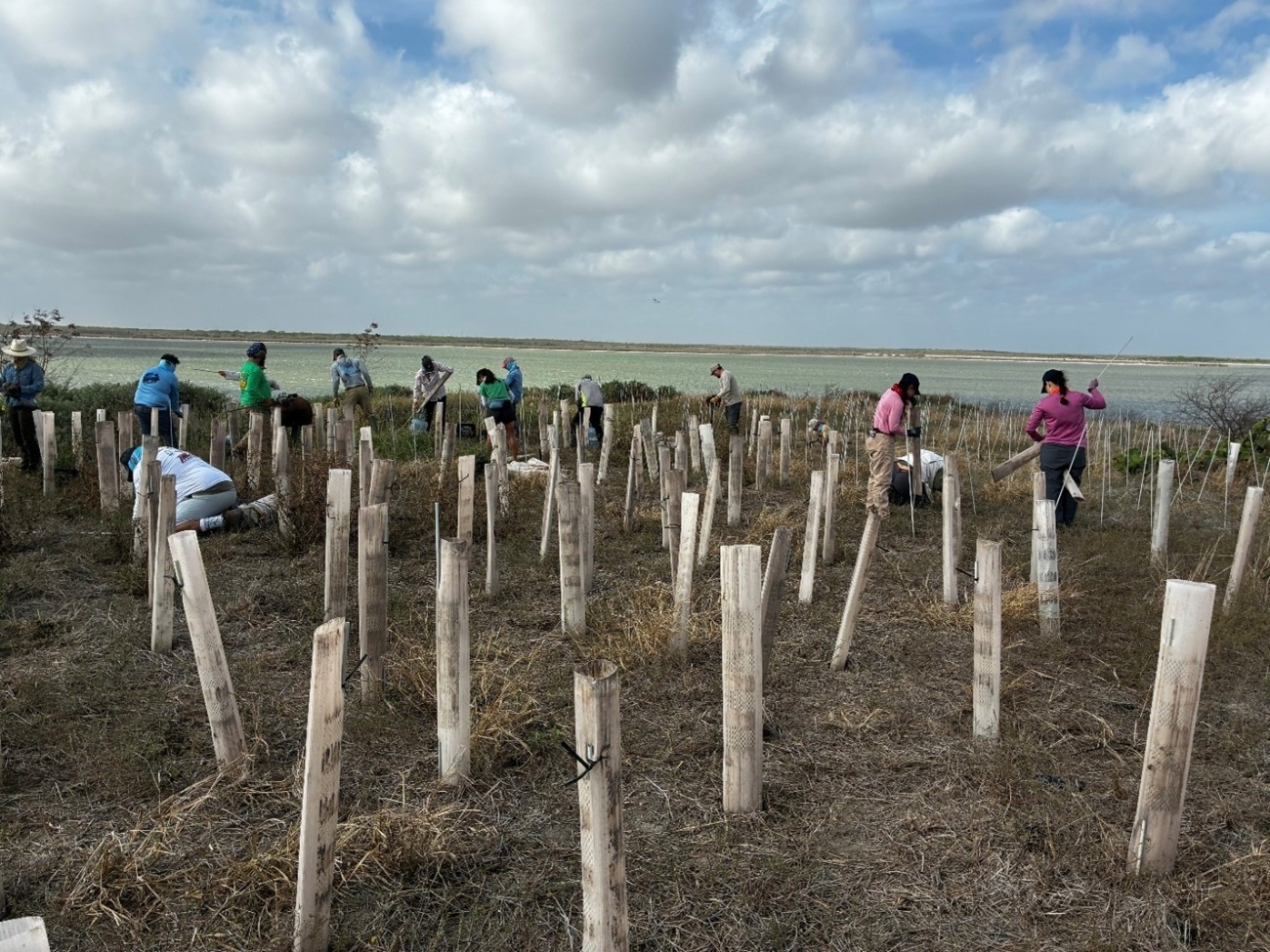
From bustling cities to small villages, many communities have groups of volunteers who work together for the improvement of their neighborhoods (aka civic clubs). Check to see if there are any groups that focus on local environmental issues, protect or oversee natural spaces in your area, help injured wildlife, promote native plants, etc. RSVP and show up at their next gathering or volunteer effort.
Don’t go just one time though—invest your time once you find a civics club that feels right for you. Not only will you learn a lot about an issue that you care about, but you will meet others who share a similar passion. (Don’t forget Margaret Mead’s quote above).
Create a Local Advocacy Campaign
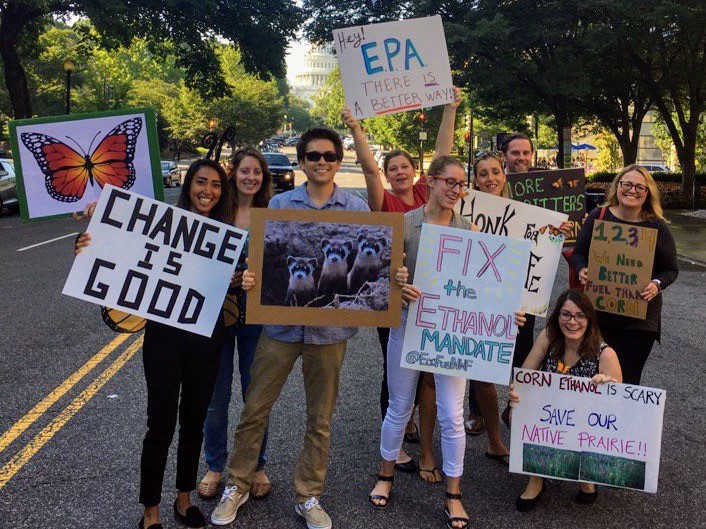
Is there a nearby industry polluting your favorite river but there isn’t a concerted effort to respond to it? Are you seeing too much litter in wild spaces? Is your community considering a project that would destroy wildlife habitat? Are local leaders taking an action that will impact local wildlife? Don’t wait for someone else to deal with it. Go bold and take the lead!
Start talking to others who might share your concern. Host gatherings to brainstorm on what you can do together to address the issue. Perhaps it’s sending a group letter to decision-makers, alerting the media, or meeting in-person with elected officials. Your willingness to push the cause forward could be the missing piece to helping your community. You’ve got this!
Check out these NWF’s advocacy toolkit & training videos or these other helpful resources to get you started:
- 10 Steps to Your Advocacy Plan, National Council for the Social Studies
- How to Become a Valuable Advocate for Causes You Care About, Change.org
Become the Decision-Maker
Local officials make decisions every day that can affect your community. Imagine what you could achieve if you were one of the officials making those decisions! Whether a position is elected, voluntary or appointed, you can bring a unique perspective to help shape the future of your community when you step into a leadership position.
Someone has to make those decisions impacting your community—why not you? Perhaps you could be the deciding vote on that issue you have been concerned about! If it is an elected position, there are many resources out there who teach everyday Americans how to run for local office if you need the help. Your community needs you.
These nonpartisan articles should help you get started:
- How to Run for Public Office, Lawrence University
- How to Actually Run for Office: Your 8-Step Cheat Sheet, She Should Run
- Community Connections 101, New Politics Academy
What Else Can I Do?

To achieve a healthy democracy, we must intensify our efforts to ensure that everyone has the ability to weigh in on issues that matter to them. Here’s how you can help us on the local level:
- Help others in your community get ready to vote. Coordinate a voter drive to encourage your neighbors to register to vote or to check their voter file for any issues. The Fair Elections Center provides a guide for voter registration drives in your state. The Rock the Vote organization offers a helpful toolkit and materials to set up your first voter drive.
- Help elections run smoothly in your community. Become a poll worker or take another nonpartisan role in administering elections.
- Stay informed about court cases and state laws that could impact your ability to speak up or vote. Spread the word when you learn about something new and let your elected officials know where you stand.
More than 250 years ago, colonists started speaking up about their concerns and pushing for change. You have inherited that legacy. In honor of the 250th anniversary of the Declaration of Independence, let’s each take a seat at the table in our own communities and help guide them towards a better future for wildlife and our neighbors.
Learn more about NWF’s civic engagement efforts here.
