

















We have much more to do and your continued support is needed now more than ever.
Tell the Environmental Protection Agency to Protect Our Climate and Our Health from Power Plant Pollution

Bald eagle. Credit: Jacob W. Frank/NPS
The federal government is about to abandon its duty to keep our air clean—and we need your help fighting back. You can tell the U.S. Environmental Protection Agency to keep dangerous pollution out of our air, and keep communities and wildlife safe from climate change by speaking at the upcoming virtual public hearing on October 1.
In February, the Environmental Protection Agency (EPA) repealed the Endangerment Finding, a conclusion—based on decades of sound science—that undergirds the agency’s regulation of greenhouse gases like carbon dioxide, methane, and nitrous oxide.
Made in 2009, the Endangerment Finding determined that these gases literally endanger—put in peril—human health and welfare. Alongside this repeal (which is being challenged in court), EPA revoked emissions standards for cars and trucks.
Now, the EPA is proposing to use another Endangerment Finding repeal to end their own authority to cut greenhouse gas emissions from power plants. If the EPA’s new proposal stands, the agency would no longer commit to protecting people and wildlife from climate pollution from power plants, which together release nearly 30% of all U.S. greenhouse emissions.
This move also prevents future administrations from restoring the EPA’s authority to regulate power plant pollution to address climate change, which, until then, is their obligation under the Clean Air Act. These actions directly contradict the EPA’s mission of protecting human health, welfare, and the environment, including wildlife and the habitat upon which they depend.
The federal government says repealing all greenhouse gas standards will save billions in industry compliance costs annually. But this is a drop in the bucket compared to what climate change-fueled unnatural disasters are costing all of us.
January’s wildfires in Los Angeles were the costliest disasters this year—estimated to cost $53 billion, as well as more than 30 deaths and untold damage to wildlife habitat. And that’s just one disaster—last year, the U.S. experienced 23, and this year, we’ve already had 12.
And then there is the increasing cost of pollution to our health. We’ll be trading any miniscule “savings”—of which, by the way, you won’t receive, for more medical bills, more asthma inhalers, and more insurance claims for disaster-stricken homes.
On October 1, the EPA is holding a virtual hearing to hear from the public about this proposal. This is your opportunity to tell the EPA to uphold the Endangerment Finding for power plants, and to avoid irreversible harm to our communities, lands, waters, and wildlife.
The EPA has a legal responsibility to protect us and our treasured wildlife. The Endangerment Finding is a common sense acknowledgment of the harms of greenhouse gases, and it requires the EPA to do their job.
How do I register?
Register for the virtual hearing here. Here is a link to the official hearing announcement. It is virtual and scheduled for October 1, 2026. The last day to pre-register is September 29.
Accommodation requests must be made by September 24 to the same email (EPA-MobileSource-Hearings@epa.gov). All attendees (including those who will not be presenting verbal testimony) must register.
What will the hearing be like?
You will speak to a panel of EPA officials who are there to listen and to take notes. They may ask clarifying questions about your comments, but will not respond to the statements during the hearing. You will be scheduled to speak during a block of time. Plan to arrive early so you can make sure you have access to the virtual room, and can get a sense of what the hearing is like before you are called on.
They may be running ahead of schedule, but you should be prepared for a wait. Depending on the number of speakers, there may be a delay. After you have finished providing your testimony, you are free to leave or stay to hear other comments.
Each person has four minutes to speak. People usually read 150 words in one minute, so keep your comments under 500 words.
What should I say when I testify?
Make it personal:
- Examples from your own life to show why you think actions to combat climate change are important—they will make your testimony memorable. You don’t need to include highly technical information or legal arguments—talk about how climate change is impacting your life and the lives of things you care about, including wildlife, and how power plants are major sources of pollution that should be regulated.
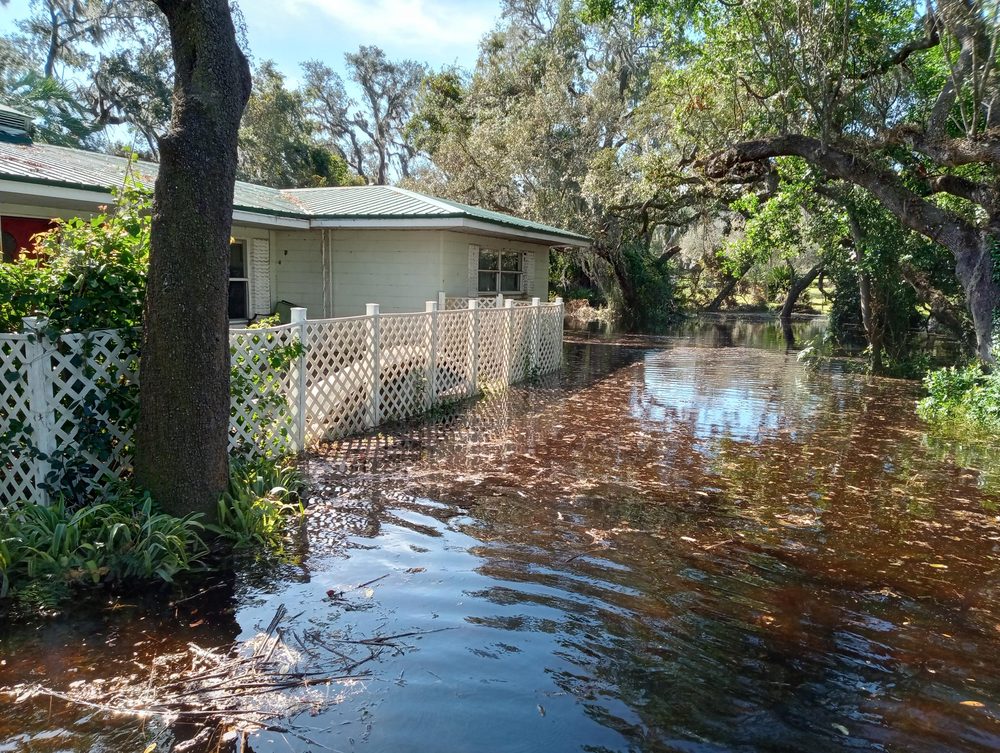
- Climate change is causing more intense weather events. Have you been impacted by worsened extreme weather such as the record freeze in Florida, the extreme flooding in Hawaii, West Virginia or Texas, or the heat dome that blanketed much of the U.S. this summer?
- Smog and air pollution can cause or worsen respiratory illnesses, including allergies and asthma. Have you or members of your family felt any of the negative health impacts of climate change, such as from wildfire smoke? Or, are you a health professional who works with people who are harmed by air pollution from coal-fired power plants?
- Climate change is harming wildlife and the outdoor places that we love most. How is a changing climate affecting the wildlife and outdoor places that you love? Are the trout streams where you fish being closed more often due to excessive heat or low water levels? Have your favorite campsites or trails closed due to recent megafires or increased fire risk? Has low snowpack near you affected water availability in spring and summer?
Include a few key facts:
- Plant and wildlife species are shifting their entire ranges to colder locales, in many cases two to three times faster than scientists anticipated.
- The U.S. already experienced 12 billion-dollar disasters in just the first half of 2026 that collectively cost $32 billion and killed at least 183 people. If we compare this with the 1980s, which had an average of three $1 billion disasters a year, we can see the growing frequency and deadly intensity that weather disasters are having on our lives and livelihoods.
- 2024 was the world’s hottest year on record. People are still reeling from catastrophic climate disasters like the flash flooding in Texas, fires in Los Angeles, the hurricane flooding in North Carolina, and 143 straight days of over 100-degree heat in Phoenix.
- A study found that breathing fossil fuel-generated air pollution causes about 107,000 premature deaths annually in the U.S., and in 2020 health costs exceeded $820 billion a year. This far outweighs any “savings” the EPA claims will result from deregulation.
Tell the EPA to uphold the endangerment finding:
- Greenhouse gas emissions endanger public health and welfare. This fact has been upheld by decades of peer-reviewed science, and the current EPA is turning its back on the global scientific community.
- The EPA has a legal responsibility to protect the health and safety of our communities, wildlife, and environment, and must not turn back the clock and roll back the very foundation of federal climate action in this country.
- Repealing this finding would strip the EPA’s justification for regulating greenhouse gas emissions from power plants, putting everyone’s health at risk so polluters can to operate unchecked.
- Rejecting the 2009 Endangerment Finding accelerates our race to the bottom by attempting to halt the ongoing, job-creating push to expand affordable clean energy in America. This embrace of the past will only leave the U.S. more unprepared for worsening extreme weather and shifting economic winds.
If you can’t make it, still be sure that your voice is heard. You can speak up by submitting your comments to The Environmental Protection Agency via our action alert, coming soon.
