















We have much more to do and your continued support is needed now more than ever.
Fighting Toxic “Forever Chemicals” on Our Farms

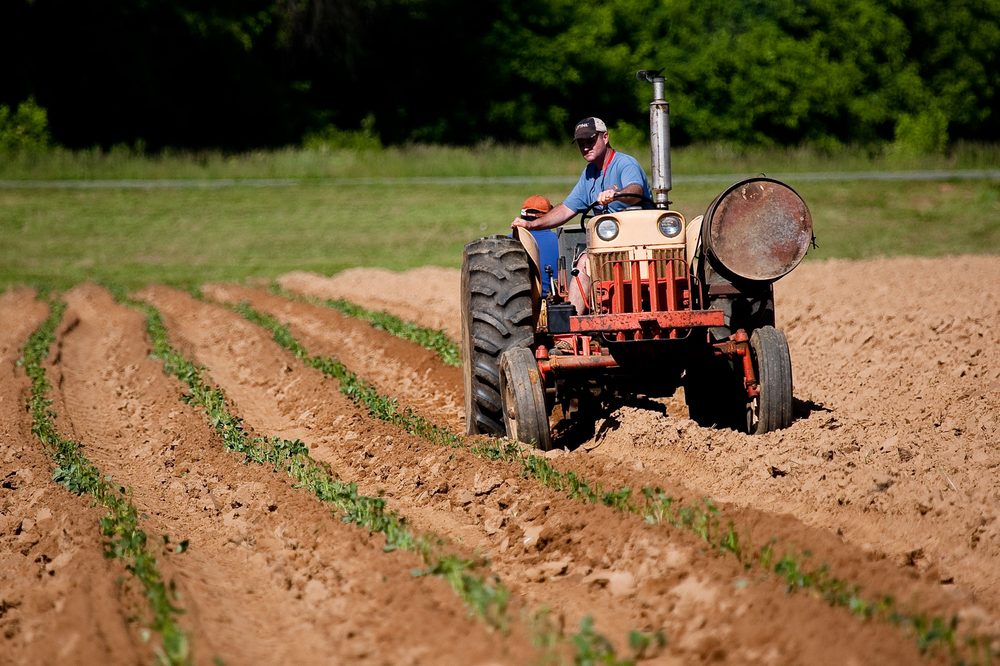
Credit: USDA
PFAS are toxic, nearly indestructible chemicals found in cookware, firefighting foam, and sewage waste. They’re poisoning farms, wildlife, and drinking water, threatening the livelihood and cultures of fishers and hunters.
Jason Grostic ran a century-old organic beef farm in Michigan, which had been in his family for generations. His family fertilized the farm with “biosludge” fertilizer sold to him by a local wastewater treatment plant.
Too late, Jason found out that the fertilizer was contaminated with PFAS. The pollutants came from an upstream auto parts factory that uses PFAS in its production. This same factory poisoned the Huron River and Ann Arbor’s drinking water.
Jason’s cattle were contaminated. His land: unusable. His story: all too common.
Read more: What are PFAS and how do they affect us?
How PFAS got onto our Farms
For years, governments and researchers encouraged farmers to spread sewage waste (biosludge) on fields as cheap fertilizer. The PFAS danger wasn’t widely understood yet.
The national wake-up call came in 2016 when a dairy farm in Maine tested positive for PFAS. The state launched a massive investigation and found widespread contamination, mostly from biosludge.
Since then, farmers near military bases in New Mexico and Colorado have also been shut down. The Department of Defense has identified over 4,000 high-risk or already-contaminated agricultural sites across the U.S.
What Needs to Change? Three Things.
1. Support for Farmers
Maine became the first state to create a fund that pays farmers for their losses and provides medical support. A federal bill—the “Relief for Farmers Hit with PFAS Act”—would do the same nationwide. The National Wildlife Federation and American Farmland Trust are pushing for it.
2. Smarter Regulations
Maine now bans spreading biosludge on land. Connecticut bans biosludge that contains PFAS. Michigan limits how much PFAS can be in biosludge and requires industrial polluters to filter PFAS out of their wastewater before it reaches treatment plants.
At the federal level, the EPA has paused a risk assessment on PFAS in sewage sludge. That assessment needs to be finished, and fast, so farmers and the public know what they’re dealing with.
3. Make Polluters Pay
The best solution is to stop PFAS at the source. NWF supports state-level bans on PFAS in everyday products and firefighting foam. Less PFAS in products means less PFAS in wastewater, runoff, and food.
But when contamination happens, the victims shouldn’t foot the bill. Polluters should pay for clean water, medical monitoring, and economic losses. In Michigan, NWF is working with the Great Lakes PFAS Action Network to pass exactly that kind of law.
The Bottom Line

PFAS are everywhere, and they don’t break down. They hurt farmers, families, and wildlife. But we know how to fix this: ban PFAS at the source, regulate what’s left, and clean up what’s left without leaving the people who have already suffered to pay. We don’t need more stories of farmers losing their land, and we have the power to stop it.
