












We have much more to do and your continued support is needed now more than ever.
Kentucky Wins in Environmental Protections Campaign
Recent Defensive Win for Clean Water, Public Health, and Science in Kentucky Has National Implications
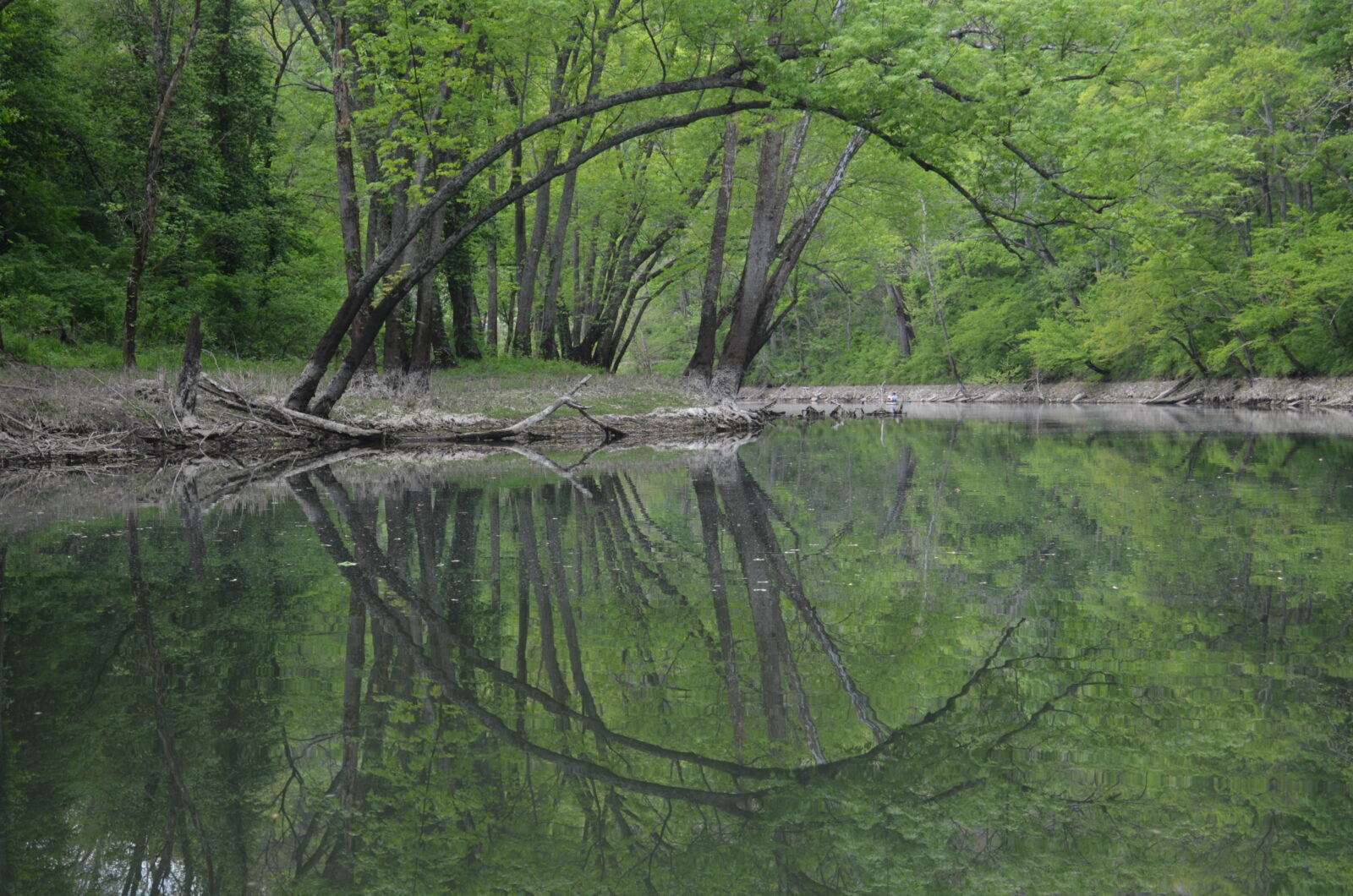
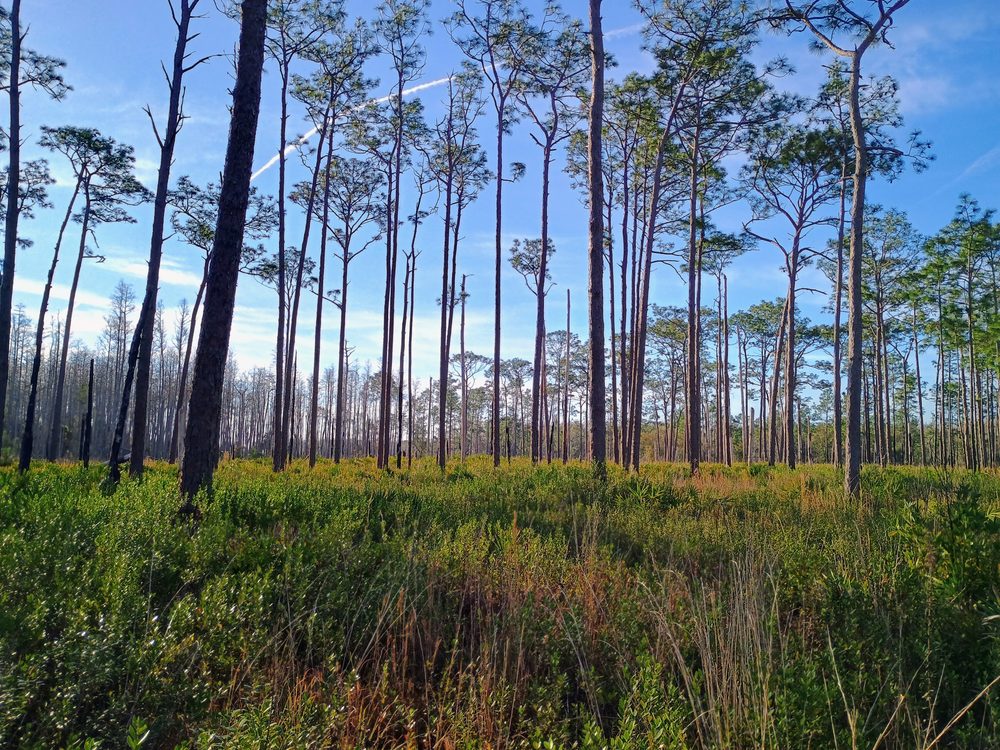
Dix River, KY. Credit: Susan Griffin Ward
A dangerous model bill is spreading across state legislatures nationwide, threatening waterways, wildlife, and public health by tying the hands of state regulators—making it extremely difficult to respond to water quality and public health challenges.
These bills—which appear to be written by a conservative DC think tank—would effectively make it illegal for state environmental and health agencies to have stricter rules than the federal government, tying the hands of the state from addressing new and unique challenges that arise. So far, Tennessee, Alabama, and Utah have passed bills like these.
For a minute it looked like Kentucky would follow. Luckily, Kentucky Waterways Alliance—NWF’s state affiliate—worked with partners to stall a bill called SB178, introduced by Senators Greg Elkins and Brandon Smith—in the 2026 session.
Michael Washburn, Waterways Alliance’s Executive Director, talks to us about the successful campaign against SB178—one of the most restrictive versions of these bills—and what he thinks is going to happen next.
What threats did SB178 pose to public health, wildlife, and waterways in Kentucky?
SB178 was effective and dangerous because, on its face, it presented itself as an effort to bring rigor and consistency to environmental decision-making, leaning heavily on phrases like “best available science” and “weight of scientific evidence.” This obscured what it actually set out to do—limit the state’s ability to act on real threats to public health or the environment.
SB178 would have turned federal standards into a ceiling rather than a floor. Kentucky would have been constrained from going beyond federal requirements in more than 50 different areas.
The most concerning provision was that the bill required proof of a direct causal link between that illness and a specific pollutant before new protections could be adopted. This often takes millions of dollars and decades to prove—it essentially ties the state’s hands.
The bill invoked terms like “best available science” and “technological achievability” while narrowing the evidence that could be used and raising the threshold for what counts as proof.
In practice this bill would have meant more delays, more litigation, and more opportunities for bad actors to stall or weaken protections.
The bill would have structurally changed the underlying logic of how decisions get made, shifting from a preventive, public-interest model to one that makes action harder, slower, and more legally vulnerable.
That shift would have real consequences for the health of Kentuckians, the cleanliness of our waterways, and the wildlife that depend on them.
How were KWA and partners able to mobilize opposition to SB178 so quickly?
Our role wasn’t just to generate opposition; it was also to create clarity. The first move was to take the bill out of its abstract, technical language and make its consequences understandable.
As soon as the bill was introduced, we worked with partners across the state to stand up a public-facing campaign. That meant building infrastructure for people to engage – plain language summaries, talking points, and materials that didn’t just describe the bill but translated it. We pushed those out through action alerts, email, and media outreach. We produced a social video that could travel more quickly and reach new audiences where they are.
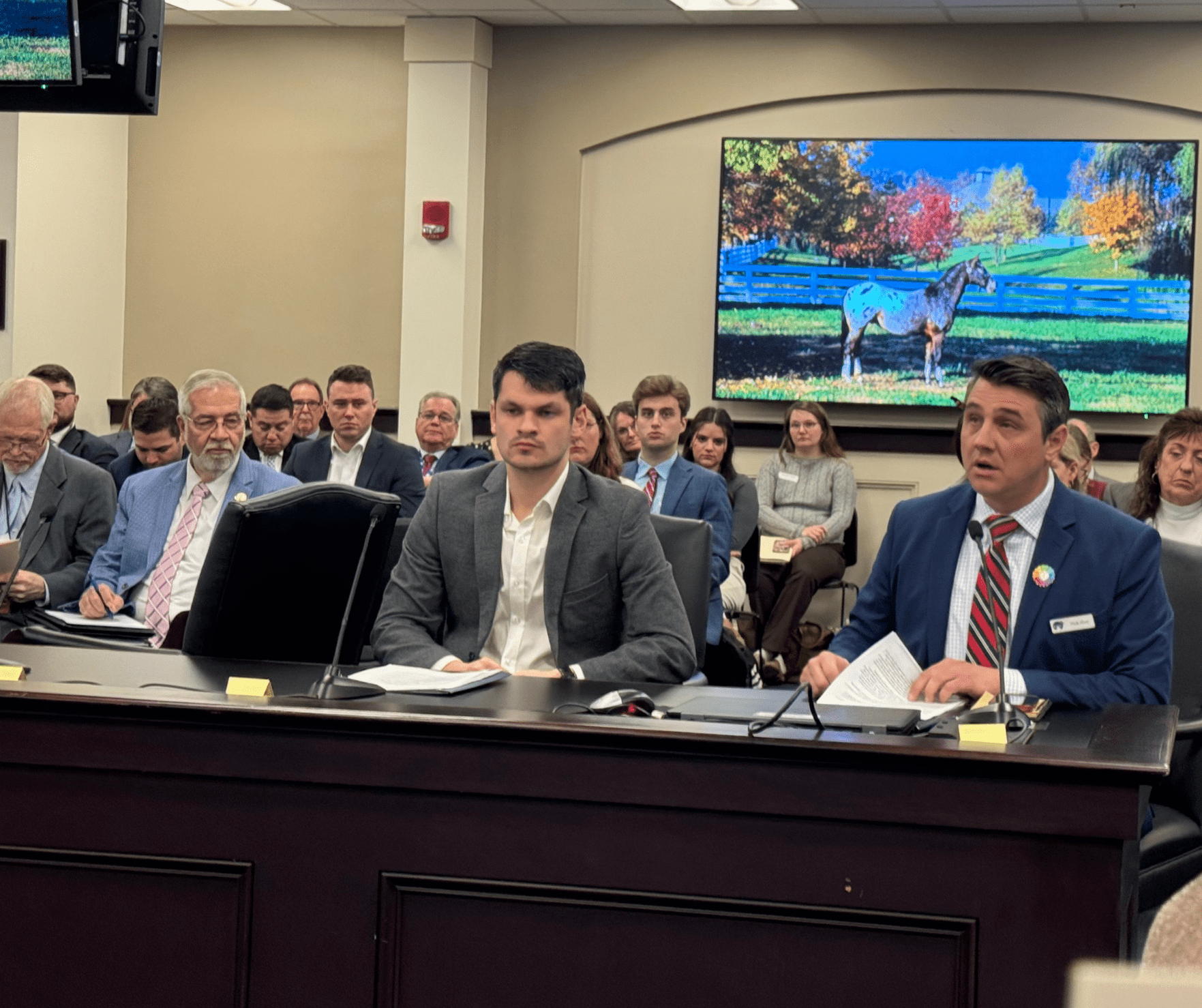
We also engaged directly in the legislative process through testimony, witness preparation, opposition letters, and coordination with members of the General Assembly. And we built relationships with public health organizations, bringing them into the conversation in a way that reflected what the bill actually did.
What made that kind of rapid response possible is we weren’t starting from scratch. In 2025, we were part of a major campaign opposing a coal-backed bill weakening water quality protections that ultimately passed, but forced coordination that hadn’t existed before. We didn’t win that fight, but it did engender, to paraphrase the great writer Rebecca Solnit, a sense of success without victory.
So when SB178 emerged, we were able to move immediately.
After the bill moved out of committee, it stalled in the full Senate . That reflected a coordinated effort to show there was meaningful opposition, not just from organizations, but from a broader public that understood what was at risk.
What made the difference in your fight against SB178?
Constituent pressure was essential in preventing SB178 from advancing. Legislators reported high volumes of calls and emails and were reluctant to advance the bill under sustained public scrutiny.
This public pressure—combined with the failure of SB178 supporters to amass a unified, vocal industry backing—made the bill not worth the political risk. A more competitive reelection environment this year likely also contributed to the outcome.
What could advocates in other states and communities learn from Kentucky’s SB178 campaign?
The first lesson is about clarity. These bills are written to be hard to read on purpose. If you can break them down quickly—translate abstract language into plain terms and make the consequences tangible—you can get out ahead of the opposition’s framing.
The second is about staying ready. What we were able to do in Kentucky took time. You need a base of people who are already paying attention, somewhat informed, and able to act when asked. That comes from sustained investment in civic infrastructure: relationships, communication channels, and a shared sense that these issues matter and engagement makes a difference. Without that, even the best messaging won’t move quickly enough.
And that work doesn’t end when a bill dies. We fully expect some version of SB178 to come back in 2027. We need to keep people engaged to carry momentum forward.
Let’s not forget that this is a national fight; these bills are variations on a shared template. We learned from others, and others are now learning from what happened in Kentucky.
NWF’s state affiliate network allows our national organization to hear about emerging policy threats from local groups, encourage cross-state coordination, and combine resources to respond rapidly—as this Kentucky example shows. The collaborative leadership of Kentucky Waterways Alliance in opposition to SB178 contributed greatly to halting the bill, and we hope others learn from the multi-year mobilization and awareness-building that made this outcome possible.
Michael Washburn is the Executive Director of Kentucky Waterways Alliance, a statewide nonprofit that protects, restores, and advocates for Kentucky’s waterways through policy, restoration, and community engagement. With a background in the public humanities, he approaches environmental work as a form of civic infrastructure—helping communities see clearly, participate meaningfully, and shape decisions that affect their water and their future. You can reach Michael at michael@kwalliance.org.
Jenny Tompkins is the Senior State Water Policy Manager at the National Wildlife Federation Action Fund. Jenny would love to discuss opportunities to collaborate on state and local water policy campaigns. You can reach Jenny at jennytompkins@nwa.org.
