












We have much more to do and your continued support is needed now more than ever.
On the Other Side of the Fence
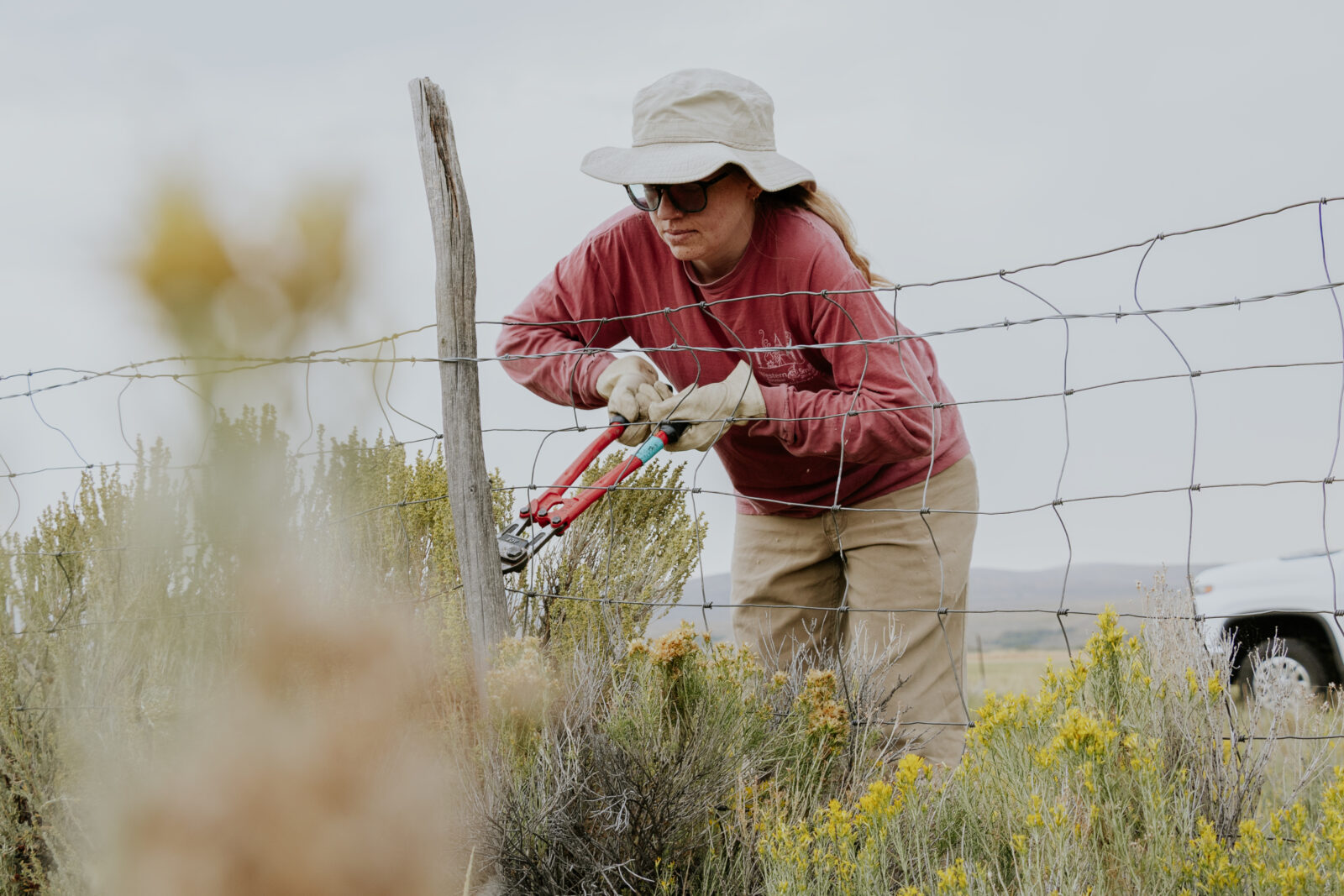
Credit: Tanner Saul
I was just outside Dillon, a small town in southwest Montana, when I waded out into a sea of sage brush. It’s easy to overlook, but this hardy, native plant is the lifeblood of the landscape, providing food and shelter for countless species that call it home. Soon, I was stopped short by a wire fence, old, rusty, and all-too ubiquitous on the Western landscape.
It took me right back to my days as a wildlife biologist, tracking pronghorn from a helicopter. I’d follow their trails until they led to a fence, and too often, I’d spot one caught—a leg twisted in barbed wire, unable to break free. It was a sight that never got easier. These are creatures built for endurance, capable of crossing entire counties in search of food or safety. Yet, for all their strength and grace, a few strands of wire can undo them. Decades of ranching has left behind a maze of fencing that blocks the migratory paths pronghorn depend on for survival.
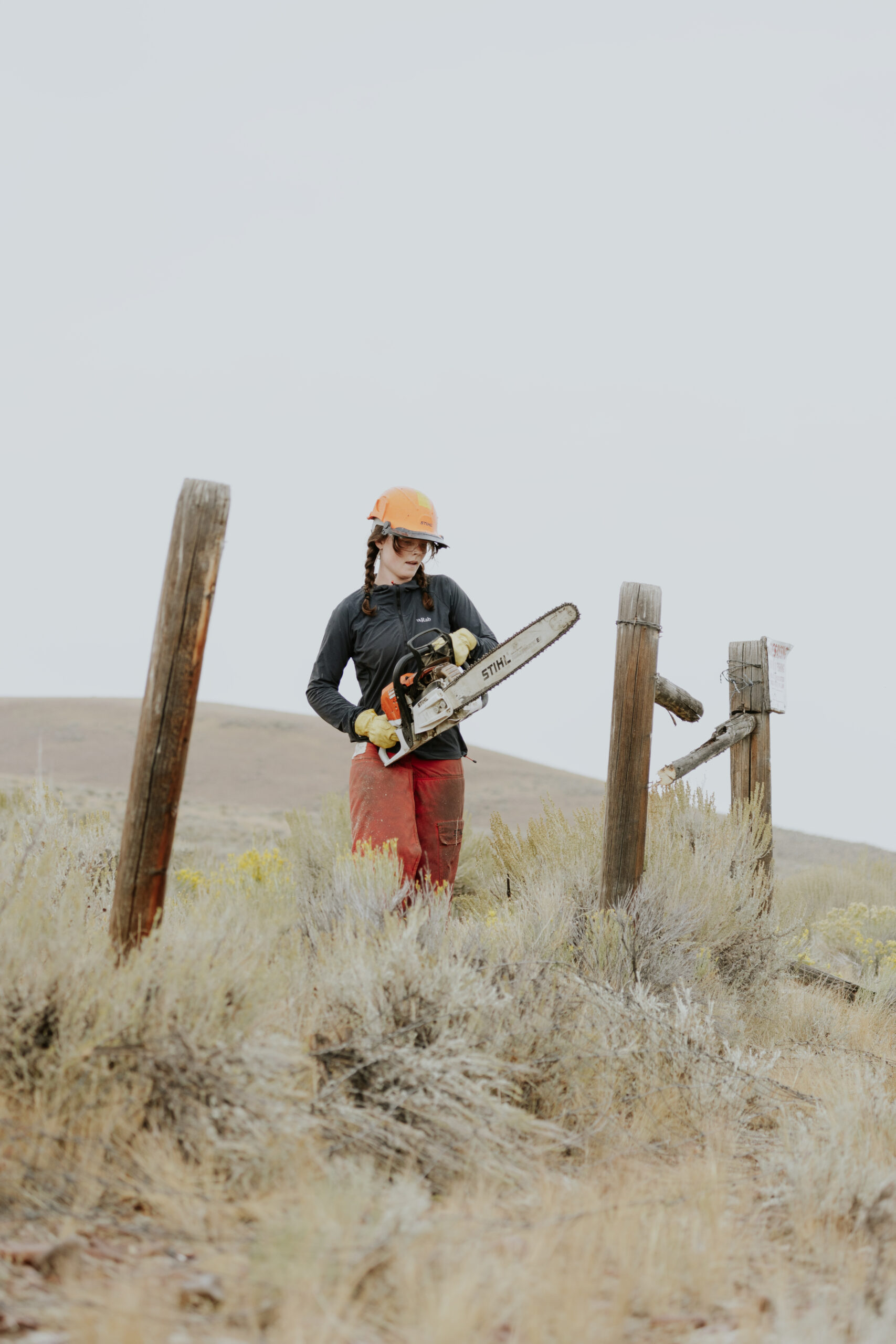
This time, though, I wasn’t in the air—I was on the ground. Boots in the dirt, working with volunteers to remove aged-out fencing to allow pronghorn to have a safe passage.
Pronghorn Behavior 101
It’s a smart, win-win solution for people and wildlife. But to understand why, it’s worth taking a quick dive into the basics of pronghorn behavior. Pronghorn are the second fastest land mammal worldwide. Outrun by only one animal on earth—the cheetah. Built for speed, their bones are nearly hollow. Their fur, which falls off easily, gives them a defense mechanism: anything that tries to bite them gets a big mouth full of fur. Though pronghorn are fast, coyotes can readily catch up with them if they are injured or traveling with a fawn. Pronghorn are known for their epic migrations, criss-crossing vast landscapes. Here in southwest Montana, one pronghorn was recorded traveling 122 miles for its spring migration.
Yet for all the benefits that evolution has afforded the pronghorn, pronghorn can’t jump.
That’s a big problem considering that the West is a wild tangle of more than 600,000 miles of highly impermeable fencing. By tracking wildlife corridors with ever-evolving mapping technology and GPS collars, we can better pinpoint the bottlenecks in migration routes. From there, it’s a matter of replacing or removing fences that contain livestock with a wildlife-friendlier option that permits pronghorns to pass.
One mile at a time
Pronghorn migration routes have passed down from one generation to the next, enduring for centuries. Reinforceing the importance of the work to ensure their movement across the landscape. Movement is survival.
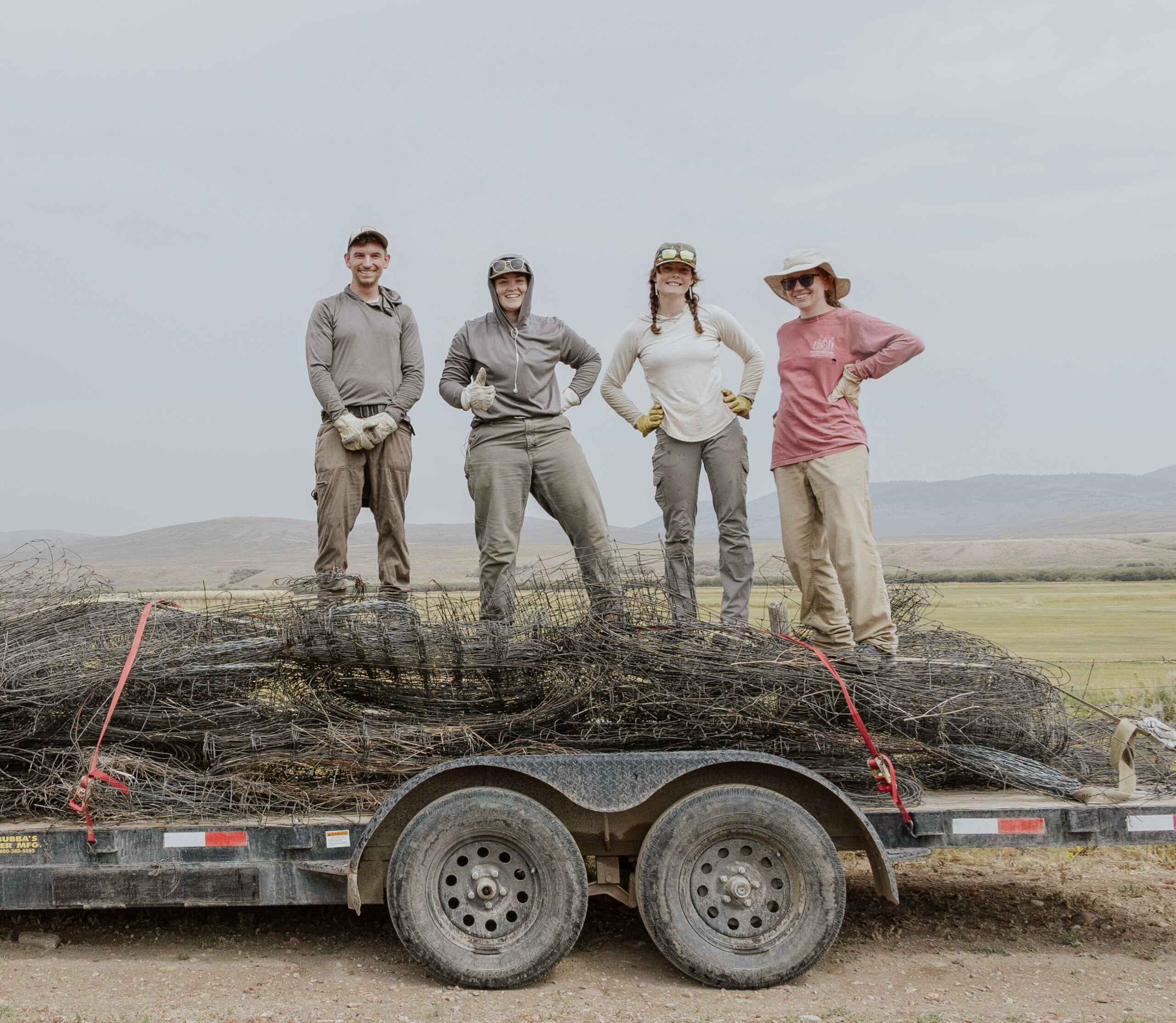
As I looked out over those rolling Montana hills, the peaks already dusted with early snow, I thought about the herds that would soon make their way down to the sagebrush flats for winter. Though we didn’t see any pronghorn that day, our work was smoothing the transition between summer and winter ranges. While getting dirty, pulling fences alongside volunteers and working toward total exhaustion, I realized how much I wanted to be there for these animals that I care about. By year’s end, we’ll have 15 more miles of fence replaced—part of almost 80 miles since 2021.
It’s a Herculean effort, but we have to start somewhere, and I’m convinced we’ll get there.
One fence at a time.
One mile at a time.
NWF is working with partners to reconnect and restore the pronghorns’ ancient routes. This video illustrates the challenges the pronghorn still face.
Mile by mile, we can make a difference. This video illustrates the impact wildlife-friendly fencing can have on pronghorn migration.
