











We have much more to do and your continued support is needed now more than ever.
Rolling Back Bonding Reforms Threatens Wildlife, Clean Water, and Taxpayers

Moose. Credit: Alec Underwood
The Department of the Interior announced it will roll back important safeguards that protect wildlife, clean water, and taxpayers by proposing to repeal oil and gas bonding reforms on public lands. These commonsense reforms were designed to ensure that oil and gas companies—not the American public—pay for cleaning up drilling sites when operations end.
That principle should not be controversial. If a company profits from extracting resources from public lands, it should also be responsible for restoring those lands when the work is done. Unfortunately, that hasn’t always happened.
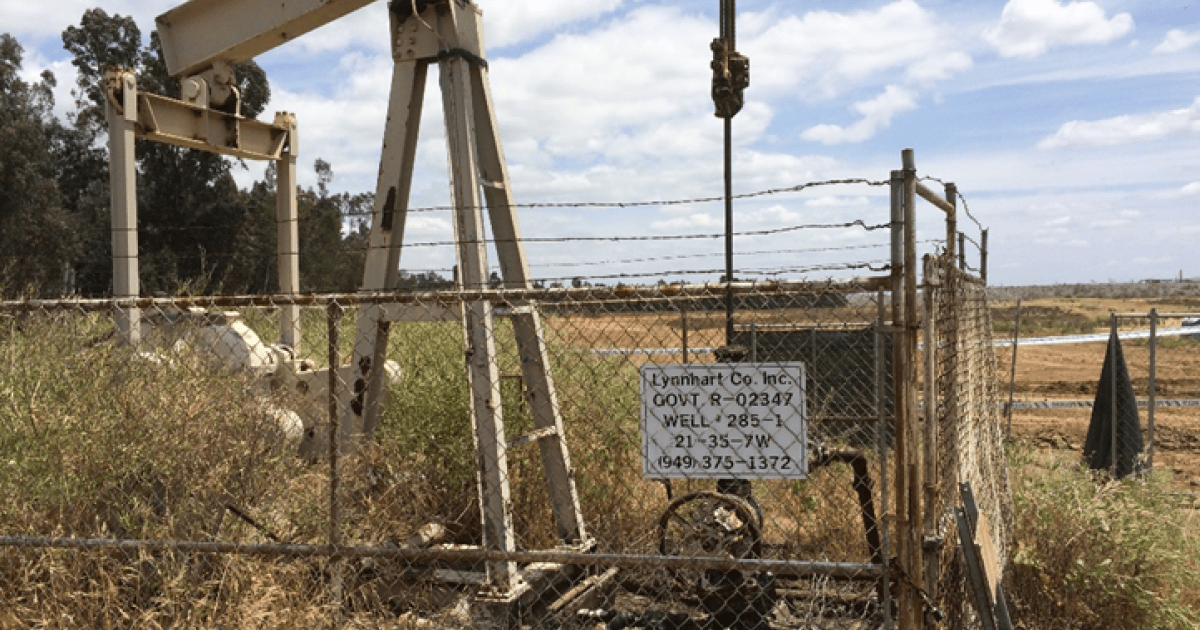
Across the country, tens of thousands of abandoned and orphaned oil and gas wells remain scattered across the landscape. Many of these wells leak methane, contaminate groundwater, degrade wildlife habitat, and pose safety risks to nearby communities. In many cases, the companies responsible for drilling either went bankrupt or walked away, leaving taxpayers to shoulder the cost of cleanup.
The bonding reforms adopted two years ago sought to address this longstanding problem by updating outdated requirements that had not kept pace with the true cost of cleanup. For decades, bonding amounts remained so low that they often covered only a fraction of what it costs to reclaim a well site. The reforms helped ensure that companies provided adequate financial guarantees before drilling began, reducing the likelihood that taxpayers would be left holding the bill later.
At a time when Americans are concerned about energy prices and economic stability, it is important to recognize that responsible energy production and strong environmental safeguards are not mutually exclusive. Last year, the United States produced more oil and gas than any country in the world while still generating substantial profits AND charging fair bonding rates. In other words, we have already demonstrated that we can produce energy while protecting the lands and waters that Americans value. We do not need to choose between energy development and conservation. We can—and should—do both.
Repealing these bonding reforms would move us in the wrong direction. It would increase the risk that more cleanup costs are shifted onto taxpayers, while creating new threats to wildlife habitat, water resources, and public lands. It would reward irresponsible actors while undermining companies that already operate responsibly and plan for reclamation costs.
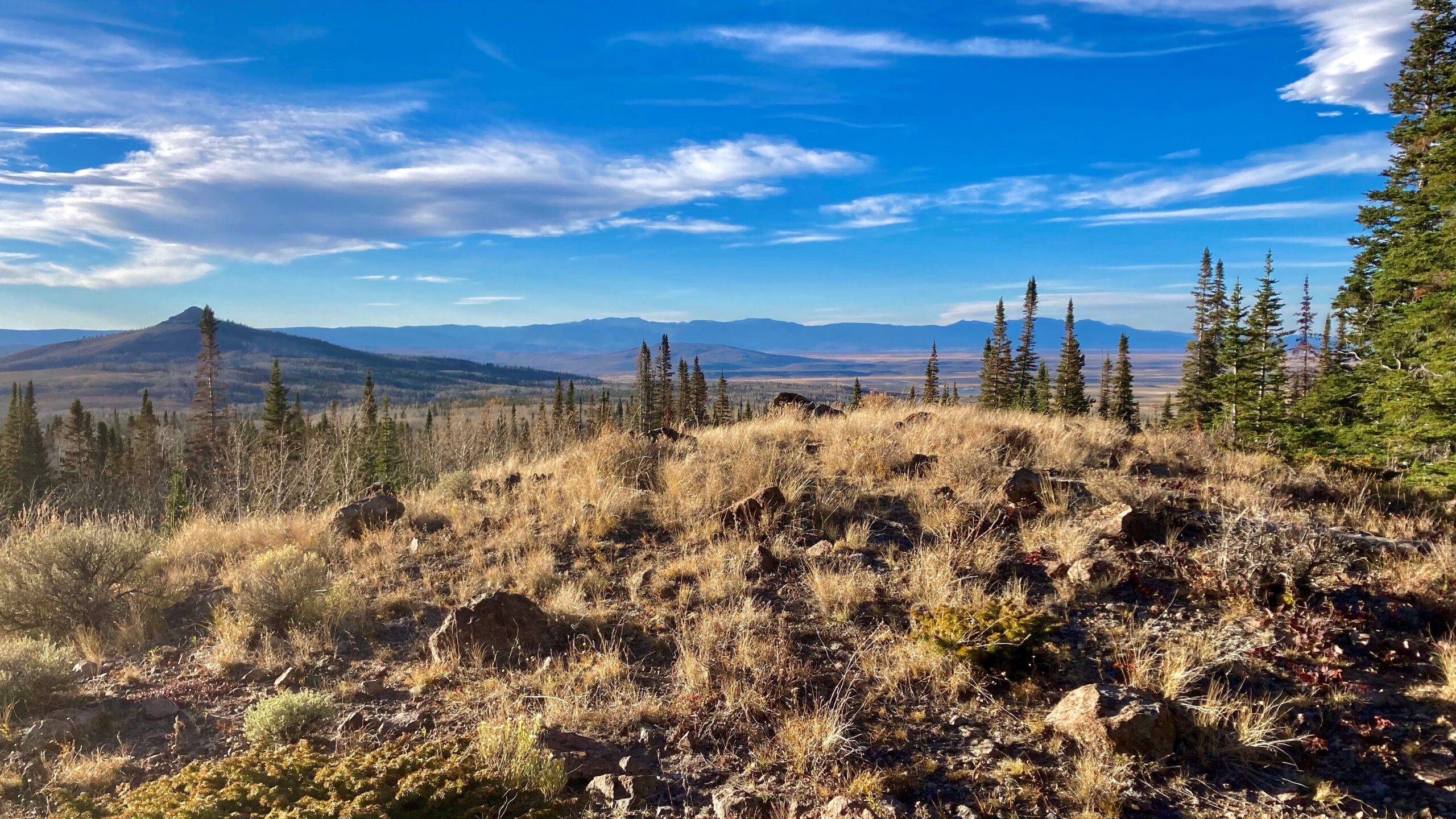
Public lands belong to all Americans. They support wildlife, provide clean water, sustain outdoor traditions, and contribute billions of dollars to local economies. Protecting these lands means ensuring that those who profit from developing them are also responsible for cleaning up after themselves.
Rather than dismantling commonsense safeguards, policymakers should keep them in place to protect taxpayers, hold industry accountable, and ensure that future generations inherit healthy, productive public lands.
