






We have much more to do and your continued support is needed now more than ever.
Meet the Neighbors Helping Wildlife Thrive: 5 Trees for Wildlife Triumphs in 2026
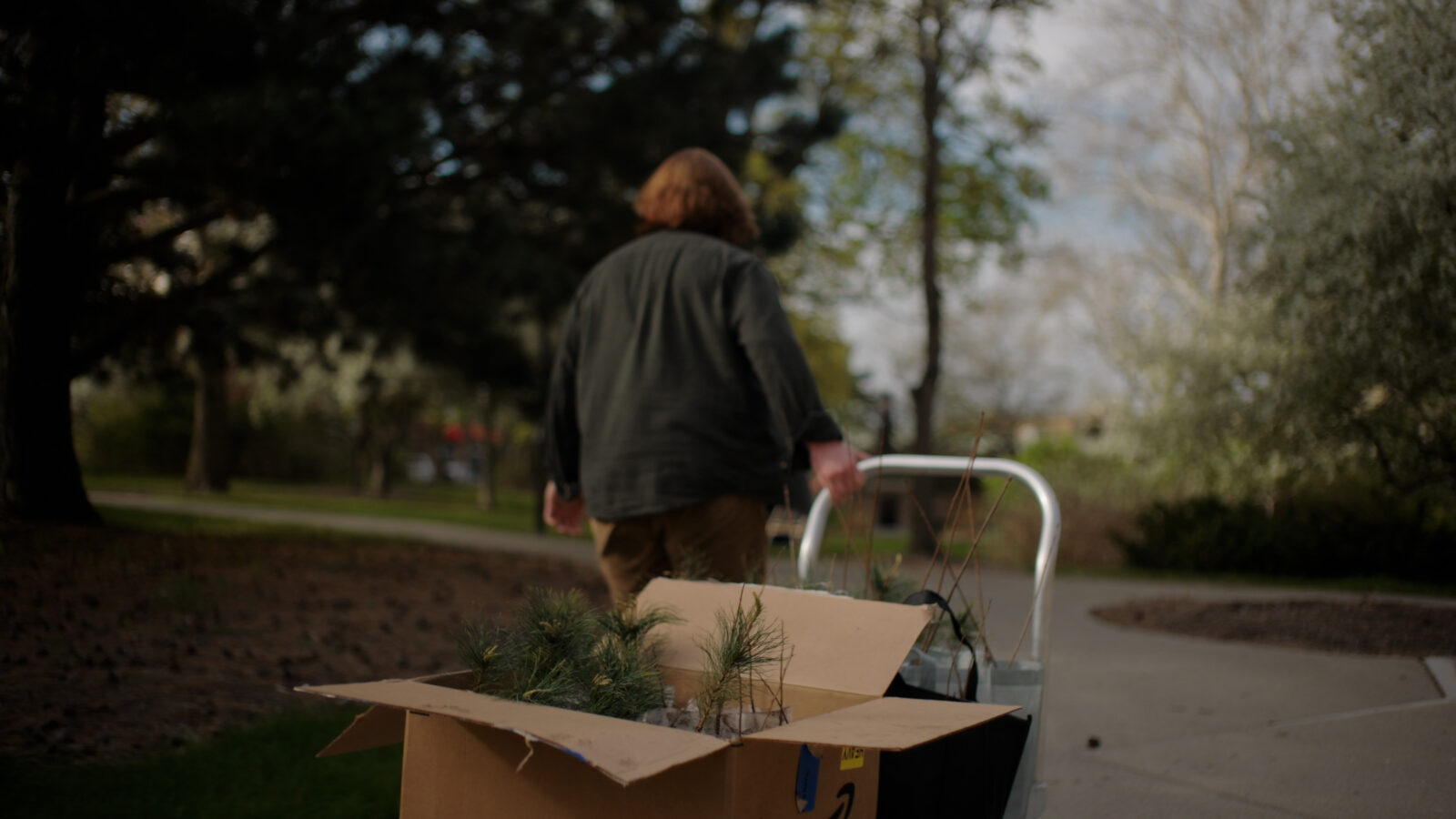
Toting seedlings at the University of Michigan-Flint. 2026. Credit: Flint Michigan Films
Native trees are some of the best neighbors a community can have. Their branches provide homes for nesting birds, their flowers feed hungry pollinators, and their roots protect waterways and reduce flooding. They also make our neighborhoods healthier by cooling down streets, cleaning the air, and creating safe places to gather. Every native tree strengthens the community around it, benefiting both wildlife and the people who call it home.
Want to know which tree you’re most like? Take our native tree quiz here!
What is Trees for Wildlife™?
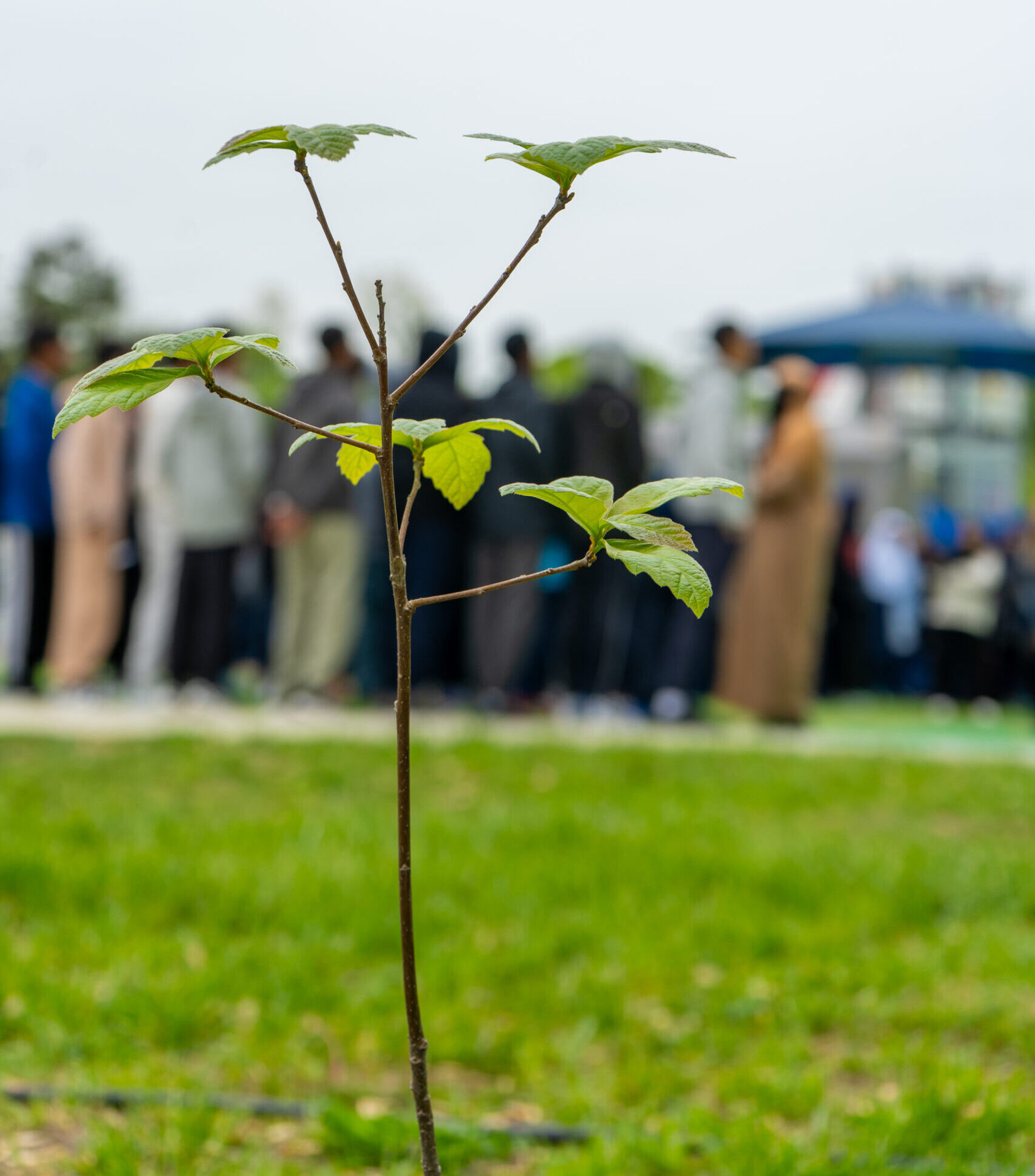
The National Wildlife Federation’s Trees for Wildlife program helps grow the population of good neighbors by providing free or subsidized native tree seedlings to partners across the country who plant them through local habitat restoration projects or distribute them at community tree giveaway events.
Thanks to generous donor support, schools, nonprofits, municipalities, and conservation organizations are enabled to launch projects that create lasting benefits for both wildlife and the communities that care for them.
Some native trees are especially valuable because they support an extraordinary number of wildlife species. Known as keystone plants, these species form the foundation of healthy ecosystems. Planting them ensures that butterflies, native bees, birds, and other wildlife have the best chance of success.
2026 by the Numbers
In 2026, the Trees for Wildlife program helped distribute nearly 70,000 native trees representing more than 50 different types of trees. Among them were 16 keystone plants that support close to 500 species of butterfly and moth caterpillars.
Through these projects, partners helped restore habitats after natural disasters, increased future food availability for wildlife, and inspired people of all ages to connect with nature.
Through our partners outreach and activities, we engaged with nearly 23,000 people, giving them the opportunity to take part in hands-on conservation projects where they live, worship, and play. These five stories offer a glimpse into this year’s impact:
Partner Spotlights
University of Michigan-Flint | 500 trees
Sugar maples are great neighbors. Beyond producing the sap used to make maple syrup, sugar maples supply food for many mammals and insects while providing woodpeckers and other birds a safe area to nest.
To help students discover the value of native trees like the sugar maple, the University of Michigan-Flint hosted Genesee County Middle School for their Super Science Friday event where students traded in the classroom for hands-on learning in the great outdoors.
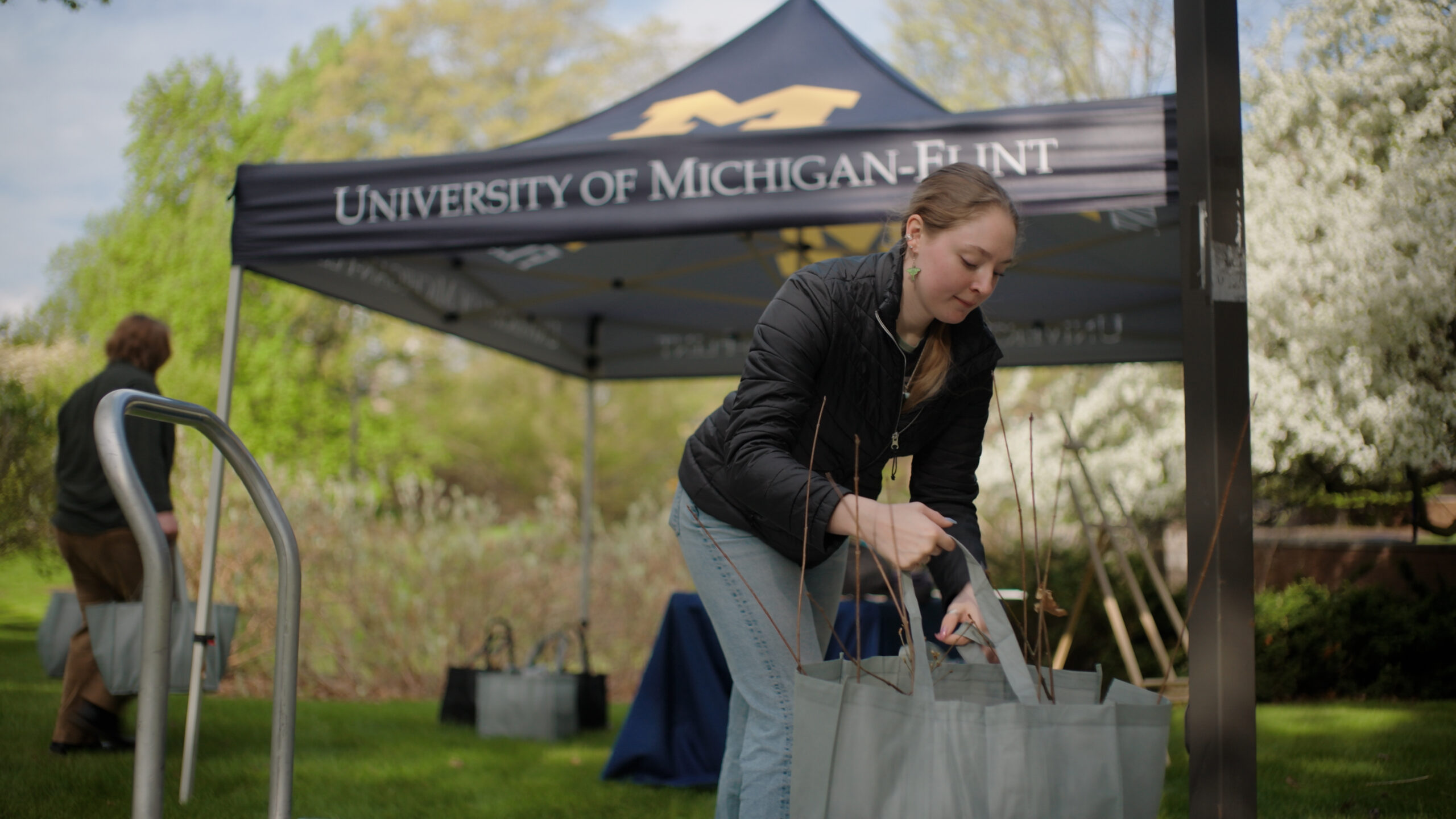
They explored forest ecology, practiced tree identification, and learned forestry skills alongside UMF wildlife biology students and faculty. The event provided the children with a greater understanding of the importance of trees in their communities and ecosystems while the planting of seedlings throughout campus will benefit local wildlife for years to come.
Tennessee Environmental Council (TEC) | 40,000 trees
Harsh winters often take a toll on both people and wildlife. For pollinators, the first taste of spring comes from the Eastern redbud, a tree whose pink and purple blossoms bloom even before its leaves emerge after each long winter, providing an early nectar source for bees and butterflies. The tree even serves as the host plant for the specialized bee Habropoda laboriosa.
Protecting these early signs of spring became a shared mission among thousands of Tennesseans. Following the devastating ice storms that damaged and destroyed thousands of trees across the state, more than 4,500 volunteers participated in the 12th annual Tennessee Tree Day to help plant 40,000 Trees for Wildlife seedlings!
Thanks to the incredible planning efforts of the TEC pickup sites were set up in all 95 of Tennessee’s counties for the first time in the event’s history. This exceptional feat showcases how communities coming together can have a tremendous impact on restoring wildlife habitats after natural disasters.
Chesapeake Conservation and Climate Corps & Islamic Society of Baltimore (ISB) | 100 trees

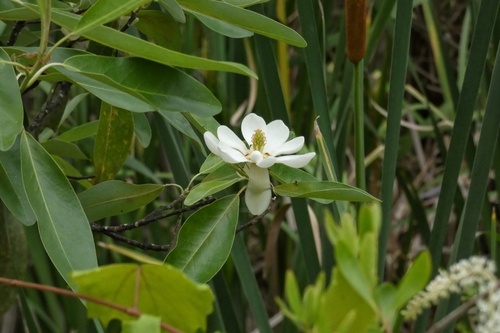
Sweetbay Magnolias thrive where other trees struggle. Well adapted to swampy soils, they help stabilize flood-prone areas while supporting insects. They are pollinated by beetles that covet the tree’s aromatic white flowers and also serve as the host plant for the sweetbay silkmoth and tiger swallowtail butterfly.
These unique qualities made this tree an ideal species for an Earth Day planting event hosted by the Chesapeake Conservation and Climate Corps and the ISB. Together with students from Al-Rahmah School, volunteers planted native trees across the ISB campus. Located within a floodplain, the location provided the perfect setting for water-tolerant species, which will help reduce stormwater runoff while creating healthier habitat for wildlife and the surrounding community.
West Atlanta Watershed Alliance (WAWA) with the support of Allied World | 100 trees
Persimmon trees generously provide for the wildlife around them. Their fruit feeds birds and mammals well into fall and winter, while their spring flowers offer nectar and pollen for native bees, making them valuable neighbors throughout the year.
With generous support from Allied World, WAWA transformed what could have been a simple Arbor Day event into their 19th annual Urban Forest Fest, which was a multi-day celebration of community, creativity, and connection to nature.
Residents were invited to participate in guided hikes, take workshops for poetry and photography, and bring home one of the 130 trees given away at the events. With 70 trees remaining, WAWA and its volunteers banded together to plant the rest in designated locations throughout Atlanta, creating lasting habitat across the city.
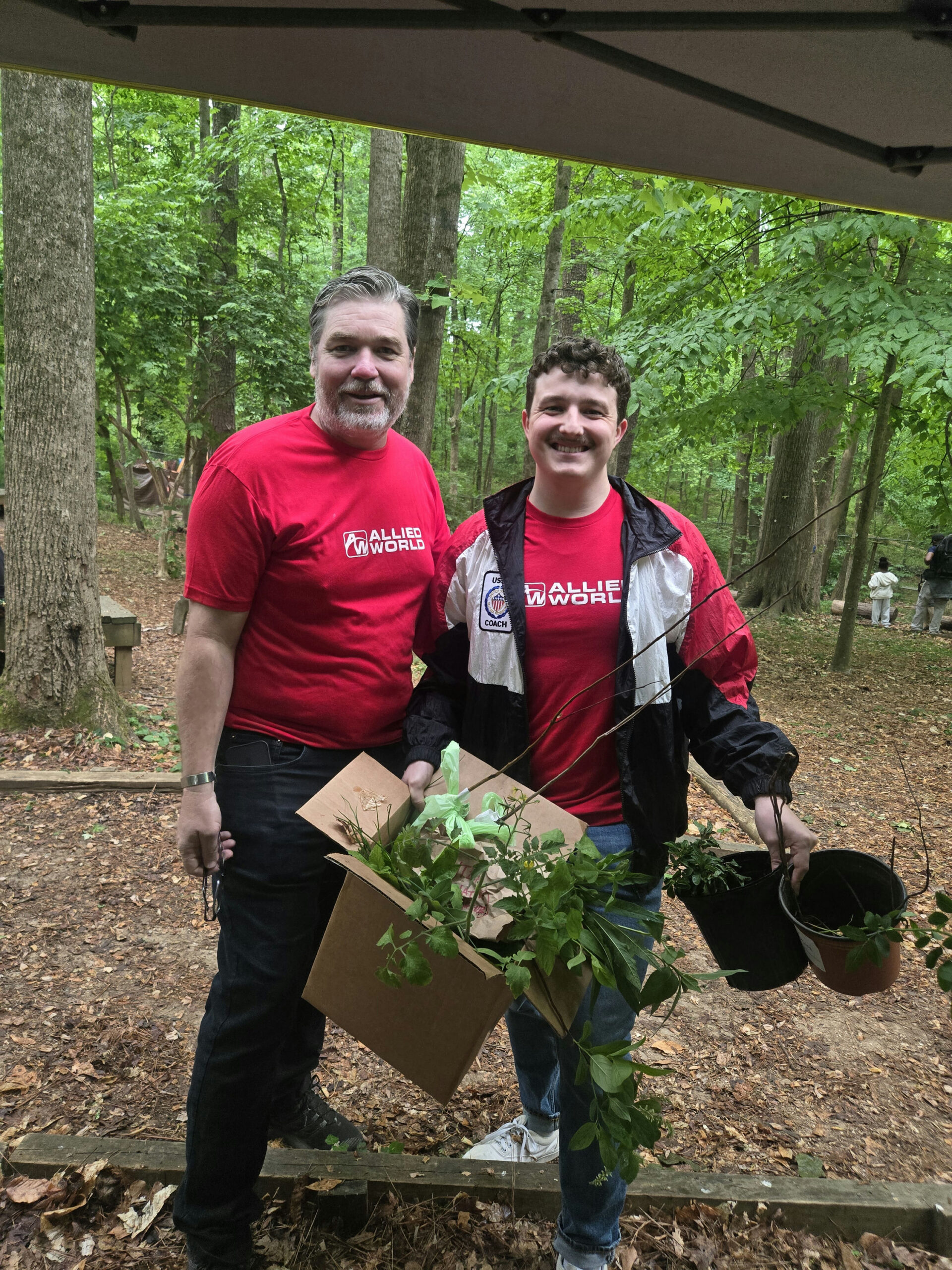

North Carolina Wildlife Federation | 8,700 trees
Towering American sycamores have a huge impact on wildlife. These gentle giants that grow to heights of 100+ feet have an affinity for aquatic environments and are often found on the banks of rivers and streams. Their cavernous trunks create ideal nesting sites for birds like the wood duck and the iconic bald eagle. The tree’s expansive root system also helps stabilize fragile riverbanks and shorelines to protect them from erosion.
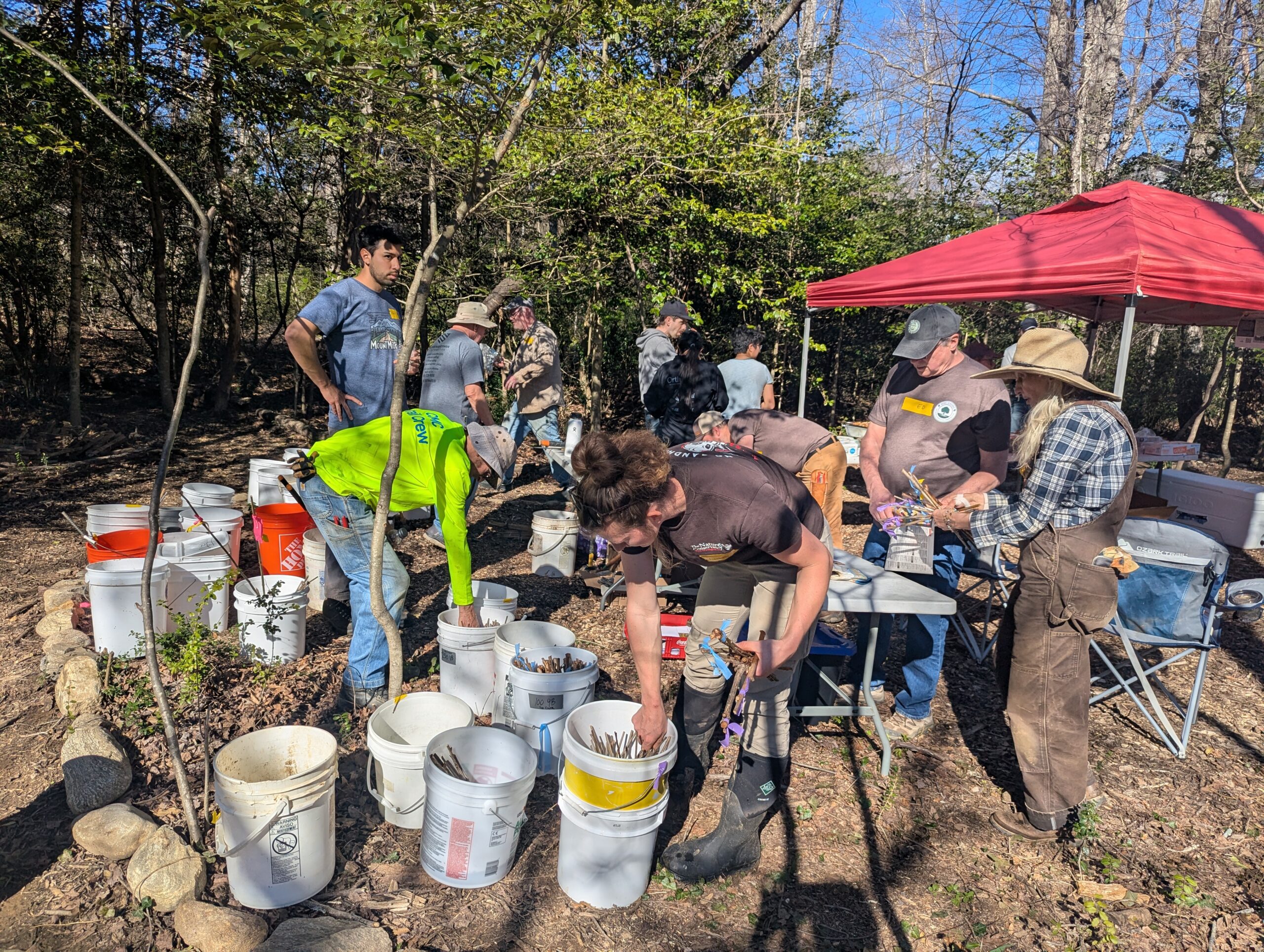
In North Carolina, native trees like the American sycamore have become an important part of the region’s recovery following hurricane Helene in 2024. Working alongside local partners, the North Carolina Wildlife Federation distributed thousands of Trees for Wildlife™ seedlings to landowners and communities across the state, helping protect against future erosion, reduce invasive species, and restore critical wildlife habitat.
This incredible work has not gone unnoticed: while working on the Watauga River, volunteers were greeted by a group of paddlers and anglers who thanked them for working to protect the waters they know and love.
More to Explore
- Want to see more of this year’s projects? Click here to explore our 2026 Event Summaries to learn how Trees for Wildlife partners are making a difference around the nation.
- To see more photos and learn where native trees are being planted, take a look at our interactive Trees for Wildlife Impact Map!
Help Future Trees for Wildlife Projects Take Root
Native trees are the neighbors that make every community stronger. They provide shelter, protect waterways, clean our air, and create healthier places for us all to live. As forests continue to disappear and wildlife habitat is fragmented by development, these pillars of our communities are being lost.
With your support, Trees for Wildlife™ can further invest in the future by putting native seedlings directly in the hands of community members so they can restore habitat, strengthen ecosystems, and create more resilient communities for generations to come.
