


We have much more to do and your continued support is needed now more than ever.
The United Nation’s New Climate Report: What to Know and What You Can Do
We may be on the wrong path to addressing climate change, but it’s not too late to correct course and limit the harm, concluded a new report on climate change from the United Nations Environment Program (UNEP) released last month.
Despite progress to reduce global greenhouse gas emissions, the world is on track to “overshoot,” or exceed the Paris Agreement’s previously set global warming limit of 1.5°C (3.3oF) of average surface temperatures above pre-industrial levels in the next few years—at least temporarily.
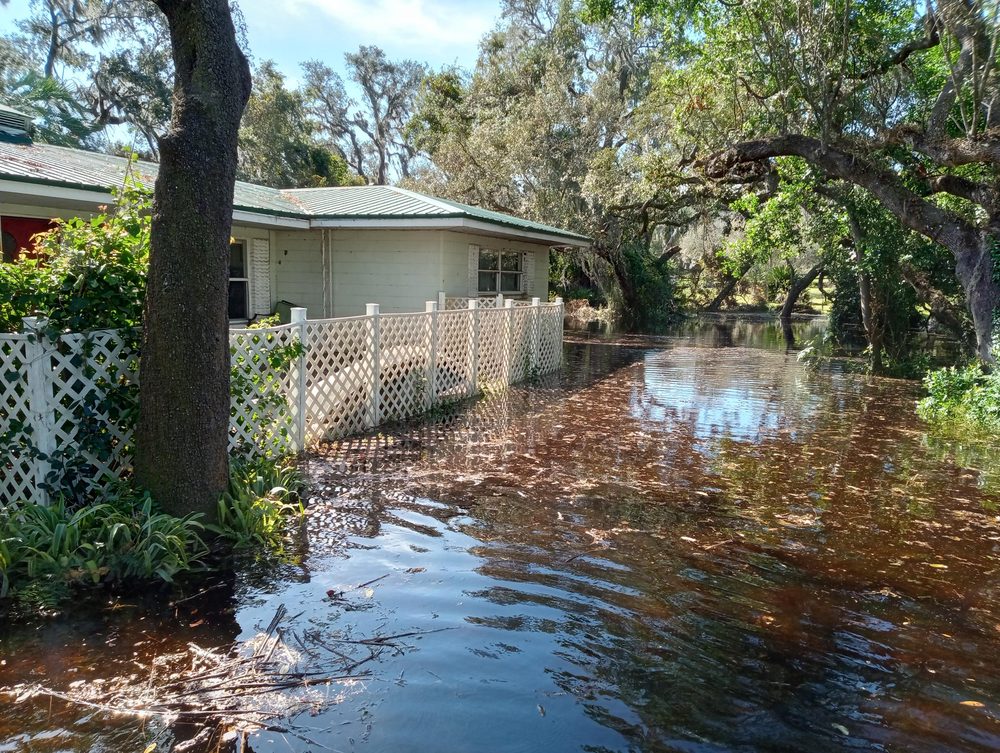
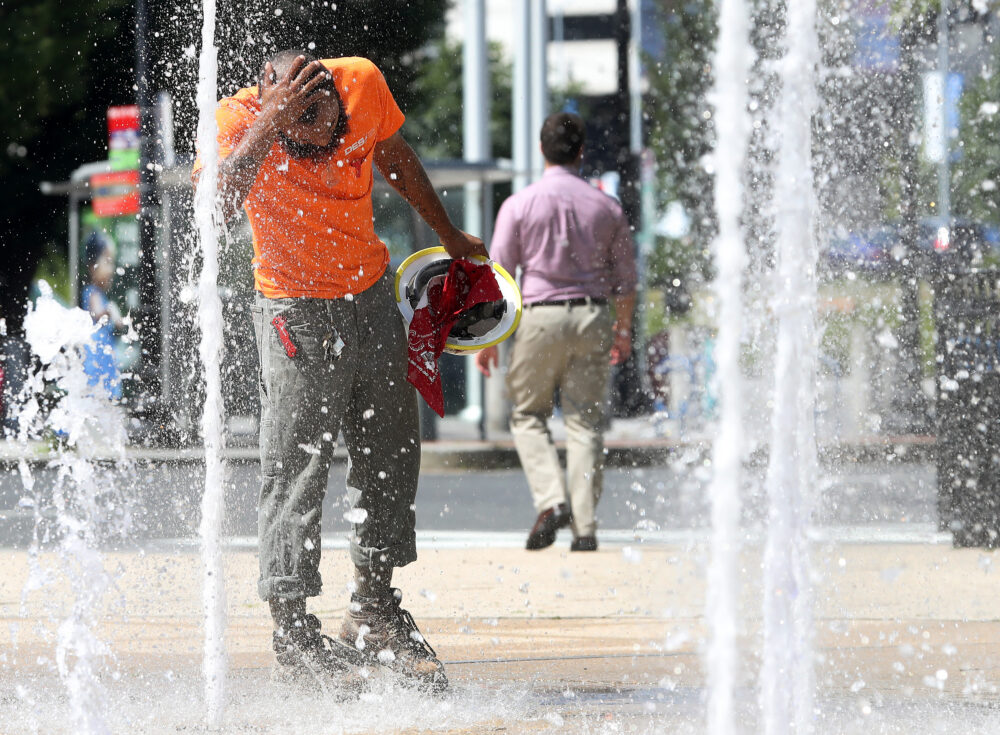
This amount of warming may not sound like a lot, but for our planet, it’s enough to cause sizable shifts in suitable habitat for many plants and animals, intensify extreme weather events such as heat waves and droughts, flood coastal communities, and increase the likelihood of an ice-free summer in the Arctic. And these risks will increase as warming increases. Limiting the “overshoot” above 1.5oC and bringing global temperatures back down will require removing more carbon pollution from the atmosphere than we emit.
Our actions today will determine the risks of tomorrow, the report emphasizes. The lower we keep Earth’s warming, the lower the risks to ecosystems, communities, and economies. The less time we spend in overshoot, the lower the likelihood of crossing tipping points and other irreversible impacts. And the sooner we reduce emissions, the greater the opportunity to avoid losses in the most fragile ecosystems and the most climate-vulnerable communities.
This isn’t the time to give up—this is the time for all hands on deck. Keep reading to learn more.
How does climate change affect wildlife conservation?
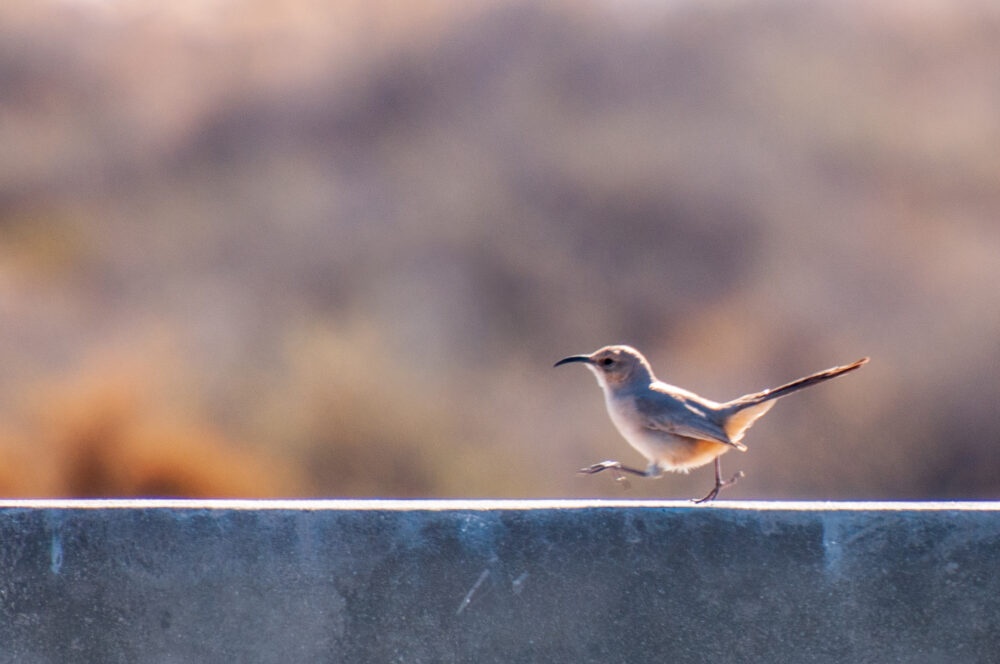
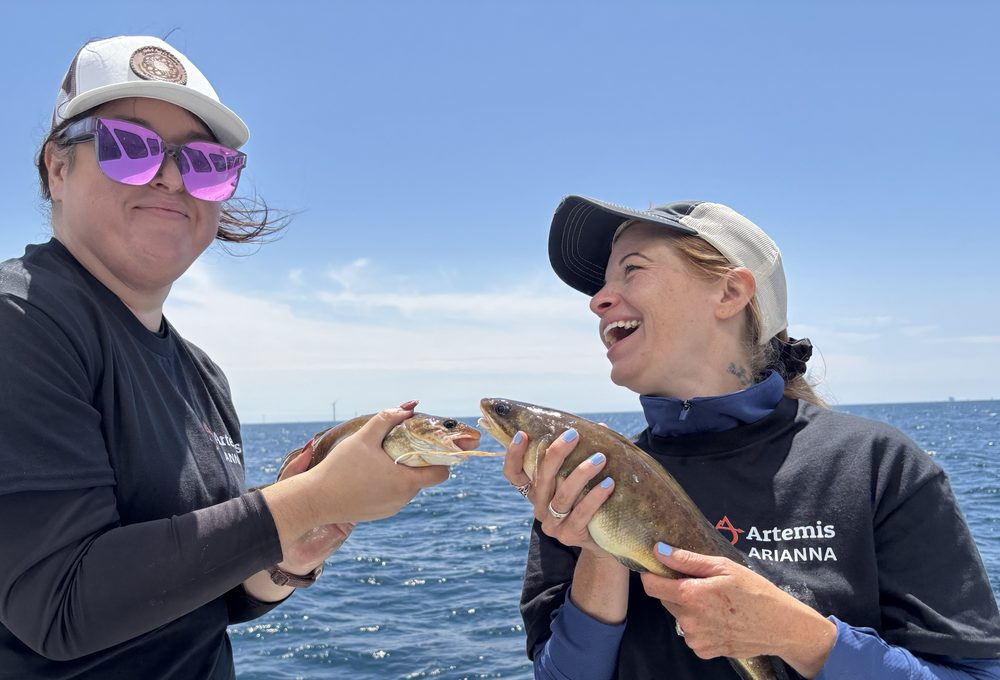
Climate change poses ever-growing risks to biodiversity conservation and multiplies the impacts of other threats such as pollution and invasive species. We’ve already seen the first climate-driven extinctions and mass wildlife die-offs in terrestrial and marine environments driven by extreme heat.
The new report is clear: warming above 1.5oC will result in serious—and sometimes irreversible—impacts for ecosystems. Climate change will lead to ecological mismatches, species redistribution, and both direct and indirect effects of extreme weather. When these impacts lead to species extinction, as has already happened at least 20 times since global warming began, they are irreversible.
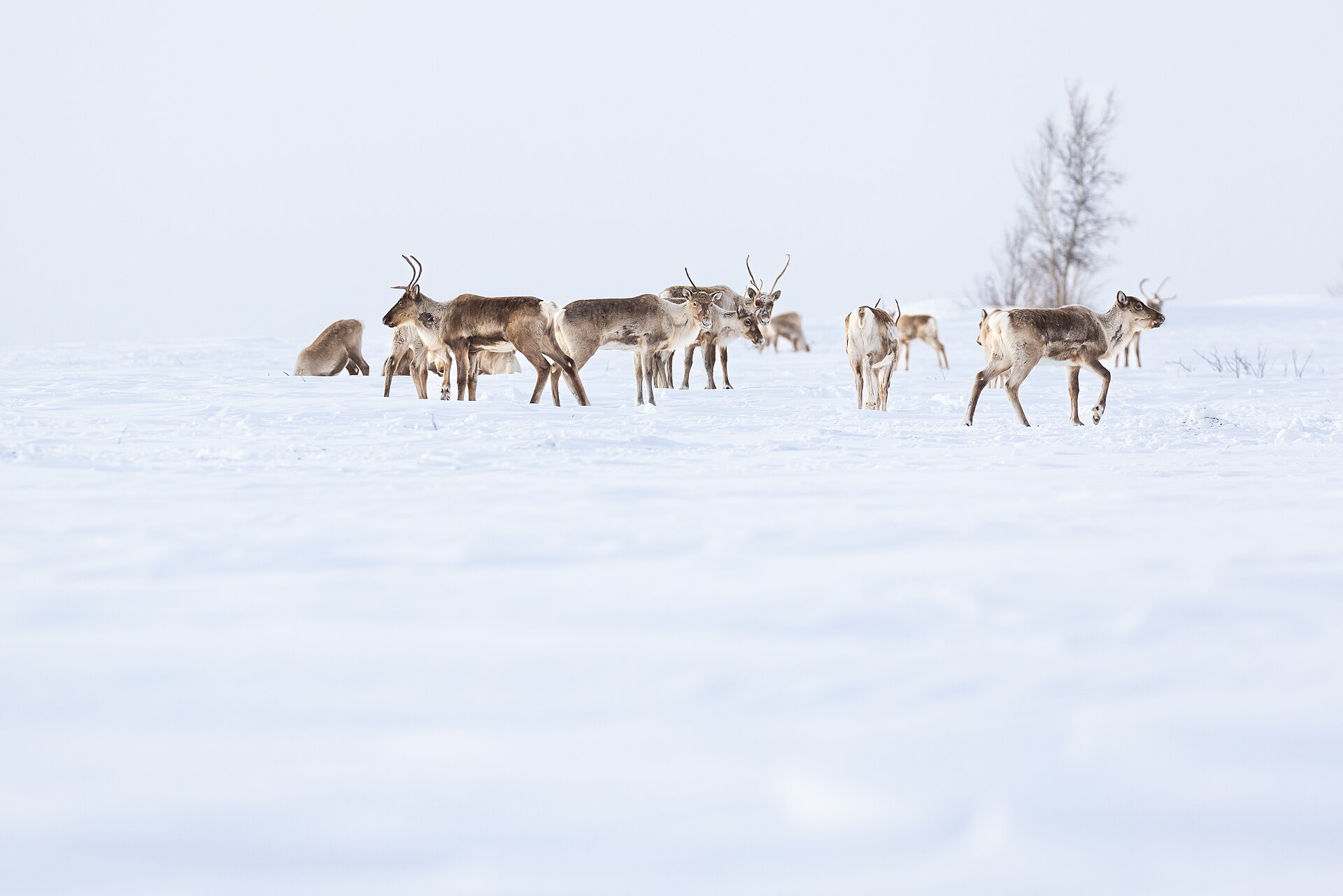
As warming continues, some ecosystems will be particularly vulnerable, including marine, montane, and polar ecosystems. And without adaptation, climate change may render some of our traditional conservation strategies ineffective.
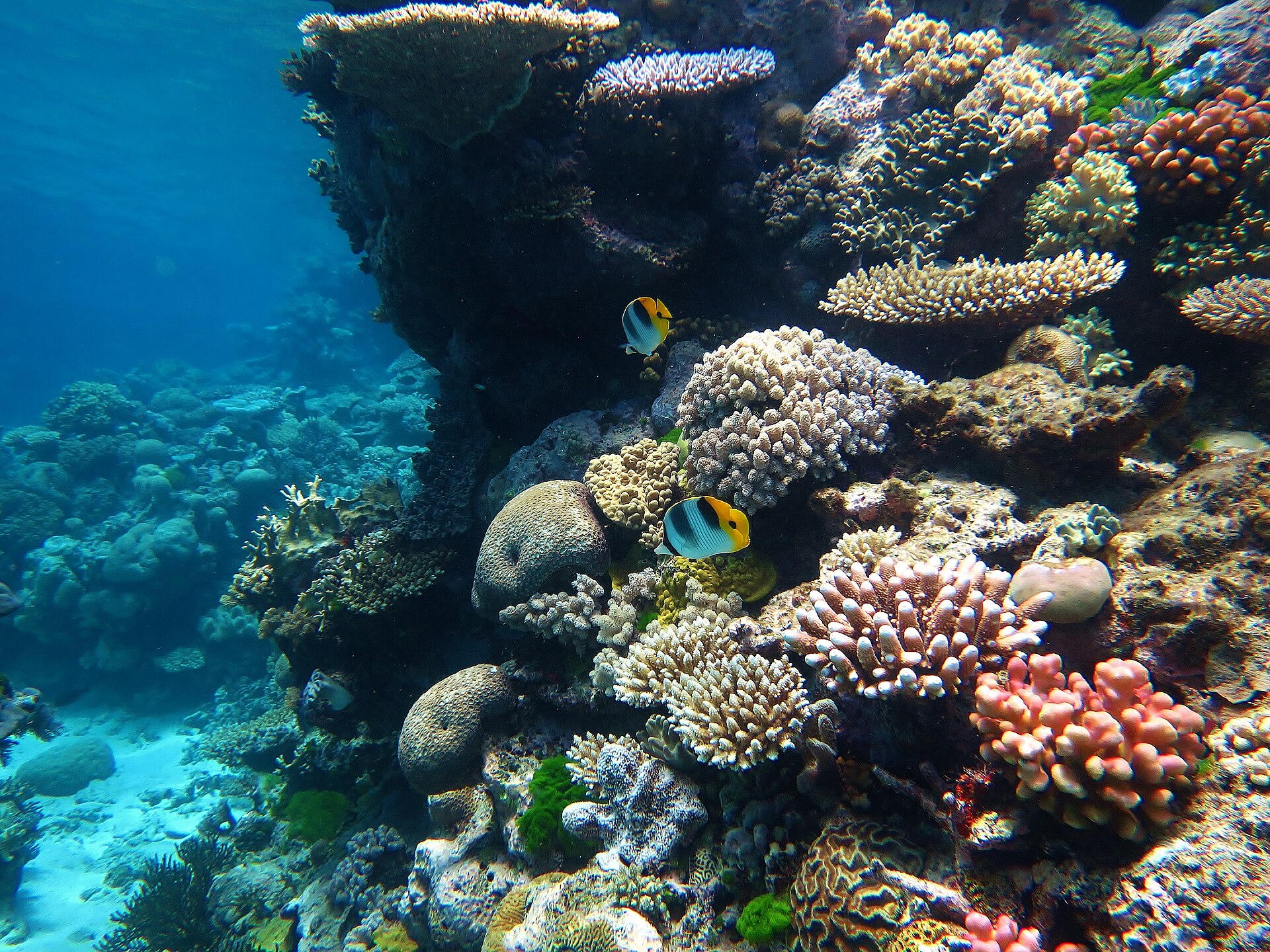
Exceedance of 1.5oC also increases the risk of irreversible “tipping points” in the polar ice sheets, the Amazon rainforest, and other systems. Warm-weather corals have a warming threshold of 1.2oC, and it is unlikely that corals would survive an extended period of time with temperatures above 2oC. Some of our most treasured ecosystems are at risk.
Other key takeaways
Here are five other things to know from the new report:
- Exceedance of 1.5oC threatens our communities and economies. Challenges related to food and water security, disease transmission, and air pollution will all intensify as warming continues, harming human well-being, reducing productivity, and imposing massive costs related to infrastructure and public health. Simultaneously, sea level rise poses serious risks to coastal communities and small island nations. Around the world, those who have contributed the least to warming will bear the greatest burden.
- Climate mitigation and adaptation must happen simultaneously. Mitigation refers to reductions in GHG emissions, and adaptations are strategies to cope with unavoidable warming. We can’t pursue emissions reductions without adaptation, and without emissions reductions, our adaptation strategies will prove insufficient. Instead, we need to think of mitigation, adaptation, and other efforts to enhance the resilience of ecosystems and communities as complements.
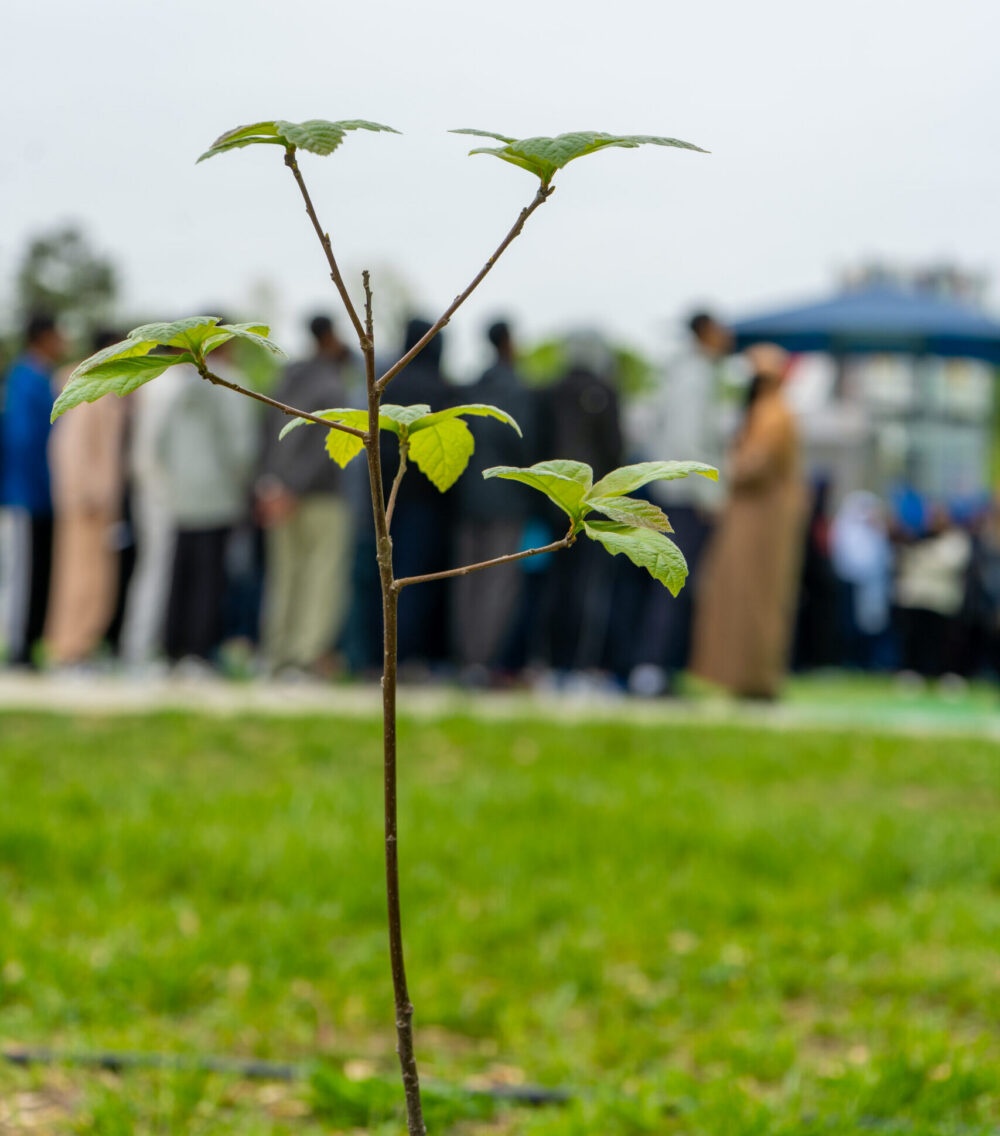
- Carbon dioxide removal (CDR) is essential—but it’s no substitute for cutting climate pollution. We’re now on a pathway that will require actively taking carbon dioxide out of the atmosphere through CDR, as we work to return temperatures to below the 1.5oC threshold. “Conventional” strategies to remove carbon from the atmosphere include reforestation and ecosystem restoration, while novel technological approaches include direct air capture systems with storage, which suck carbon from the air. All CDR strategies present trade-offs and risks. Ecosystem-based strategies are vulnerable to reversals that re-release carbon, for example, through wildfires or other disturbances—especially as the climate continues to warm—while technological strategies tend to be costly and less mature.
- We can’t afford further “carbon lock-in” that commits us to carbon emitting technologies for the long term. Investments in long-lived infrastructure, such as fossil fuel power plants or transportation systems, will constrain our options to reduce emissions in the future. That’s why the frenzy of investment in gas-fired power plants and delays in the retirement of coal-fired plants, stimulated by ballooning energy demand by AI data centers, is so concerning.
- We already have the solutions we need. We don’t have to wait for some new silver bullet. We can take readily available steps to reduce climate pollution across the economy, reduce high-impact superpollutants like methane, and conserve and restore ecosystems, including grasslands, mangroves, peatlands, and rainforests.
What You Can Do
The situation is dire, but it’s not time to give up hope. Every bit of warming matters—and the faster we can return from peak temperatures, the better.
It can feel overwhelming to realize that we’re on a pathway that will put many of the species, places, and people we love in harm’s way. But the new report’s very title, “Limiting Overshoot,” is a call to action and a reminder of the opportunity we have to avoid the worst impacts.
None of the actions below can solve this problem alone. It’s not the responsibility of individuals to solve the climate problem on their own. At the same time, we are far from powerless to make change, and we each have a part to play. Even in the face of a problem that seems much bigger than one person, your part matters. Here are some ideas to get started:
- Start local: Contact your local elected representatives and urge them to take action on climate change through nature-based and renewable energy solutions, or write an op-ed about the climate impacts and harms you’ve seen where you live. (Remember, much of the energy and transportation transition needed to address climate change will take place at the local level.)
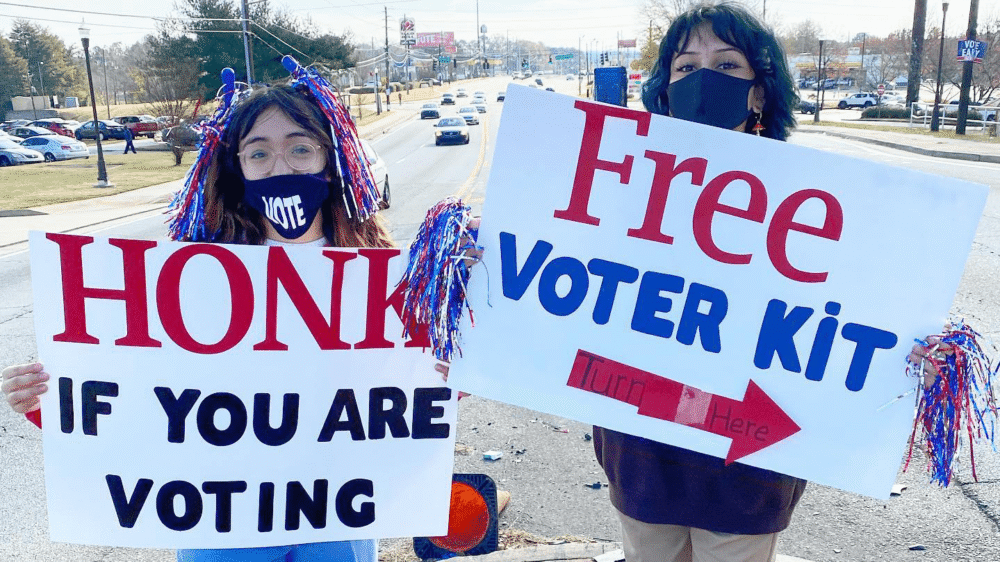
- Vote! Check your voter registration, and vote for environmental leaders in every election (and remind your friends and family to do the same). If your local candidates are not addressing climate change in their platforms, ask them to do so.
- Admire the world and share what you’re working to protect. Take time to admire the nature in your backyard, in your garden, or in your favorite park. Then use your skills—as a communicator, an artist, a comedian, a baker, a scientist, a storyteller, or a healthcare worker—to help remind others why this planet is worth fighting for.
- Find your other climate superpowers! For more ideas, check out SHIFT, a science-backed climate action guide created by Dr. Kimberly Nicholas and the Project Drawdown team.
