







We have much more to do and your continued support is needed now more than ever.
Climate Week: Power On for a Greener Future

Credit: Tang Ming Tung
Each year, climate advocates from nonprofits, businesses, government, tech, and civil society travel to New York City for Climate Week. It’s an opportunity to come together to discuss our world’s most pressing challenge—climate change—and put forth ideas and create lasting partnerships for meaningful action.
Climate change impacts every part of our lives—from ecological changes and species decline, to more extreme weather events and economic hardship. Below, we walk through key themes for this year’s Climate Week, address how people and wildlife are affected, and what solutions we have at our fingertips. Learn how green jobs and civic engagement play a vital role in our economy, how expanding renewable energy can reduce emissions, and the effects of severe weather on public health.
Nature and Wildlife

Climate change has no boundaries. Wildlife across the planet are feeling the heat from climate change. Many are familiar with the plight of polar bears, who are losing their feeding grounds as sea ice continues to melt in the Arctic. But they are not the only species struggling under higher temperatures.
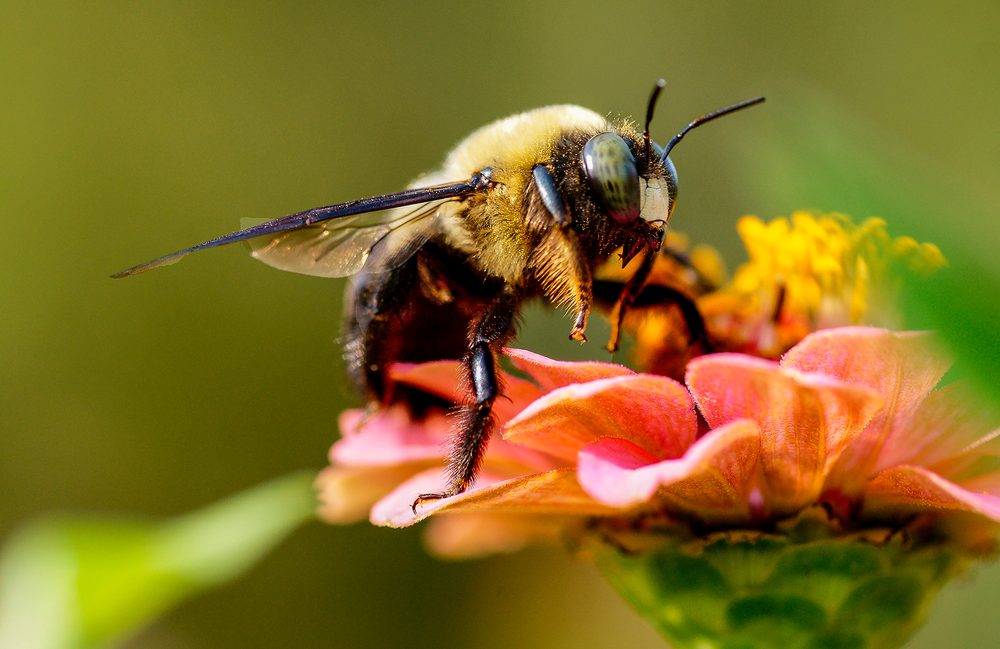
The American pika is a tiny, rabbit-like mammal built to survive its whole life in the high-altitude alpine terrain of the West. But when temperatures rise to even 78 degrees, they can fatally overheat—and have already begun to disappear from parts of their habitat in several states. Warmer and earlier springs are also impacting hibernating and migratory species like songbirds and native bumblebees, causing them to return to their spring habitats too early or putting them out of sync with their regular food sources.
As temperatures and sea levels rise, ocean life also struggle under climate change. For the North Atlantic right whale, one of the world’s most endangered whales, climate change exacerbates other threats to their survival. As their prey move outside their usual locations and become less available due to warming ocean temperatures, right whales have also changed their distribution patterns—moving to areas in the ocean where they have less protection against vessel strikes and entanglements. And coral reefs may be the most visibly impacted, as high ocean temperatures can lead to infectious diseases and coral bleaching that can kill off entire ecosystems.
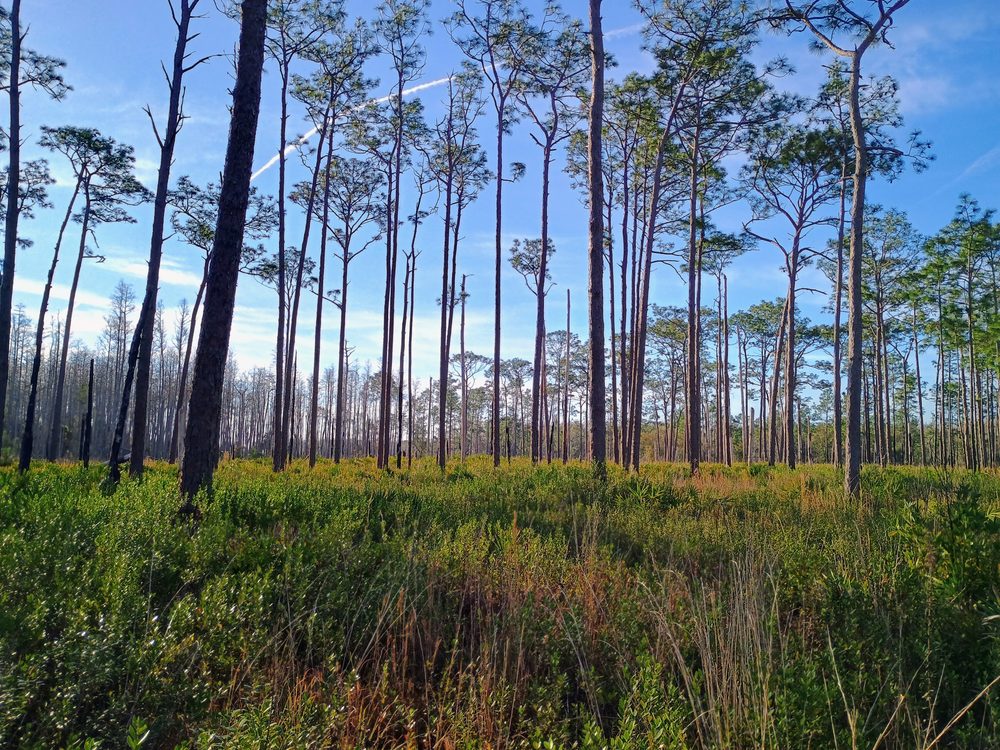
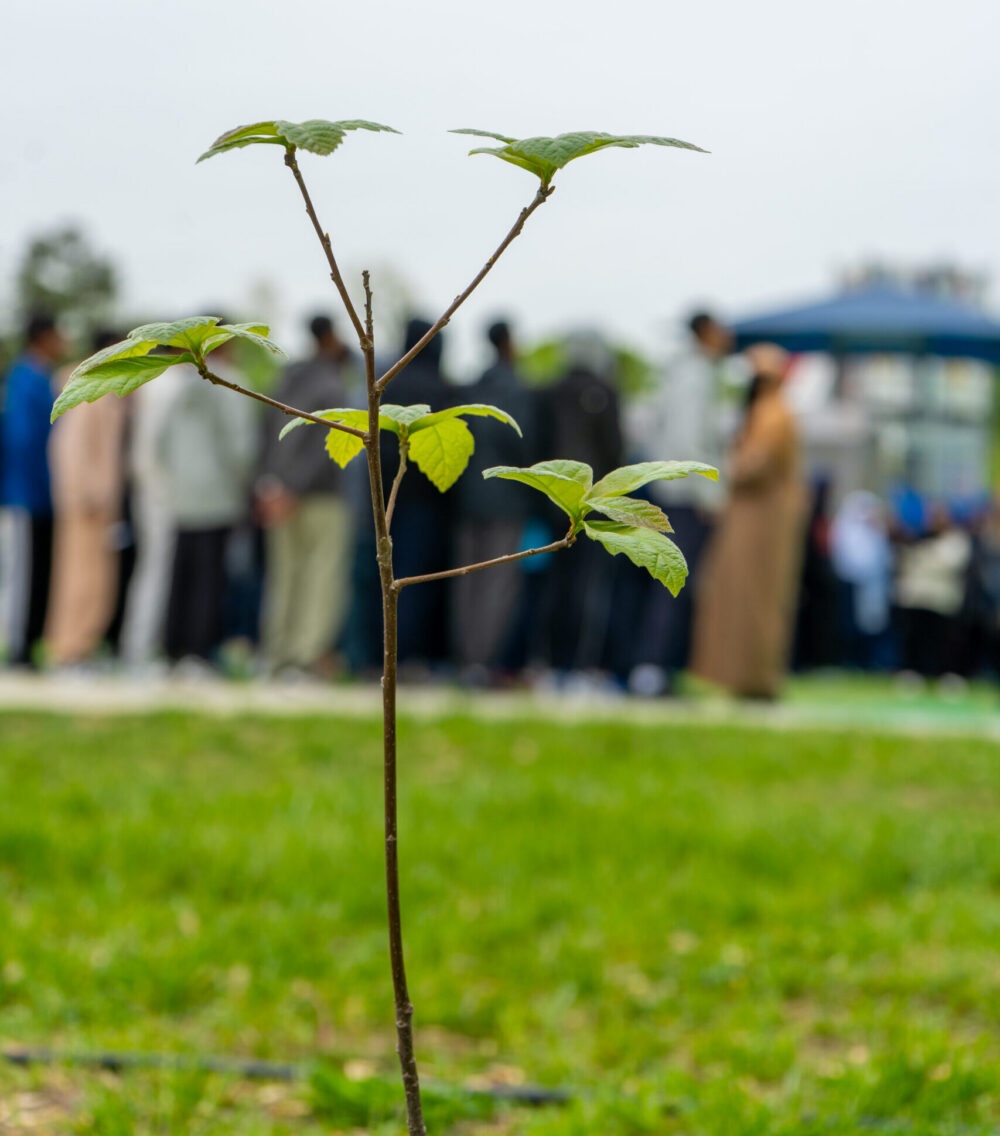
Nature—struggling to adapt to a changing climate—is also part of the solution. Natural climate solutions alone, such as conserving and restoring wetlands, forests, and oceans, could eliminate one third of the greenhouse gas emissions the world needs to cut in order to avoid the worst effects of climate change. These solutions also protect human communities from extreme weather and flooding, such as through maintaining mangrove forests that can buffer against storm surges.
Learn more about natural climate solutions.
Civic Engagement and Democracy


Climate impacts are far-reaching, affecting communities everywhere. So it is important that local leaders, congressional representatives, and federal and state agencies hear from as many people as possible about those impacts.
It also is important that every person is able to exercise their right to vote, giving them an opportunity to have a say on issues related to climate and more. In a strong democracy, voting gives individuals, regardless of viewpoint, the opportunity to voice their concerns about the issues they care about, whether it is climate change, wildlife conservation, the environment, the economy, or other issues affecting our communities.
Learn more about why voting and democracy matters.
Transportation and Energy Transmission

The transition of energy and transportation systems is essential for reducing emissions and tackling climate change. The transportation sector alone is the largest source of greenhouse gas emissions in the U.S., contributing around 28% of the nation’s total in 2022, largely from the combustion of fossil fuels in vehicles. To decarbonize transportation, efforts have focused on increasing the use of electric vehicles (EVs), which are forecasted to make up 52% of global car sales by 2030.
Shifting from gasoline-powered cars to EVs is critical, but the challenge also extends to heavy industries like aviation and shipping, where electrification is not yet feasible. Sustainable aviation fuels (SAFs) are emerging as a solution for decarbonizing air travel and have the potential to reduce aviation emissions by 80% compared to conventional jet fuel.
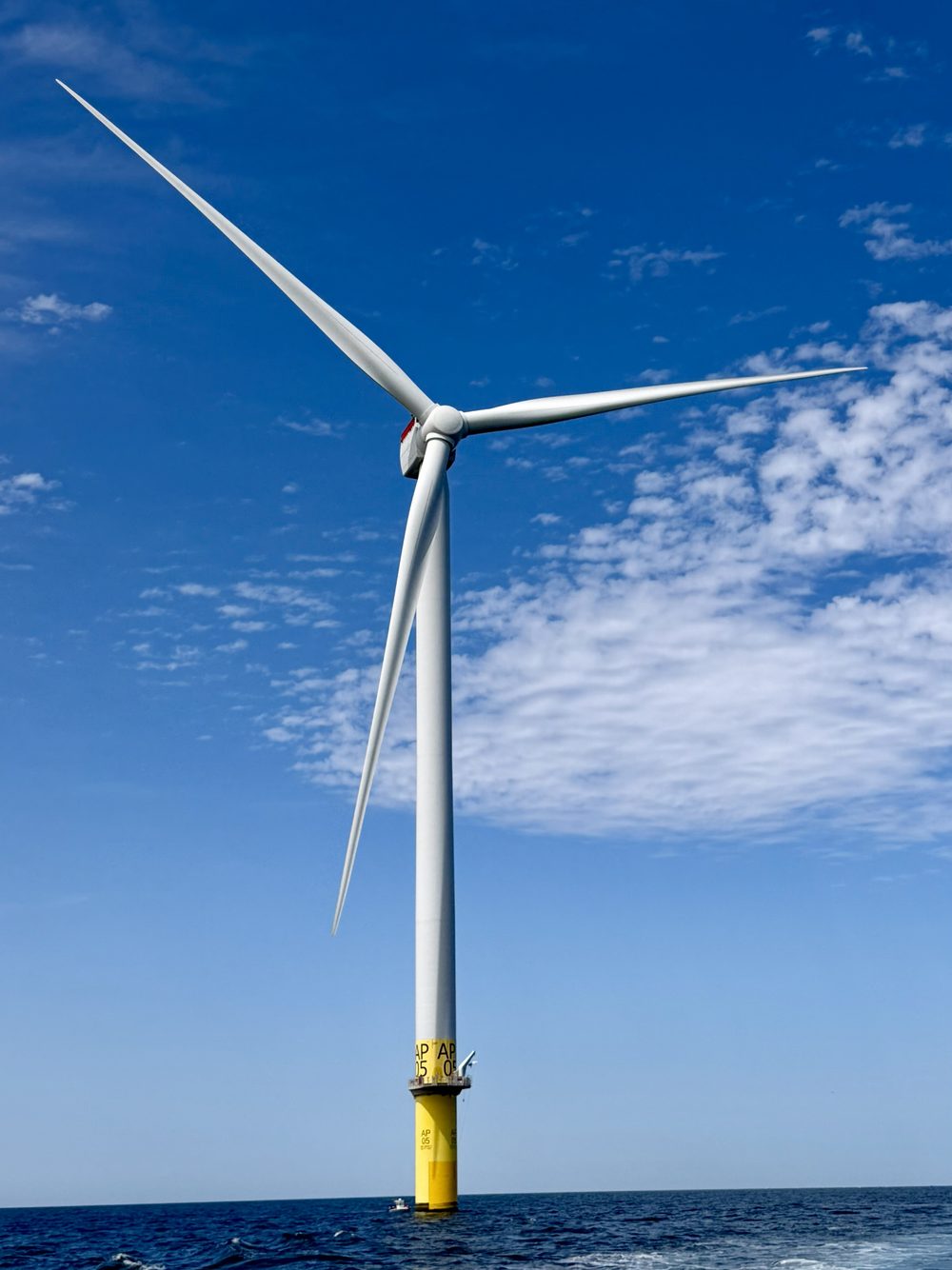
As for energy that we use on a daily basis, renewables accounted for less than a quarter of U.S. electricity generation in 2023, but this needs to rise rapidly to meet climate goals.
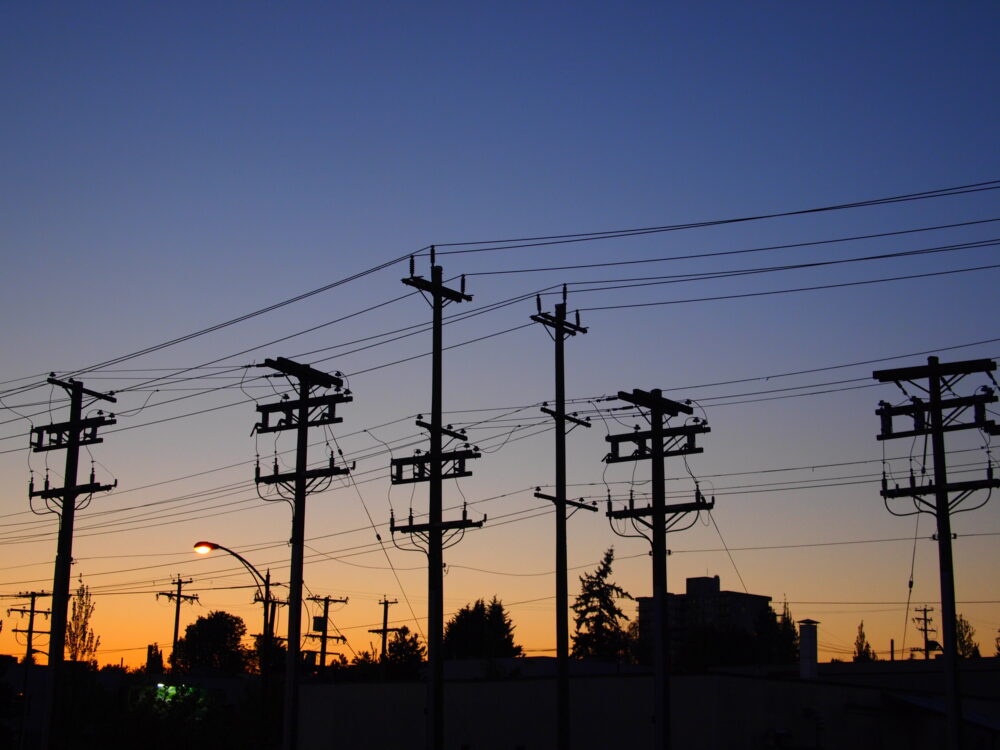
Building a modern, interconnected grid is also essential for renewable energy sources. Upgrading the aging grid infrastructure will be critical in ensuring a reliable supply of clean energy and reducing losses during transmission.
By addressing both transportation and energy, these transitions will play a pivotal role in driving down emissions and meeting national and global climate targets.
Health and Environmental Justice

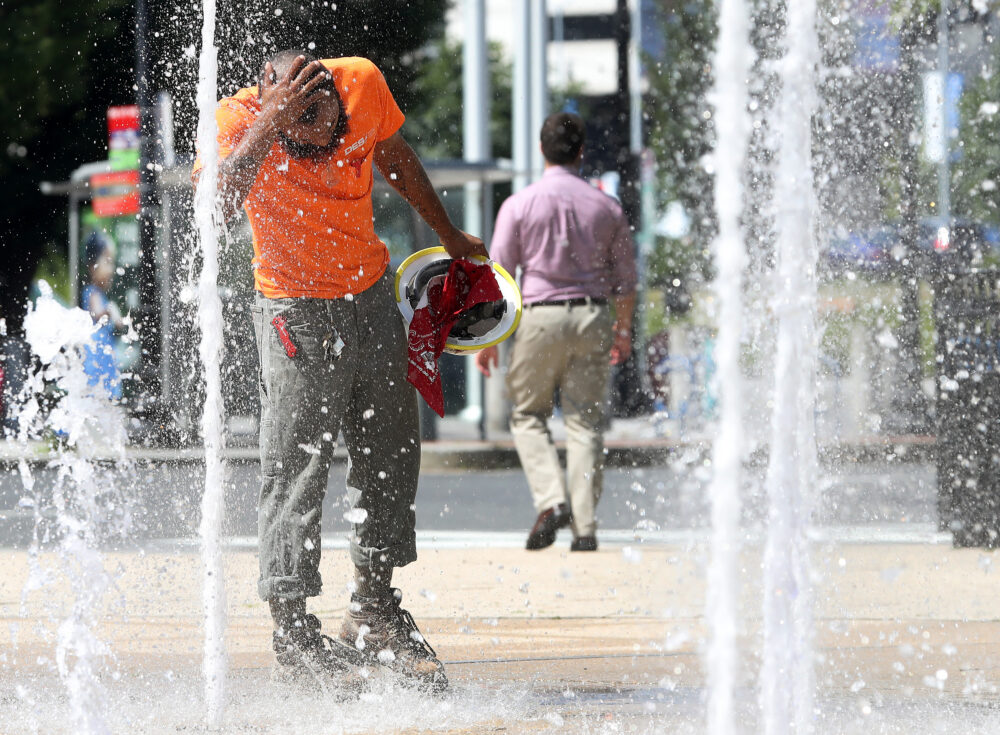
Climate change is an increasing threat to public health and wellbeing around the country. It’s intensifying extreme weather events like wildfires, hurricanes, and flooding, claiming lives and destroying homes and the infrastructure we rely on. Heat waves have also grown longer and more dangerous over the past century. And pests like ticks and mosquitoes are thriving in a warming world, threatening to increase the spread of Lyme disease and other dangerous diseases.
These health impacts don’t impact everyone to the same degree. People of color, Indigenous peoples, low-income communities, and children and elderly people are disproportionately impacted. We must work to ensure that climate solutions benefit everyone equitably—including historically disenfranchised, frontline, rural, and fossil fuel-dependent communities who have been at the forefront of the climate crisis for decades.
Learn more about NWF’s work with communities to protect people from the health impacts of climate change.
 Written by Robert Watkins
