











We have much more to do and your continued support is needed now more than ever.
Dangerous Lines in Sacred Waters: The Cost of Commercial Fishing in a Pacific Marine Monument

Manini or convict tangs amongst finger coral in shallow water. Hawaii, Papahanaumokuakea Marine National Monument. 2006 Summer. Credit: Claire Fackler/CINMS/NOAA
Imagine a vast, protected marine sanctuary, which contains extraordinary and unique marine life and globally important bird nesting sites, all amid a remote chain of islands, atolls, reefs, and shoals. From octopods and the world’s largest sponge, to the oldest marine organism—a deep-sea black coral that can live up to 4,500 years—and the biggest colonies of Laysan and black-footed albatrosses in the world. These are the treasures within Papahānaumokuākea Marine National Monument, a place of profound ecological, cultural, and spiritual significance.
At approximately 582,578 sq mi (1.5 million km²), Papahānaumokuākea (pronounced here) Marine National Monument is one of the largest fully protected marine areas in the world. The Monument was established in 2006 by President George W. Bush, and later in July 2010, the Monument was designated as the United States’ first mixed (natural and cultural) UNESCO World Heritage site, further cementing the global significance of this marine monument. In 2016, the Monument was expanded by President Obama—to four times its original size.
This unusual and vibrant national treasure is recognized as a global biodiversity hotspot and a refuge for rare and endangered species. However it faces a multitude of threats. The breadth of profound impacts from climate change include, but are not limited to, sea level rise threatening remote islands and atolls, and coral bleaching and ocean acidification.
Meanwhile, invasive species and marine debris know no boundaries, threatening a delicate and unique ecosystem. Yet the latest threat comes by way of an executive order issued by President Trump, exploring the option to open national marine monuments to commercial fishing—which comes at an unacceptably high environmental cost.
While there’s literally millions of reasons to safeguard the Monument, here are just a few.
A kaleidoscope of marine species and abundance of apex predators
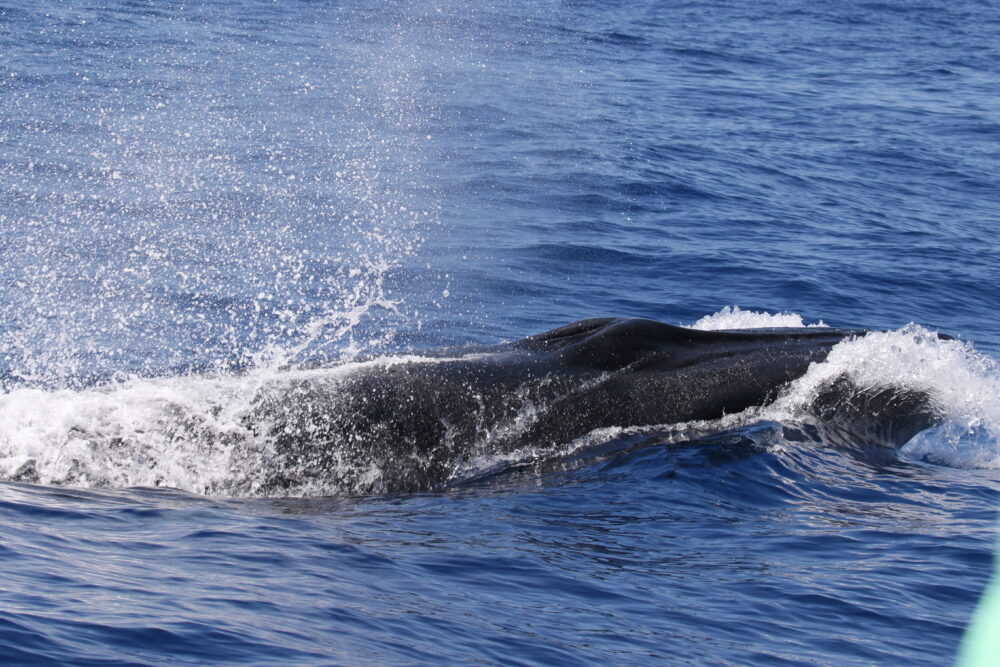
The waters of the Monument are home to over 7,000 marine species—that we know of. One quarter of these species exist only in the Hawaiian archipelago. Oceanographers acknowledge many denizens of deep waters remain undocumented and there are many species yet to be discovered. Apex predators abound in these waters, with upwards of 40 species of sharks, from the Galapagos, black tip reef and tiger sharks, to the globally endangered scalloped hammerhead shark.

Another apex predator is the ulua, or giant trevally, which can weigh as much as 170 pounds or more. Apex predators are important within the ecosystem for keeping populations of grazing fish or herbivorous species in check. The Monument is one of the last apex predator-dominated coral reef ecosystems in the world.
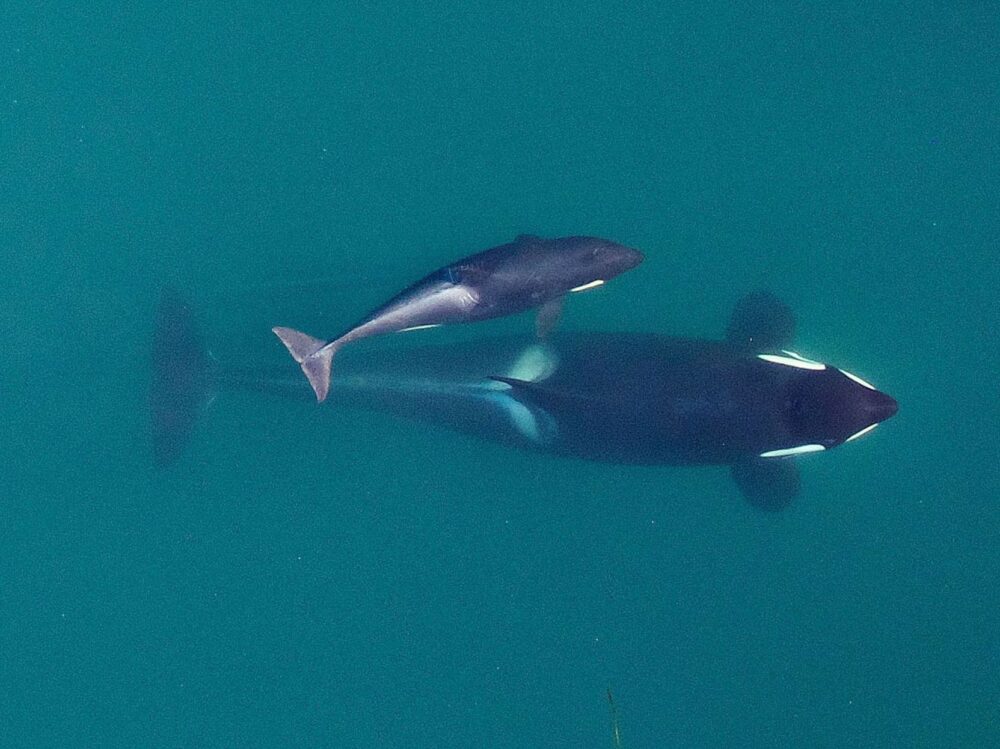
Native Hawaiian traditions recognize sharks and other large ocean animals as ancestral guardians or ‘aumākua, but targeted commercial fishing and by-catch will continue to push endangered populations toward risk of extinction.
Coral Reef: Vast stretches of nurseries, food and shelter

In the marine environment, coral reefs serve critical functions as nurseries that also offer shelter and food. They are essential habitat and play a role in carbon and nitrogen cycling, which helps to maintain ocean health. The Papahānaumokuākea Marine National Monument contains 3.5 million acres of coral reef—70 percent of the total coral reef area in the United States.
This marine monument is home to approximately 80 types of coral, nearly half of which are found only in Hawai’i. One is a feathery black coral species—ʻĒkaha kū moana in Hawaiian—which was only recently discovered in the Monument’s deeper waters. The Monument is also recognized for its “endemism”—when a species is found only in a specific place. No other coral reefs of similar size and expanse on the planet have a higher rate of endemism than Hawai‘i’s.
Some of the reefs have 100 percent of fish unique to Hawai’i.
The coral reefs in the Monument—and around the globe—are facing a common threat: rising water temperatures. This leads to bleaching and coral death, thereby reaffirming the importance of ongoing monitoring and research in the Monument, while reducing stressors on the corals, which includes destructive fishing practices.
On the fly: Seabirds, land birds, and migratory shorebirds
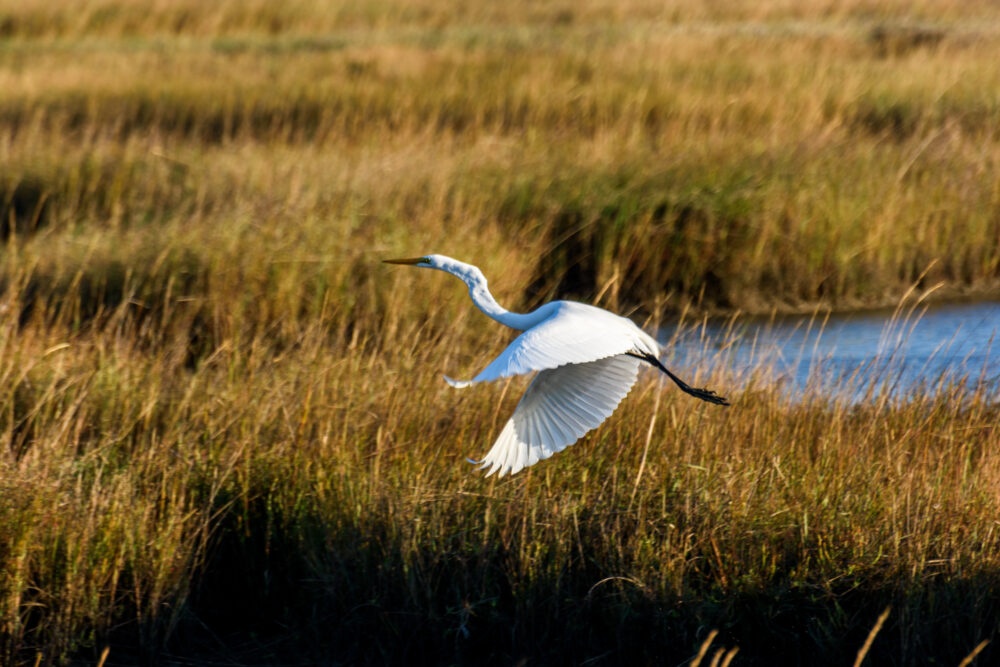
The marine sanctuary tops yet another list as the largest tropical rookery in the world. More than 14 million birds across 22 species call it home and its globally intact status only rivals that of Antarctica for undisturbed seabird ecosystems.
Nearly the entire world population of albatrosses call the Monument home. 99% of all Laysan Albatrosses and 98% of all Black‑footed Albatrosses spend their breeding seasons within the Monument, where they benefit from undisturbed habitat. This is important because albatross populations have suffered severe population declines as a result of commercial longline fishing, which is prohibited in the Monument.
A number of species, such as the Pacific Golden Plover, Bristle-thighed Curlew, Wandering Tattler, and Ruddy Turnstone, face a long haul flight from the Arctic to Pacific islands. The Monument serves as a protected migratory pitstop for birds on this epic voyage. While some seabird species feed within just a few miles of the islands, others, such as the Laysan albatross, venture as far as Alaska and California.
This oceanic hub is also an evolutionary hotspot, hosting multiple unique bird species found nowhere else on Earth. The Nihoa Finch, Laysan Finch, and Nihoa Millerbird evolved through adaptive radiation, an evolutionary process particularly common on islands, in which a single ancestral species rapidly diversifies into many different species that are uniquely adapted to different niches or environments.
Birds are facing the threats of rising sea levels, which put their nesting grounds at risk, and they are also vulnerable to the extensive plastic debris that has accumulated in the ocean.

An ancestral space and spiritual link
A vast, expansive ocean; vibrant marine and bird life and the health of the ecosystem that sustain us all is central to the Papahānaumokuākea National Marine Monument. A wahi pana, it is a place of great cultural significance and practice for Native Hawaiians and sacred area from which all life springs, and to which spirits return to after death.
Reflecting the rich, oral tradition of the Hawaiian people, its name reflects ancient traditions, recognized ancestors of Native Hawaiian people and the formation of the Hawaiian Islands.
“Opening the marine monument to industrial and commercial fishing disregards both ecological science and the Native Hawaiian practice of mālama—care—and mālama ʻāina—sustaining land/ocean for future generations,” said Jonee Peters, executive director of Conservation Council for Hawai’i.
