



We have much more to do and your continued support is needed now more than ever.
Oil and Gas Mandates Could Reshape Colorado’s Public Lands and Wildlife

Credit: Aaron Kindle
When the One Big Beautiful Bill Act was passed last year, its sheer size and complexity made it difficult to grasp the full scope of its consequences. Months later, the picture is coming into sharper focus—and for those of us who care about public lands, it is troubling. The law’s mandatory oil and gas leasing provisions have the potential to reshape landscapes across the West in ways that could have lasting impacts on wildlife, sporting traditions, and the communities that depend on them.
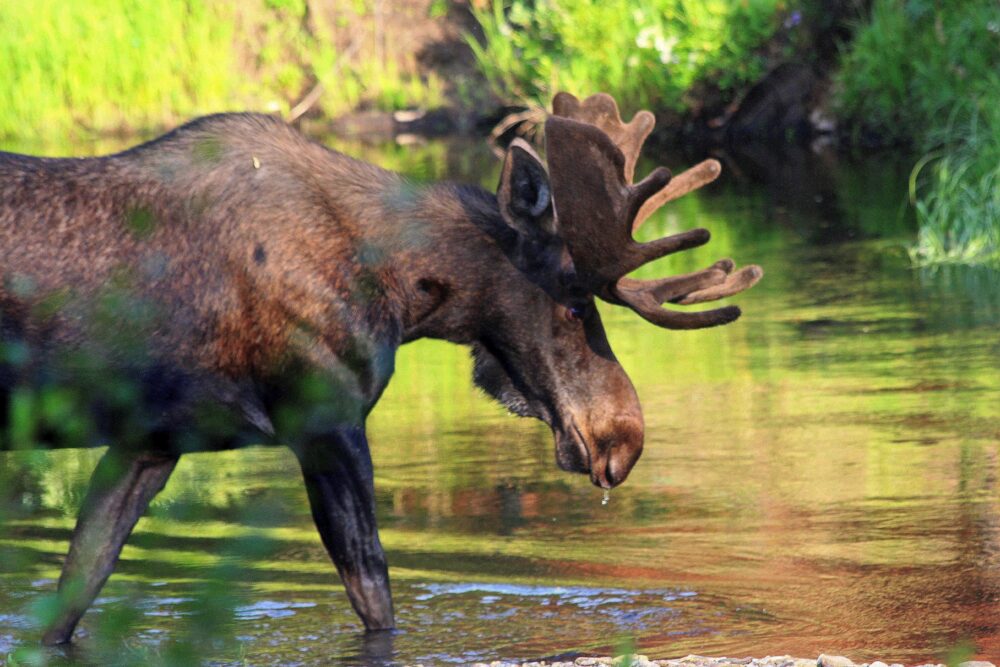
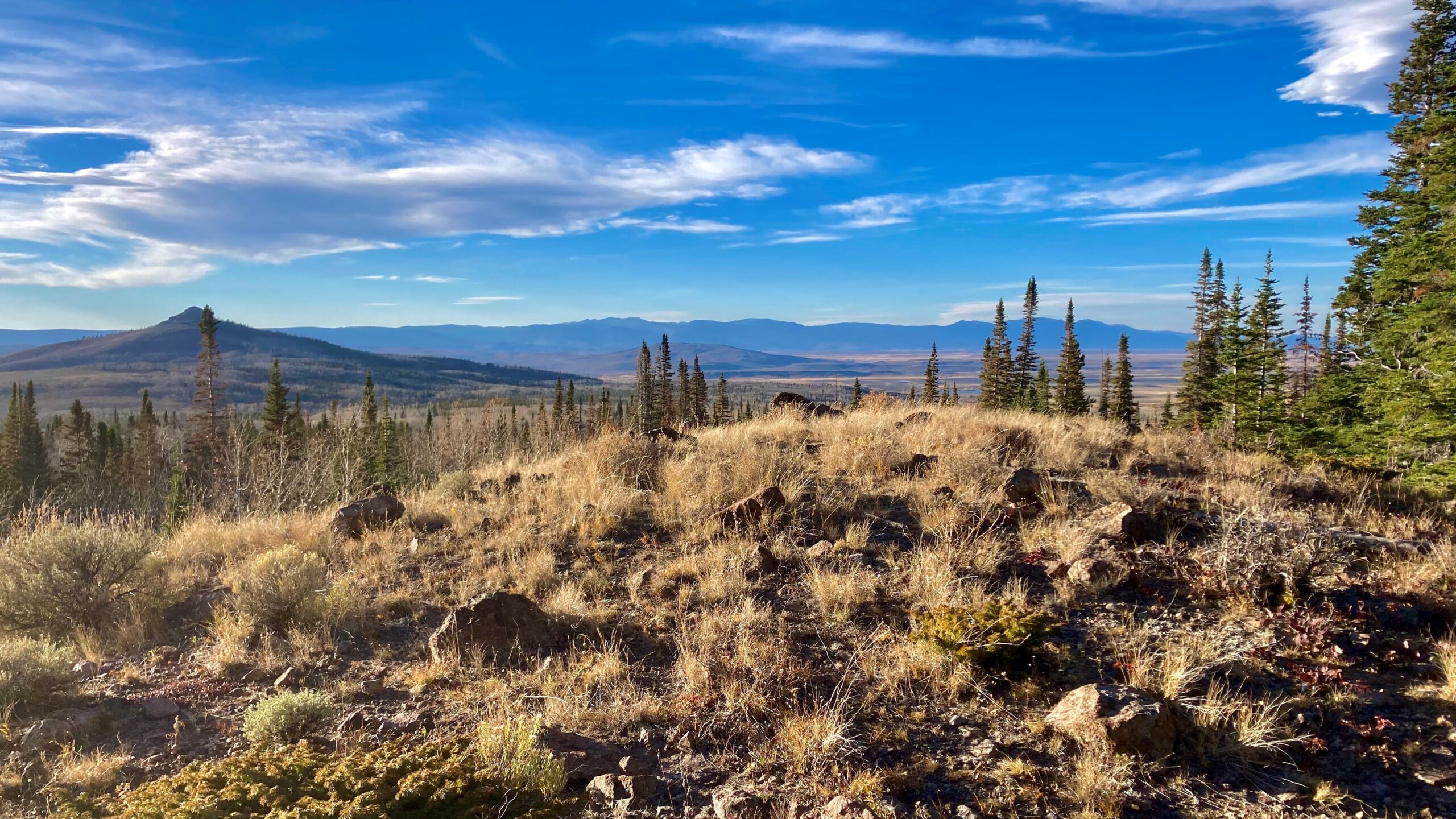
For proof, we need look no further than the Bureau of Land Management’s upcoming March 31 lease sale that includes parcels in North Park, Colorado. Tucked up in the north-central part of the state, North Park contains the headwaters of the North Platte River and is sometimes called the “Serengeti of Colorado.” Vast sagebrush basins and high mountain valleys support moose, elk and mule deer—wildlife that fuel a thriving hunting and outdoor recreation economy. I have hunted there often with family and friends, and I hope to continue that tradition for decades to come.
In recent years, oil and gas development has proceeded at a rapid clip in this area, fragmenting habitat with roads, well pads, and drilling infrastructure. Hunters and anglers like me have grown increasingly concerned about what that means for the long-term health of the land. Now, the new federal law accelerates that leasing and limits the ability of land managers to steer development away from the most sensitive areas. It tilts the balance away from careful planning and toward maximum extraction.
One of the most alarming aspects of the March lease sale is that some parcels overlap with active greater sage-grouse leks—the breeding grounds essential to the species’ survival. Sage-grouse populations across the West have plummeted over the past two decades, and North Park contains roughly 20 percent of Colorado’s remaining sage-grouse population. Disturbing these areas during critical breeding seasons risks pushing an already vulnerable species closer to the brink.
The concerns extend beyond sage-grouse. Mule deer and elk migration corridors thread through North Park, and crucial winter range lies within or near the proposed lease parcels. We have seen what unchecked energy development can do. Just across the border in Wyoming, the Jonah oil and gas field became a cautionary tale of development run amok. Thousands of wells transformed the landscape, and studies documented steep declines in mule deer—a reported 35 percent drop in some herds. Colorado should learn from that experience, not repeat it.
None of this is to suggest that oil and gas development has no place in our energy mix. But it is entirely reasonable to ask where and how development should occur. Thoughtful land-use planning, science-based safeguards, and respect for irreplaceable habitat are not radical ideas—they are the bedrock of responsible stewardship. Once migration corridors are severed or breeding grounds disrupted, the damage can take decades to repair, if it can be repaired at all.
Wildlife is not just part of our scenery; it is central to our economy and identity. Hunters, anglers and outdoor recreationists pour millions of dollars into rural communities every year, supporting local businesses, outfitters, restaurants and hotels. According to the Pew Research Center, hunting and angling support nearly 5,000 jobs in Colorado and generate about $34 million in state and local tax revenue. Those numbers represent livelihoods for families and stability for small towns.
Colorado cannot afford to sacrifice its wildlife, its sporting heritage, or the rural communities that depend on both. Public lands are a shared legacy, and decisions made in Washington reverberate far beyond the Beltway. Please join me in writing to our elected officials in Washington—reminding them that oil and gas development should not come at the expense of the Western landscapes and traditions that define who we are. Congress should pass legislation to restore common sense safeguards for our wildlife and public lands, because once they are gone, we may never fully get them back.
Aaron Kindle is the director of sporting advocacy at the National Wildlife Federation. He is a life-long Westerner who hunts, camps, and hikes with his family every chance he gets. He lives in Salida, CO.
