






We have much more to do and your continued support is needed now more than ever.
The Wonder of the Oregon’s Wallowa Mountains and HB 4134
The bill would bring much-needed conservation funding.
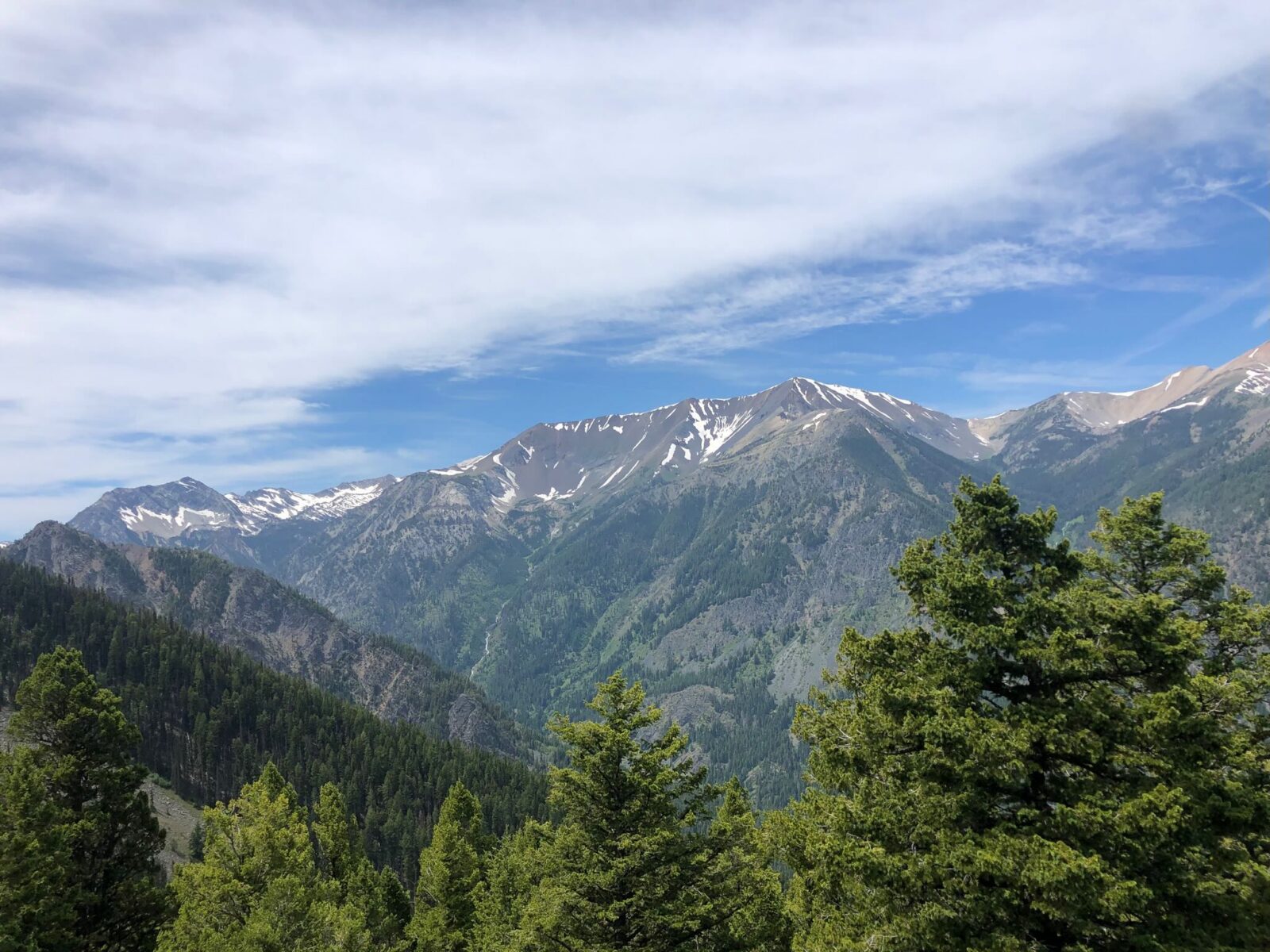
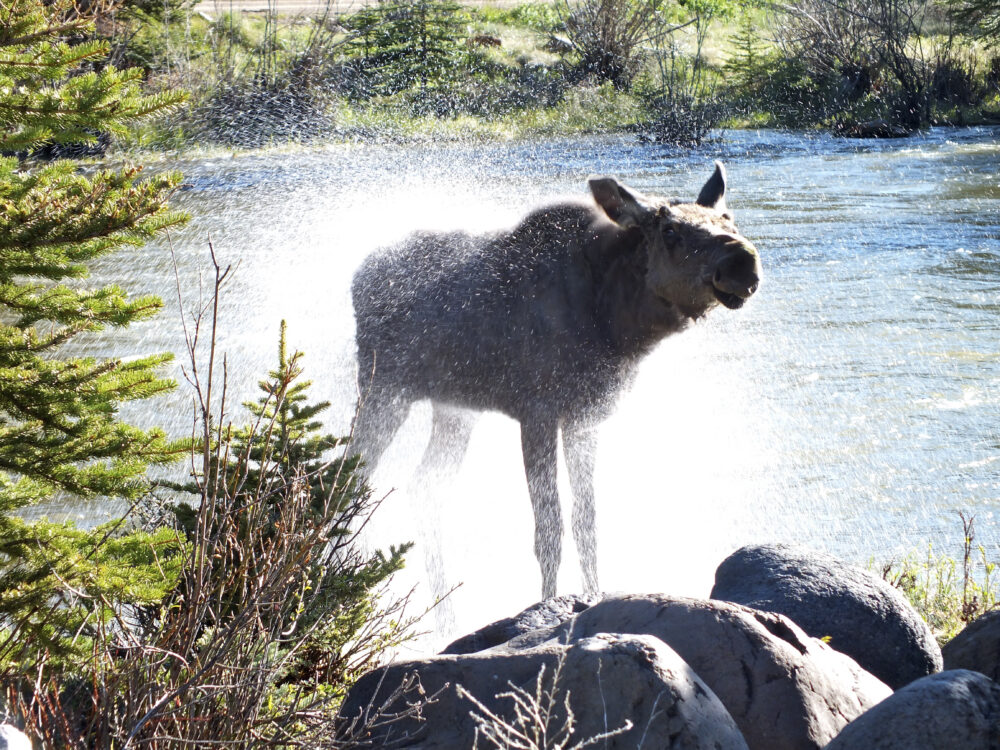
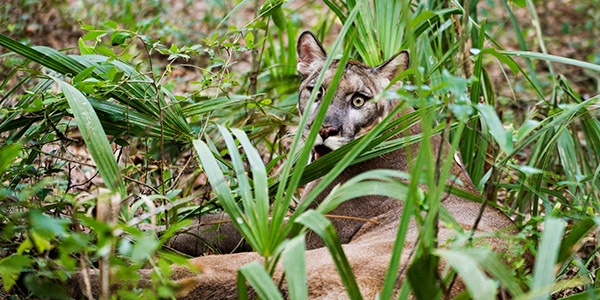
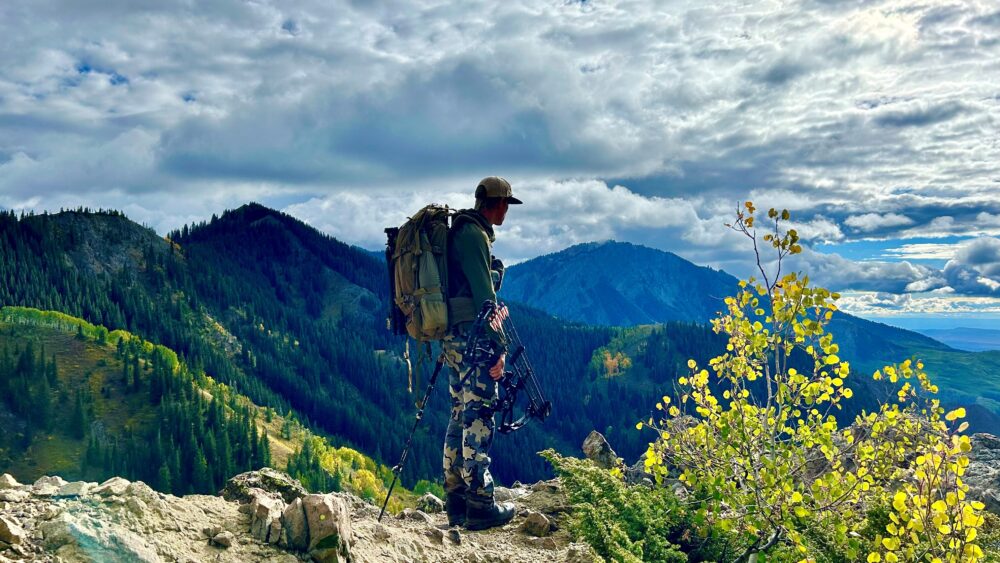
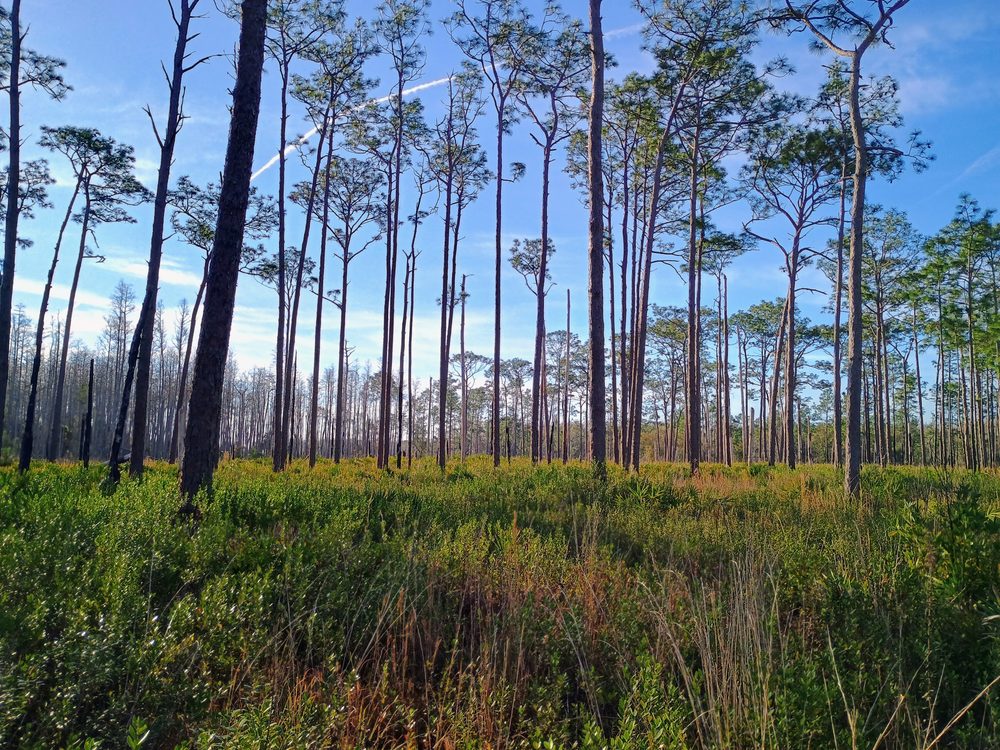
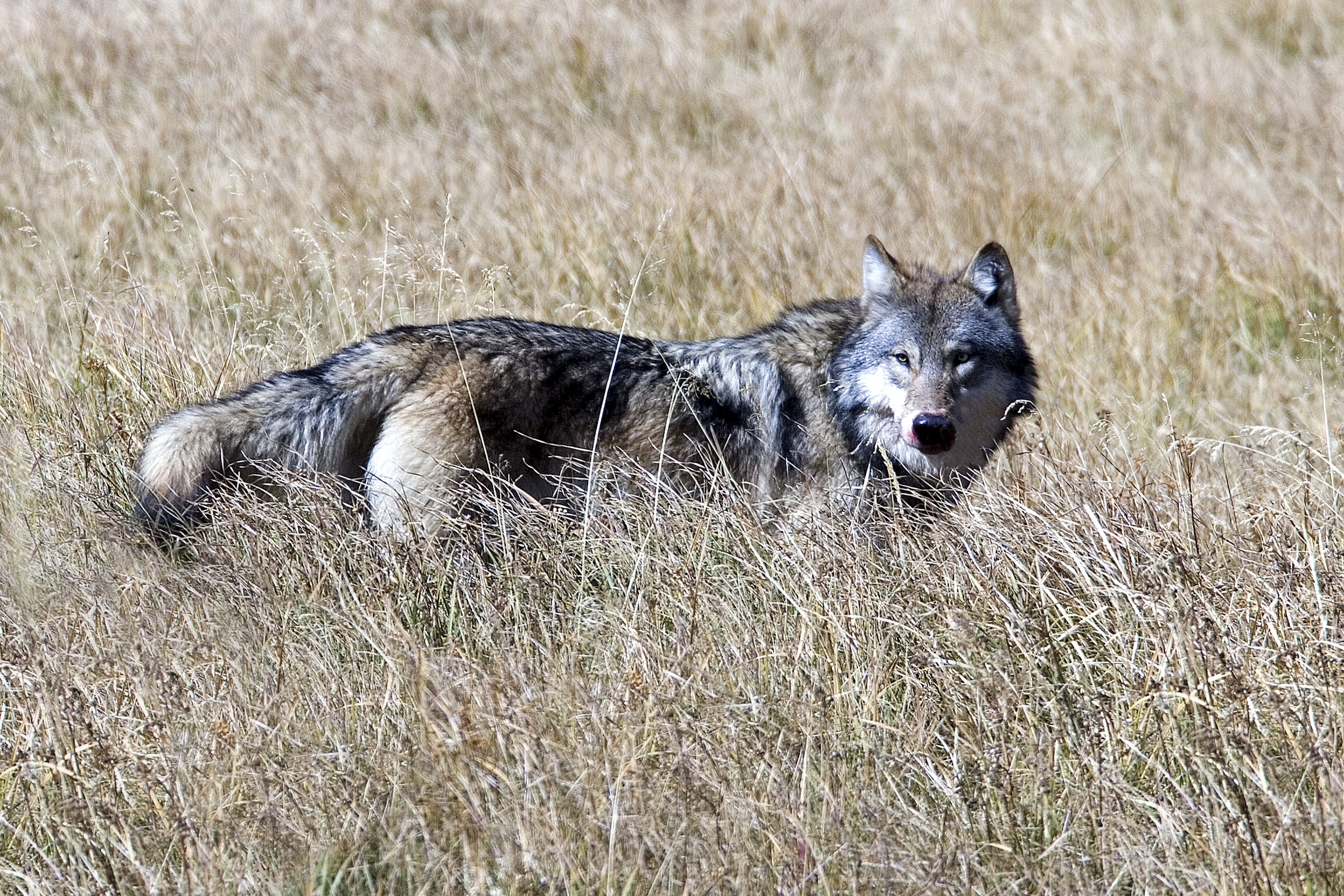
On the edge of the Eagle Cap Wilderness in Wallowa Mountains of northeastern Oregon, I found myself surrounded by forests of firs and pine criss-crossed by mountain streams and dotted with alpine meadows. These habitats support abundant wildlife including Pacific marten, the gray wolf and even the elusive wolverine—of which there are likely fewer than 300 across the Mountain West.
While it was very unlikely that I would see any of these furtive species, just knowing they were in the mix was a thrill. It also reaffirmed that the exceptional wildlife make the Beaver State their home needs dedicated conservation funding. And that’s why we need OR House Bill 4134.

HB 4134: A Bill For Oregon’s Fish Wildlife
Oregon’s iconic wildlife are a common thread woven through the lives of the more than 4.2 million people who also call the Beaver State home. Oregon’s diverse wildlife also underpin its thriving outdoor recreation economy, which supports nearly 73,000 jobs and generates $8.4 billion every year.
A spectacularly diverse landscape of dense forests, rivers, large game, and world class salmon and steelhead runs draw outdoor enthusiasts from across the state, the country and around the world. They include hunters, anglers, gardeners, birders, hikers, campers, paddlers, and other outdoor enthusiasts.
After more than a decade of work by a diverse and broad coalition of organizations in Oregon’s state legislature, House Bill 4134 was passed with bipartisan support. It now awaits the signature of Oregon Governor Tina Kotek, and addresses a clear and urgent need: stable, reliable funding for wildlife conservation at a time when we must.
We are in a conservation crisis and we must secure state investment in addition to federal sources. House Bill 4134 allows the flexibility to invest resources where they will have the greatest impact. For Oregon’s fish and wildlife, this is a pivotal moment, and House Bill 4134 represents an important step forward and an example for other states to follow.
The Wonder of the Wallowas—and Beyond
Wandering through the unparalleled subalpine landscape of the Wallowas, I’m surrounded by flora and fauna that is only found in this region. At the higher elevations in the Wallowas, amid a sea of wildflowers amid the dwarfed firs and tucked between the Blue Mountains to the West and the Snake River to the east, it’s impossible to ignore the opportunity that dedicated conservation funding offers.
In recent years, we’ve all witnessed the increase in extreme weather events, unpredictable rain, drought, diminished snowpack, and habitat degradation. It’s all pointing toward an increasingly urgent opportunity to protect the natural assets that define Oregon for future generations.
Let’s not forget that preserving the natural wonders of Oregon and its wildlife also underpins a thriving outdoor recreation economy, which supports nearly 73,000 jobs and generates $8.4 billion in economic activity every year. House Bill 4134 is more than a vital investment in what makes Oregon exceptional, it is a model for other states to follow as they work to recover wildlife and to implement their state wildlife action plans.
“House Bill 4134 is a practical, long-overdue step toward recovering Oregon’s threatened wildlife, plants and landscapes. We appreciate Governor Kotek’s leadership in moving this forward. Dedicated conservation funding means better habitat, stronger fish runs, and more consistent opportunities for the people who fish here year after year. It also helps ensure that Oregon remains a recreational angling destination not just for the experience, but because the resource itself is being responsibly cared for.”
– James Adkins, Executive Director of Association of NW Steelheaders
A Long Overlooked Conservation Super-Power
What is a state wildlife action plan? It’s a powerful tool to proactively implement on-the-ground projects to help keep our fish and wildlife populations healthy. At the same time, they accelerate the recovery of species already on the brink.
In that regard, House Bill 4134 will not only strengthen Oregon’s State Wildlife Action Plan, but it will also buttress wildfire resilience and help inform smart deployment of renewable energy in Oregon. Using the best available science, the plan identifies key threats to wildlife and outlines practical solutions. It also uses the best available science to identify threats and to restore and connect important habitat areas.

What’s Good for Oregon…Is Good for All States
What’s good for the goose is good for the gander, as the saying goes. The same applies to House Bill 4134. It’s not just good for Oregon’s state wildlife action plan, but for all states. Let’s not forget that these plans are so much more than “plans.”
By assessing what needs to be done to conserve fish, wildlife, and habitat in every state, they lay out a bold vision for conservation, guiding the work of the state wildlife agencies and providing a platform for collaboration with other conservation partners. They provide a blueprint for recovering and conserving America’s wildlife. House Bill 4134 would provide a significant investment to implement the newly revised State Wildlife Action Plan.
Currently most funding for the Oregon Department of Fish and Wildlife is derived from revenue generated by hunting and fishing licenses. House Bill 4134 diversifies that funding and provides stable multi-year investment to support broader wildlife conservation.
It also builds in more flexibility to invest in resources where they will have the greatest impact. Other programs stand to benefit in the state including the department’s Wildlife Connectivity Program, Wildlife Stewardship Program, Oregon Conservation Corps and Oregon Conservation and Recreation Fund.
For Oregon’s fish and wildlife, for spectacular natural resources like the Wallowa Mountains, the Columbia River Basin, the Pacific Coast and more, this is a pivotal moment, and House Bill 4134 represents an important step forward and an example for other states to follow.
On March 12, 2026, the National Wildlife Federation sent a letter to Gov. Kotek, urging her to sign HB 4134.
