





We have much more to do and your continued support is needed now more than ever.
The Farm Bill and Wildlife: Why This Policy Moment Matters
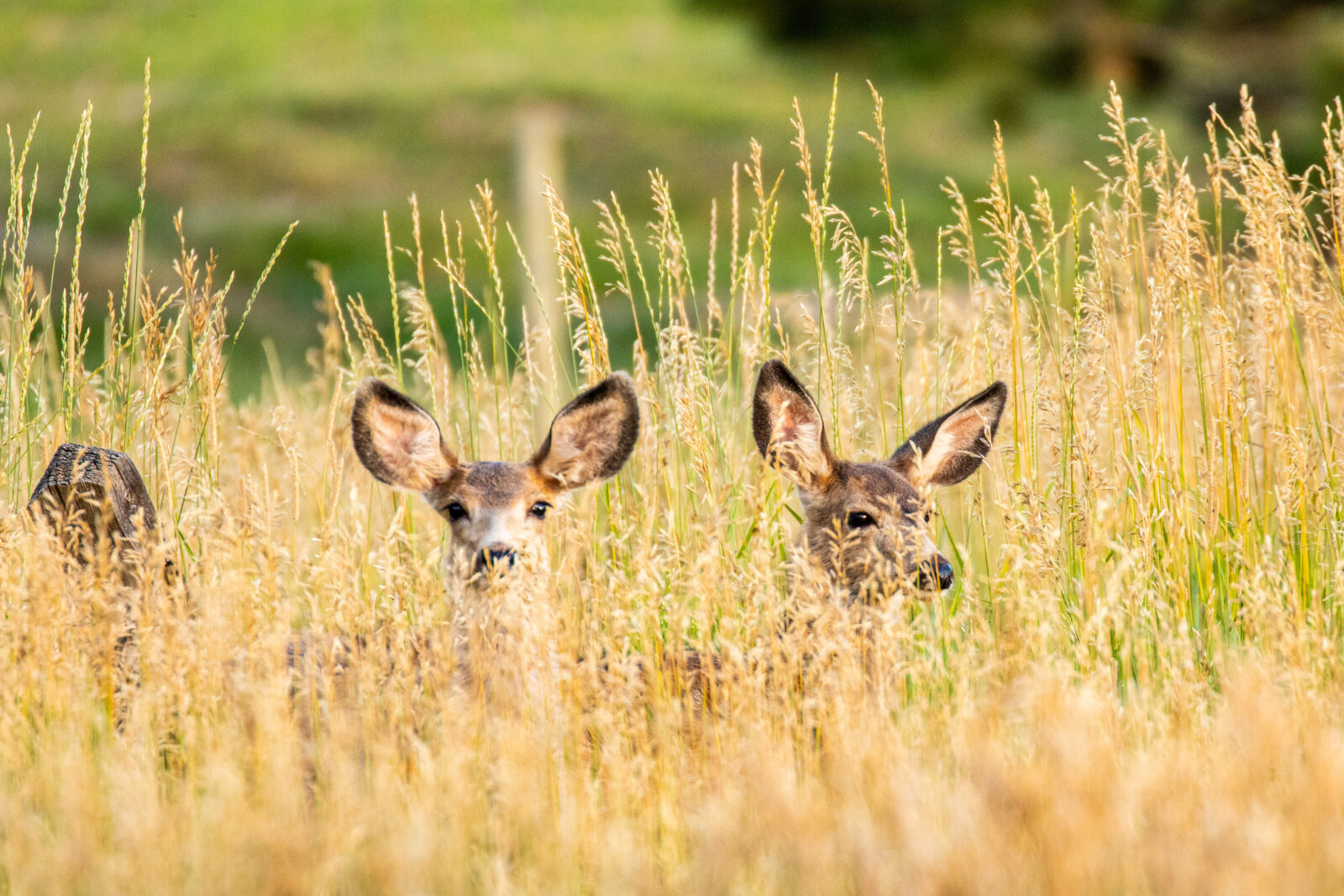
Mule deer in Colorado. Credit: Shane Morrison
Do you remember back in 2018, when the world watched the historic Pyeongchang Winter Olympics, the highly anticipated royal wedding of Prince Harry and Meghan Markle, or the record-breaking premiere of the movie Black Panther? What you might not remember is that 2018 also marked the last time the Farm Bill officially passed.
Congress typically rewrites the Farm Bill every five years, updating and improving programs and adapting them to the changing farm economy. Congress was supposed to rewrite the 2018 Farm Bill in 2023, but instead has provided short-term extensions, and the most recent extension expires September 30, 2026.
That approach keeps programs running but fails to make the many needed changes and improvements. This cycle of temporary measures has left the farmers and communities who depend upon those programs in a state of uncertainty.
As the nation’s largest federal investment in private lands conservation, the Farm Bill provides billions of dollars annually to help farmers and ranchers improve soil health, water quality, and wildlife habitats. Through financial and technical assistance from the USDA’s Natural Resource Conservation Service, producers can adopt conservation practices on their land.
However, demand for these programs far outweighs the available resources. Even with a historic $20 billion investment from the 2022 Inflation Reduction Act, these conservation initiatives remain oversubscribed, leaving the USDA unable to meet the needs of landowners who would like to participate. With another expiration date on the horizon, now is the time to push for a more robust, wildlife-friendly Farm Bill.
What the Farm Bill Does for Wildlife
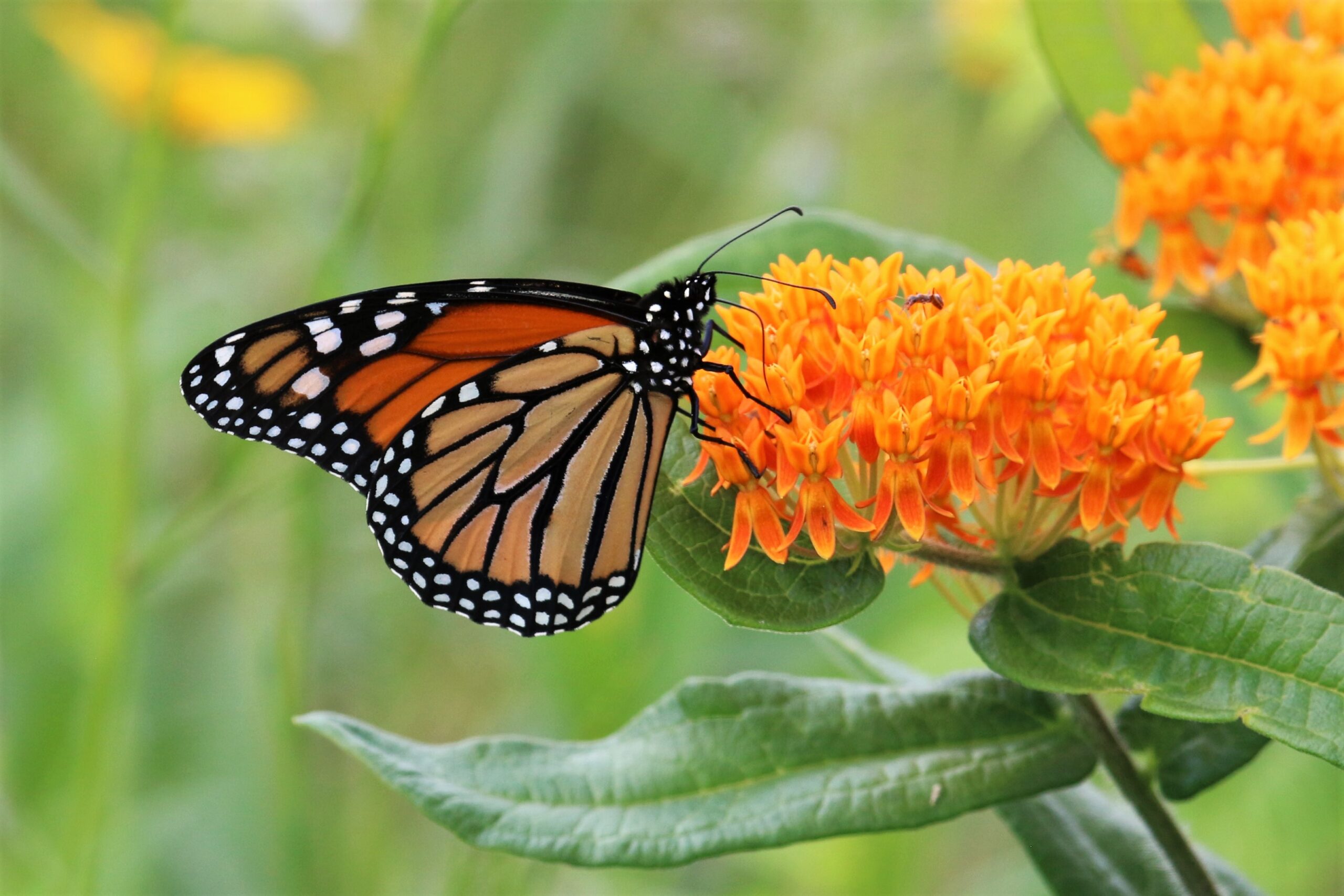
From conservation easements to grassland restoration, the conservation programs funded by the Farm Bill aid farmers, ranchers, and foresters in protecting wildlife, habitats, and maintaining healthy waterways and soil.
The Conservation Reserve Program (CRP) addresses conservation by providing annual rental payments to farmers to take environmentally sensitive land out of row crop agriculture and plant it with conservation cover that can be grazed.
The land enrolled in CRP provides an important safeguard for wildlife species while also improving water quality and soil health. Within CRP is the State Acres for Wildlife Enhancement Initiative (SAFE) providing funding to landowners to create wildlife habitat to help meet state wildlife conservation goals.
Some of the species targeted by the SAFE initiative include grassland birds, such as the lesser prairie chicken, species that have faced declining populations, like the New England cottontail, and many more.
The Environmental Quality Incentives Program (EQIP) also provides funding for wildlife and habitat restoration, including through the Working Lands for Wildlife Initiative (WLFW), which has been crucial for the recovery of at-risk species.
Many species have thrived under this program and currently more than a dozen species—including the iconic monarch butterfly and the lesser-known eastern hellbender, the United States’ largest salamander—are part of these efforts.
Let’s take a closer look at a couple of the WLFW initiatives:
- Southwestern willow flycatcher Initiative – This small migratory songbird lives in wetland and riparian habitats of the southwest. In these arid desert regions, riparian areas are key ecosystems and by protecting the habitat of the flycatcher, the program benefits the many other species that share their home. Since 2012 USDA has partnered with over 100 landowners across Arizona, California, and Utah to conserve 29,000 acres of habitat.
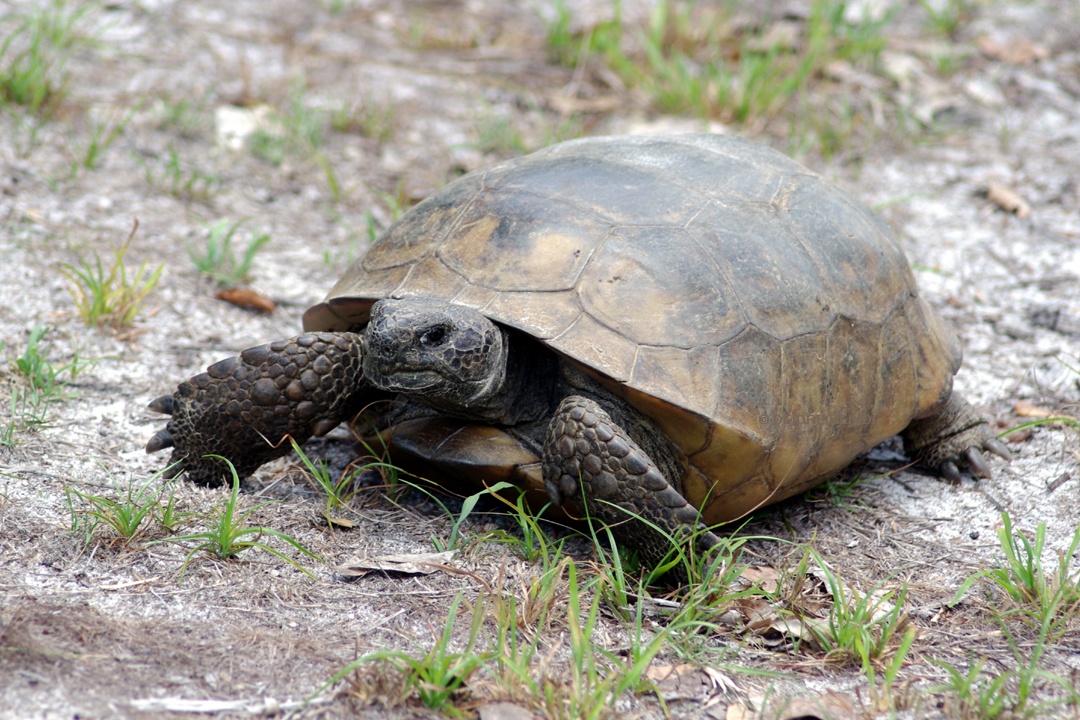
- Gopher tortoise Initiative – Aptly named for its unique burrowing behavior, the gopher tortoise inhabits longleaf pine savannas across the Southeast. Due to a decline in longleaf pine forests, gopher tortoise populations are at risk, and are federally listed as threatened in their western range of Louisiana, Mississippi, and Alabama. This initiative helps landowners restore vital habitats while supporting sustainable forestry practices.
With active programs in 48 states, conservation work is likely happening right in your home state! Check out this interactive map to explore WLFW projects across the country.
Current Status of the Farm Bill – U.S. House Agriculture Committee
On March 5, 2026 the U.S. House Agriculture Committee passed the Farm, Food, and National Security Act of 2026 out of committee. This marks a significant milestone toward passing a new Farm Bill.
This legislation contains several victories for wildlife, including the reauthorization and continuation of important provisions of the Conservation Reserve Program (CRP). As of 2025, 26.3 million acres are enrolled in this important program.
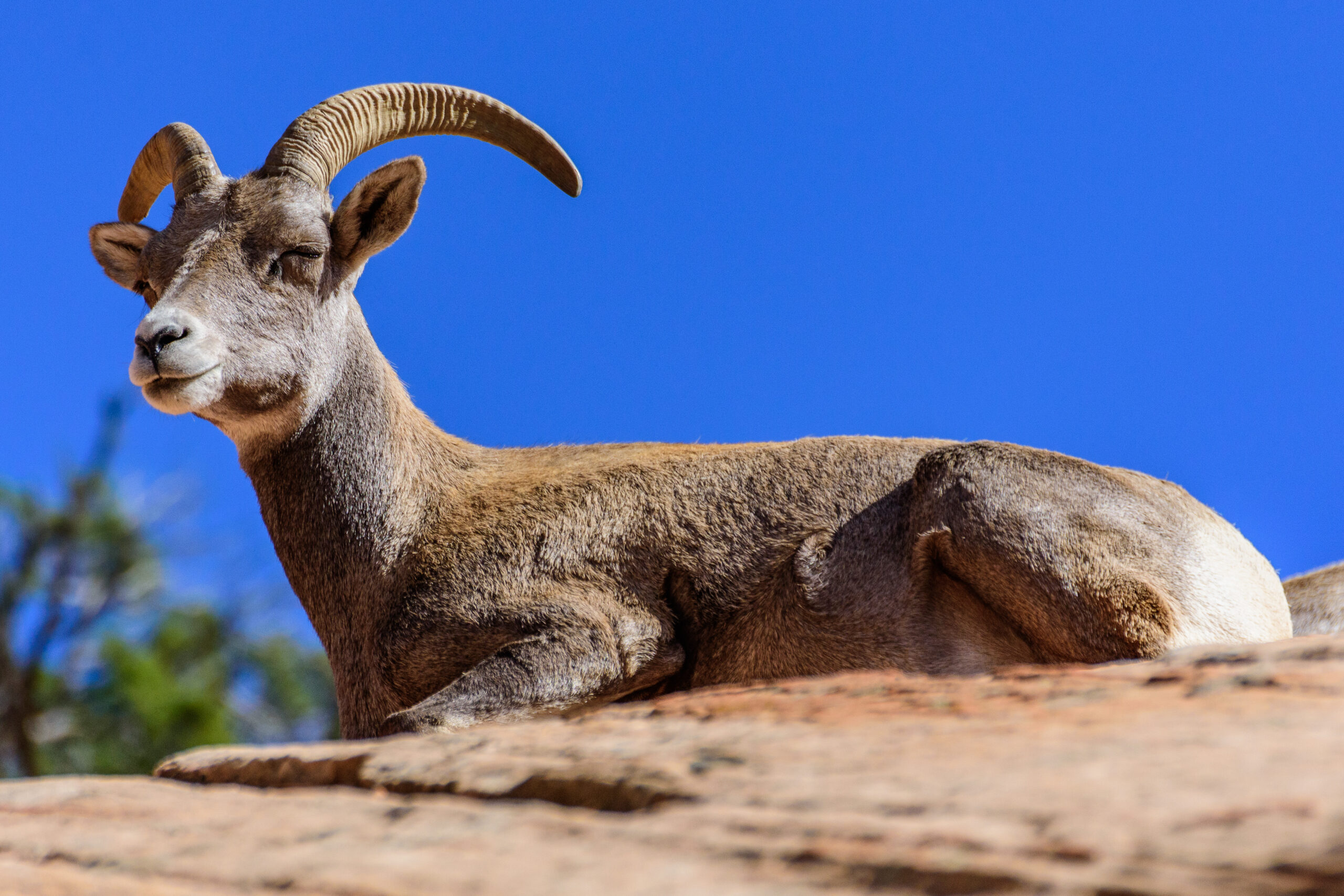
Another win is the passage of important provisions supporting wildlife migration corridors and habitat connectivity on private lands, which originated from the Habitat Connectivity on Working Lands Act. Wildlife corridors are essential for preventing species loss caused by habitat fragmentation and for protecting migration routes that many species need for survival.
Another success was a provision supporting virtual fencing. Virtual fencing is a technology that utilizes GPS enabled collars on livestock to allow farmers and ranchers to establish digital fencing barriers, a tool that helps promote wildlife connectivity by eliminating physical barriers. The provision clarifies the scope of the Emergency Conservation Program to make virtual fences eligible for assistance as fencing repair or replacement.
While this bill included multiple wins for wildlife, there are unfortunately also some concerning provisions, particularly surrounding the removal of safeguards for pesticide use. You can read more detail in NWF’s press statement.
Looking Ahead
What’s next for the Farm Bill? There are a few more steps that must occur before we potentially have a new Farm Bill reauthorization. Next up, the Farm, Food, and National Security Act of 2026 will move to the full House of Representatives for discussion, amendments, and votes.
The Senate will also need to work on their own version of the bill, which must first pass the Senate Agriculture Committee and then go to the full Senate floor. This is a lengthy process, and we don’t have a timeline for how soon these steps will happen. In the meantime, it is important to continue to advocate for a wildlife-friendly, bipartisan Farm Bill that meets the needs of farmers, ranchers, landowners, and rural communities.
