





We have much more to do and your continued support is needed now more than ever.
Postcard from the Pacific Flyway: Willapa National Wildlife Refuge

Credit: Jacqueline Koch
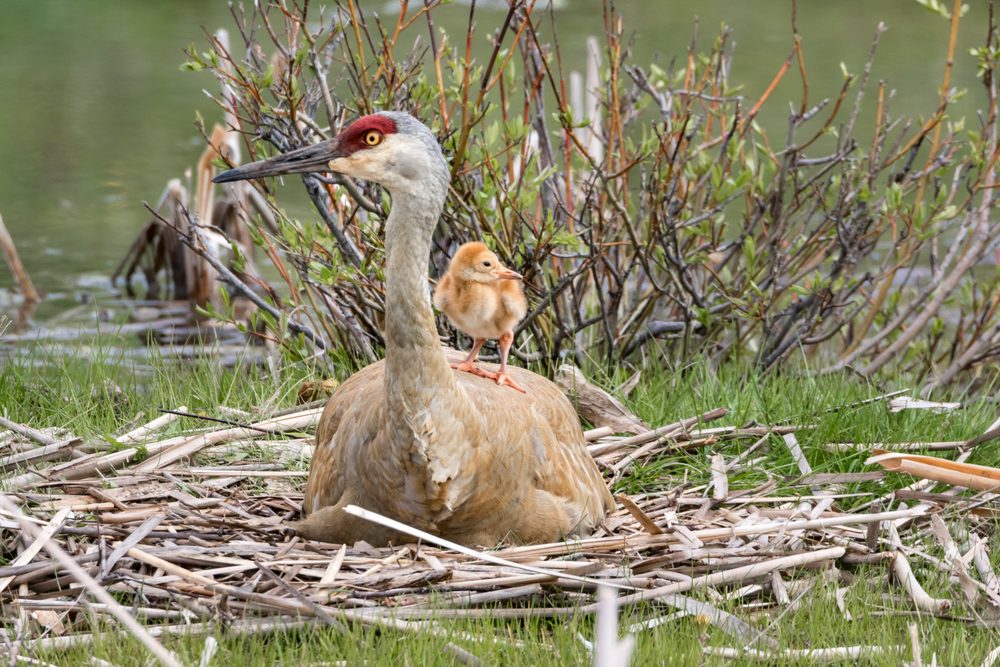
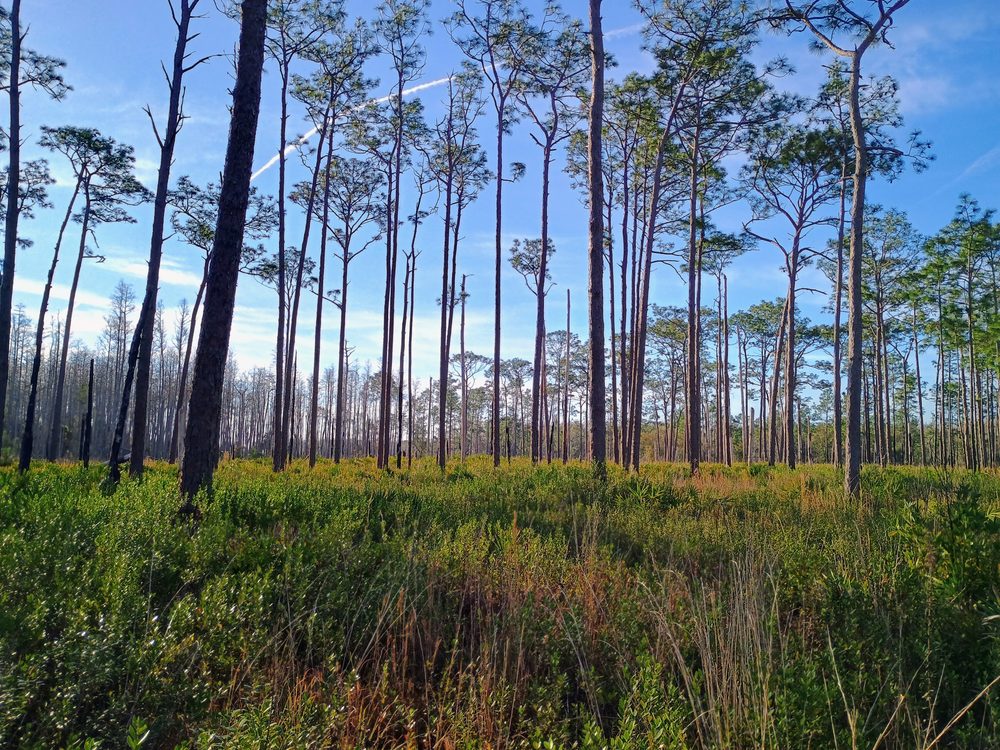
The Willapa National Wildlife Refuge is a broad network of interconnecting waterways, coastal forest, estuaries, sloughs and riparian and river ecosystems. This rich mix of diverse habitat provides refuge for over 200 bird species to rest, nest and winter, including over 30 species of waterfowl (ducks and geese) and over 30 species of shorebirds.
It’s just one stop on the broader itinerary that makes up the Pacific Flyway. For the estimated 300,000 birds that arrive each migration season, it’s an important lay over for them to recharge and refuel. As I learn more about the Pacific Flyway, I think of it as an international air terminal for these very seasoned travelers.
As spring gets underway, the Willapa National Wildlife Refuge is a critical stopover location for these birds, and provides vital nesting habitat, food and shelter. Skirting the coast between Oregon and Washington’s Olympic Peninsula, it’s one of the last stops before these birds head into Canada and beyond.
Partnerships Forge a Wildlife Sanctuary, a Weekend Get-Away.

Extending over 21,000 acres, the Refuge encompasses an expansive, diverse landscape in a region known for its relentless rain.
Though the people who visit are widely outnumbered by the birds, nonetheless, they too flock here for the unparalleled opportunity to recreate amid the beauty this sanctuary offers.
The anglers, the surfers, birders, hikers, paddlers, big game hunters, kite flyers, beach combers, storm watchers: Weekend warriors and get-away seekers find an array of escapes from the city and the daily grind. It’s a destination for the birds, and for anyone who wants to unplug and connect with the rhythms of nature.
Yet, it’s important to remember that it took great effort and extraordinary partnerships to preserve and restore this area to the state I found it in today.
Once, the tidal creeks here were rich with Chum salmon, or pinks, that swam upstream to spawn in the fall. Salmon is an important food source for birds and key to the health of the broader ecosystem. But these salmon-bearing streams underwent drastic change due to the construction of levees and other pressures on the land. Habitat started to disappear and the fish populations plummeted.
Fortunately, an important restoration effort got underway in 2012, focusing on the Bear River estuary. Local Tribes, timber companies, fisheries and conservation organizations came together to restore the estuary and the southern shoreline of the bay. Pulling together resources from diverse sectors brought back the breadth of the ecological and economic benefits of a healthy ecosystem to Southwest Washington.


Bring on the Birds. And More Birds. And then More Birds.
You don’t have to be a birder to appreciate the critical role that the National Wildlife Refuges play in supporting birdlife. Whether you step out along the shore or into the coastal forest, the landscape is alive with avian activity, soaring through the sky, scattered on the shore, bobbing in the waves, tucked in the branches and perched on the rushes.
Migratory birds such as snow geese, trumpeter swans, dunlin, sandpipers, western snowy plovers, red knots and more populate the shore, mudflats, estuaries and wetlands.
Tides rule the day and birders will tell you that it’s best to get out to the viewing spots well before the low tide peaks, as the receding waters draw hungry birds hunting for food. This is a game changer when you’re used to hearing a bird more often than actually seeing it.
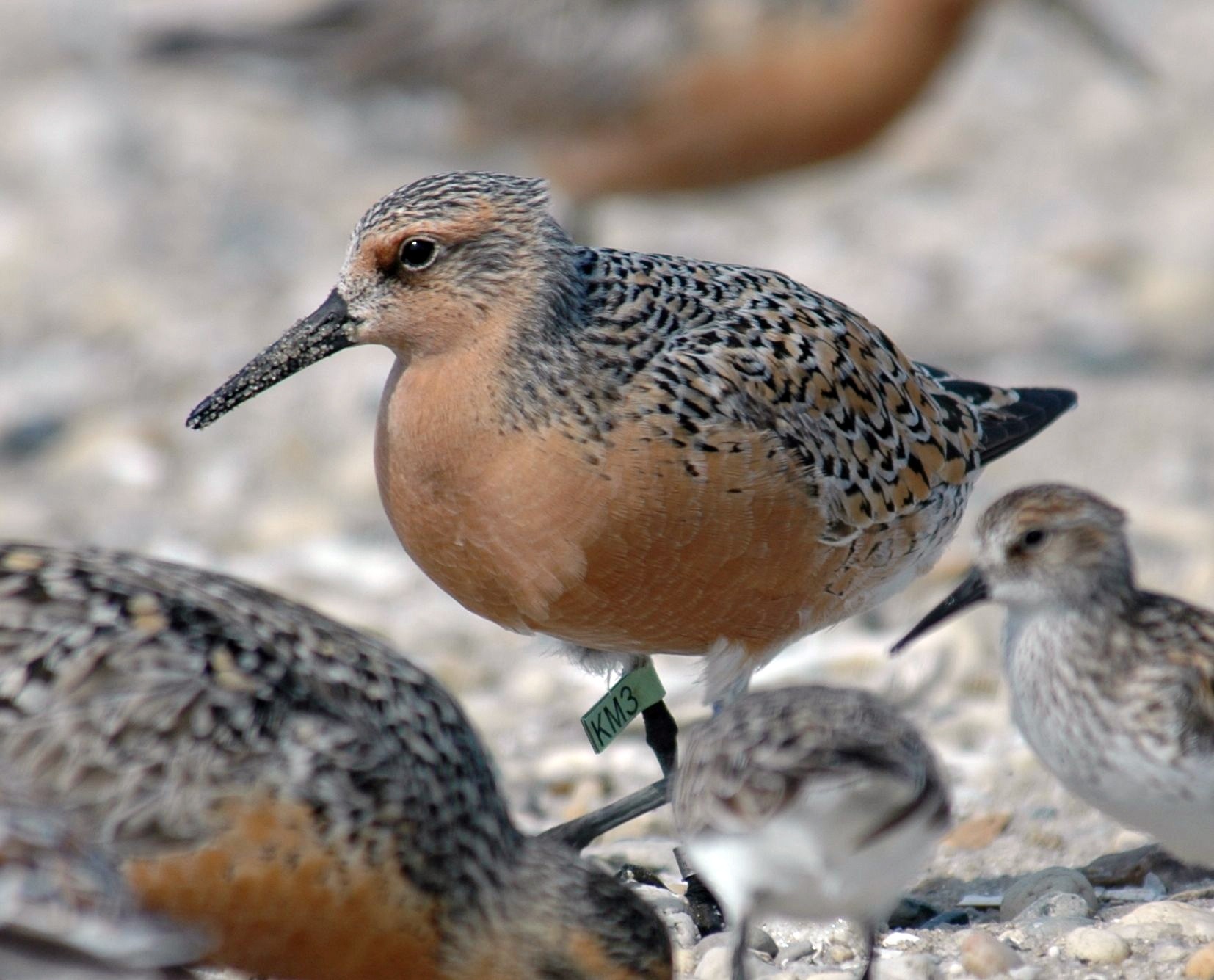

Spring (April – May) and fall migrations (August – October) are the best times to see birds at the Willapa National Wildlife Refuge. Visit the sloughs to find river otters, buffleheads, and common and red-breasted mergansers.
For an amateur birdwatcher like me, it’s exciting to finally distinguish a few migrating bird calls, such as the snow geese and trumpeter swans, and discover how they mingle with the choir of year-round local residents like the belted kingfisher and the great blue herons. But most important, it’s realizing that there are so many spectacular National Wildlife Refuges to discover.
