








We have much more to do and your continued support is needed now more than ever.
Science is for Everyone: Mayors’ Monarch Pledge Cities Monitor Monarch Migration Through Community Science Efforts
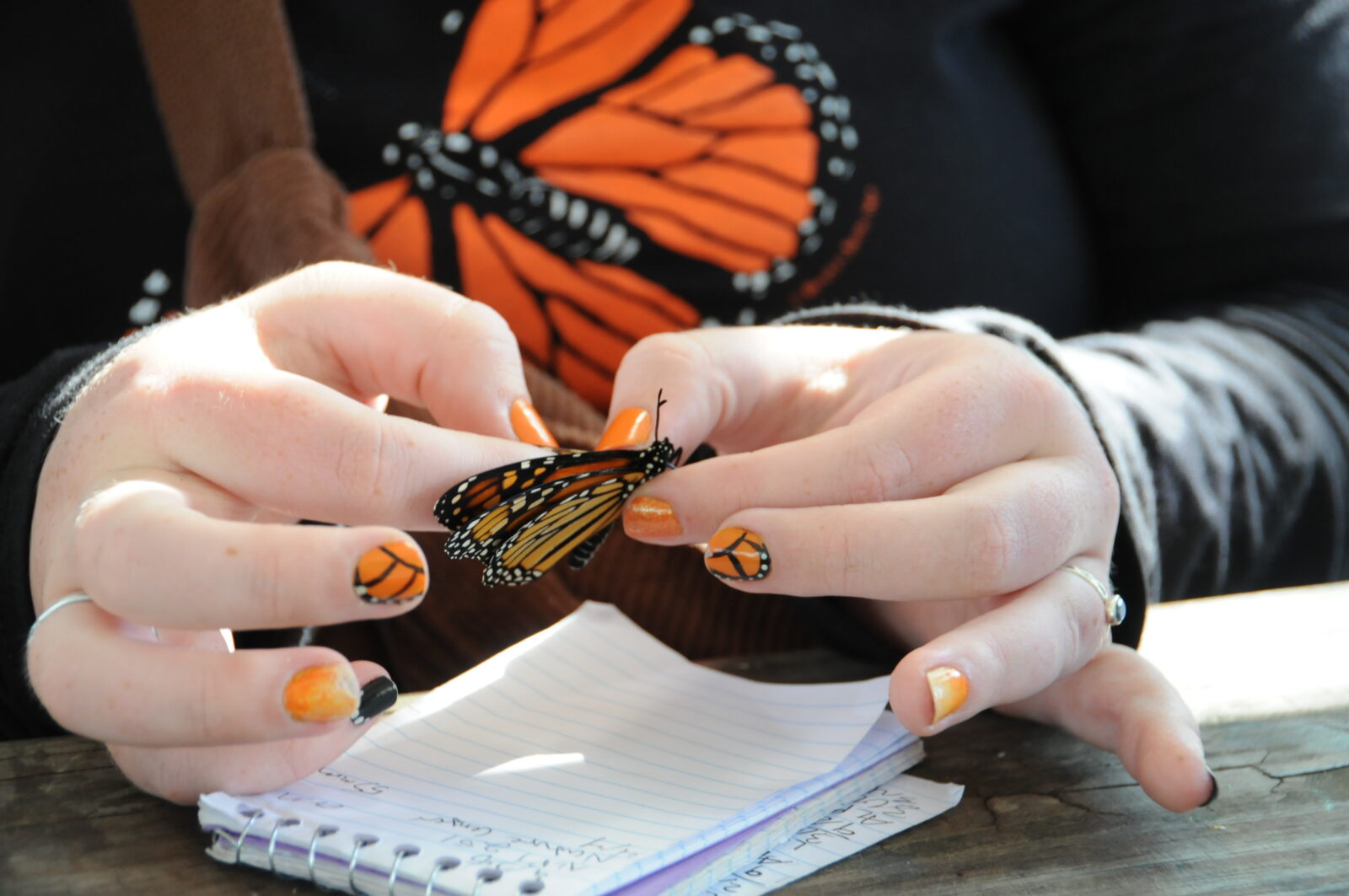
Monarch butterfly tagging demonstration at the Nature Center of Cape May annual Monarch Festival in Cape May, NJ. Credit: Kristal Stahler
Every year, cities participating in the Mayors’ Monarch Pledge program monitor different legs of the monarch migration through community science events. These events encourage individuals to collect data that contributes to scientific knowledge and shapes sustainability efforts.
A large group of community members often has the capacity to collect more data across a broader geographic range than a small group of scientists. When individuals come together in their local communities across the country to track a portion of the migration, they can help scientists develop a more robust understanding of an event that is essential to the survival of the monarch butterfly.
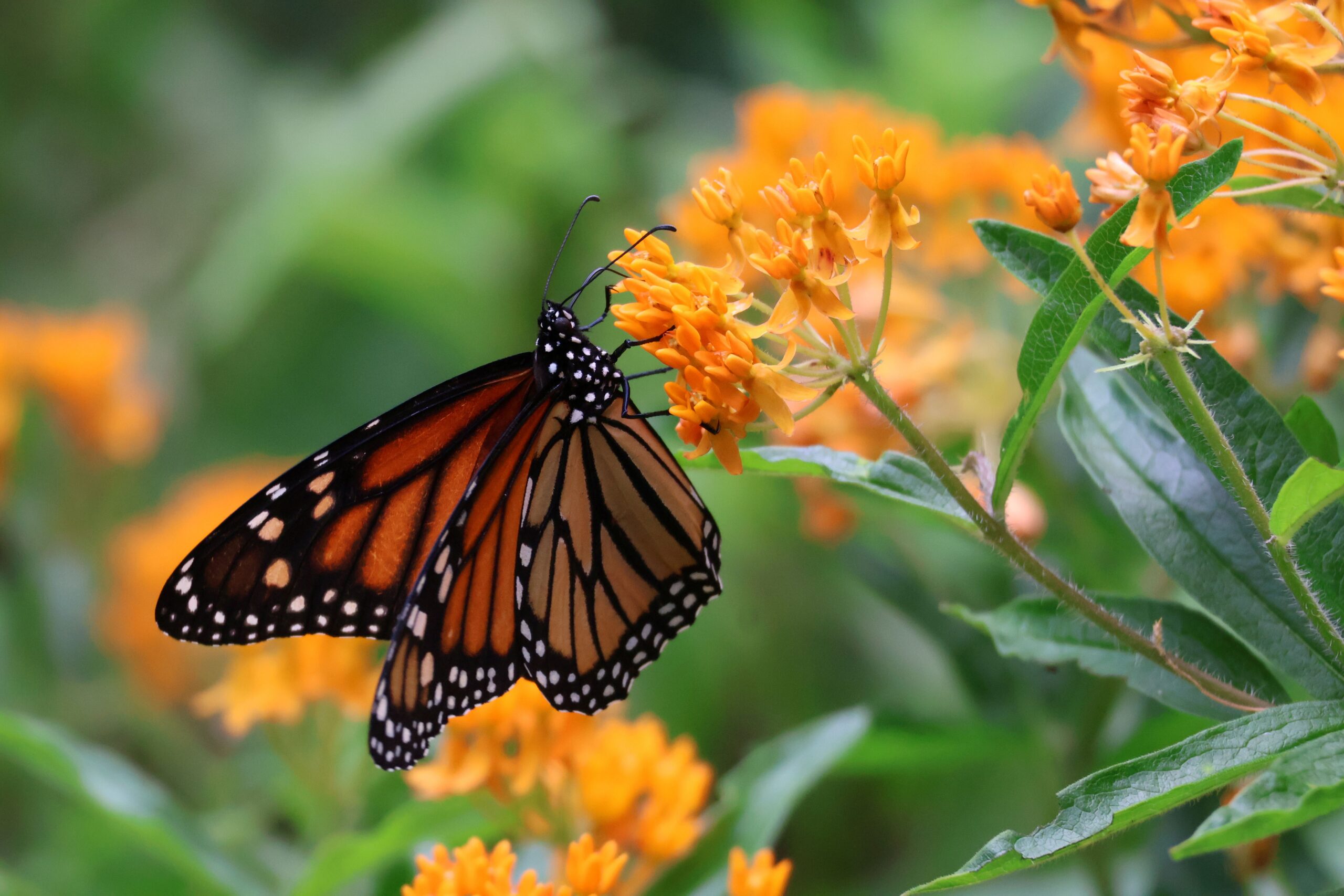
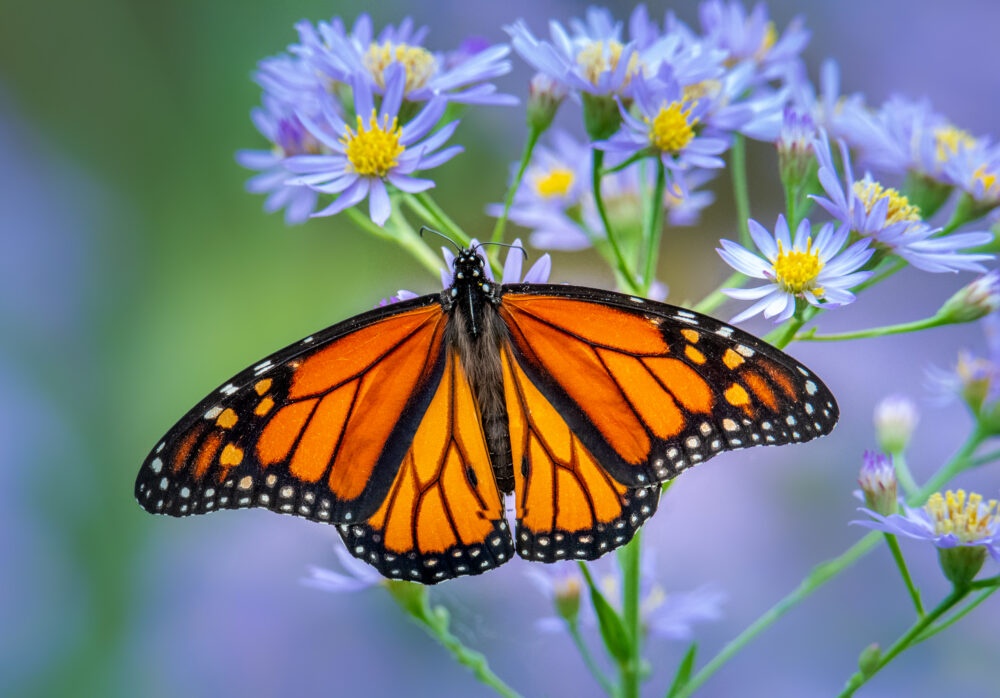
The Eastern population of monarchs begin their life cycle at the overwintering grounds in the south-central states of México and Michoacán. When winter turns to spring, the monarchs begin their journey north and, along the way, female butterflies stop on milkweed plants to lay eggs.
Once these eggs hatch, a new generation continues across the United States towards Canada. It can take up to five generations of butterflies to repopulate the U.S. and Southern Canada before the fourth or fifth generation is born during the fall and tasked with the 3,000-mile trek back to México.
In 2025, 275 communities and 2.3 million people participated in the Mayors’ Monarch Pledge program, and several of these communities led or supported community science efforts to monitor the migration and overall monarch population health.
Aurora, CO
For example, over the course of two events during the fall and spring legs of the migration, residents of Aurora, CO, helped to collect data on the geographic distribution of monarchs, monarch mortality, and the pace of migration. The city also partnered with several environmental organizations to encourage individuals to record butterfly sightings in local parks and open spaces all year round. This data was then shared with the Open Space and Natural Resource Division to inform the town’s environmental protection decisions.
Oklahoma City, OK
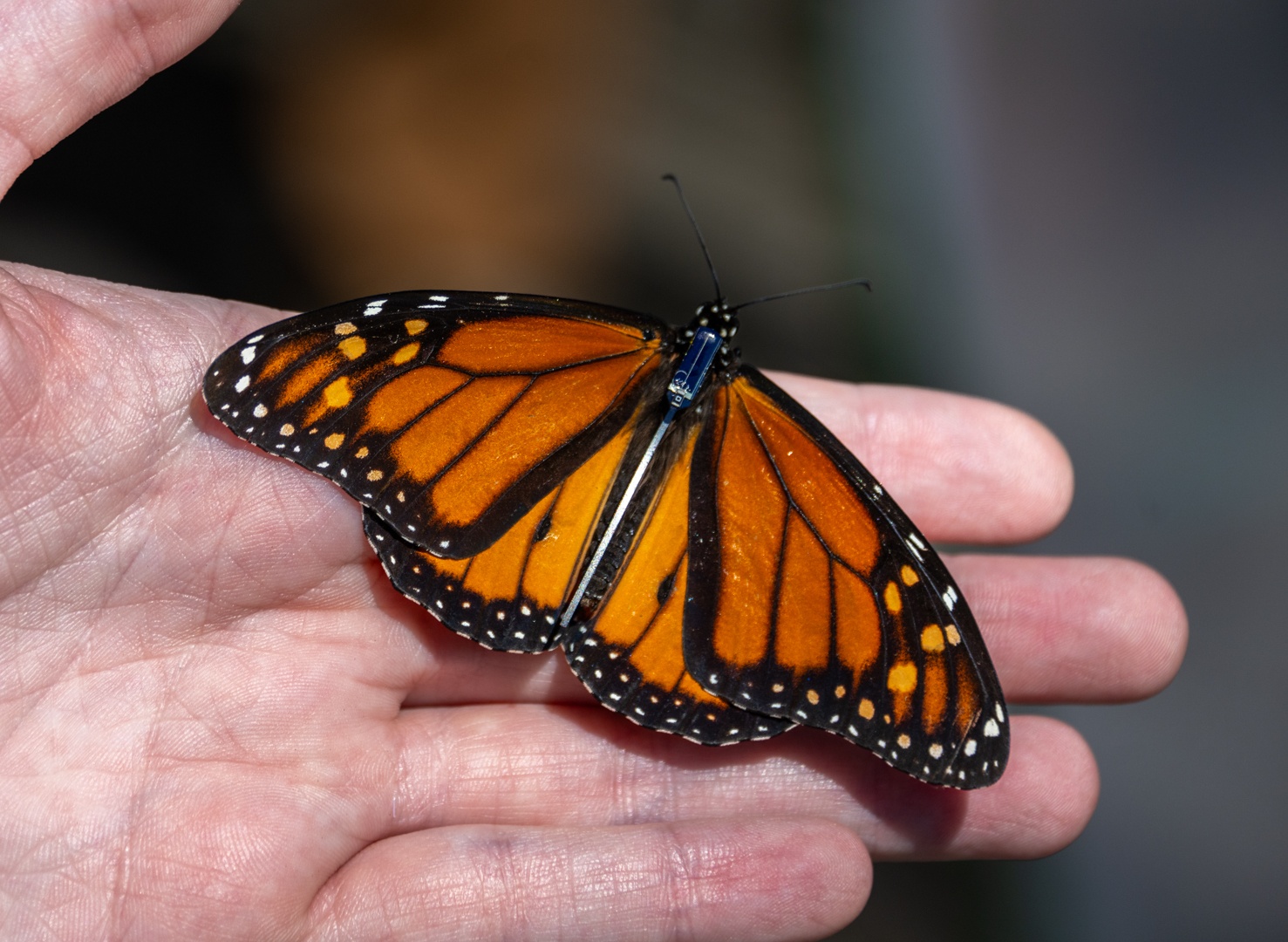
During the fall migration, residents of Oklahoma City, OK, tagged monarchs and collected health data related to butterfly weight, wing size, and the presence of Ophryocystis elektroscirrha, a parasite that infects butterflies. The Oklahoma Zoo, in collaboration with other scientists, also attached radio transmitter backpacks to six monarchs to track the migration pathways.
Des Moines, IA
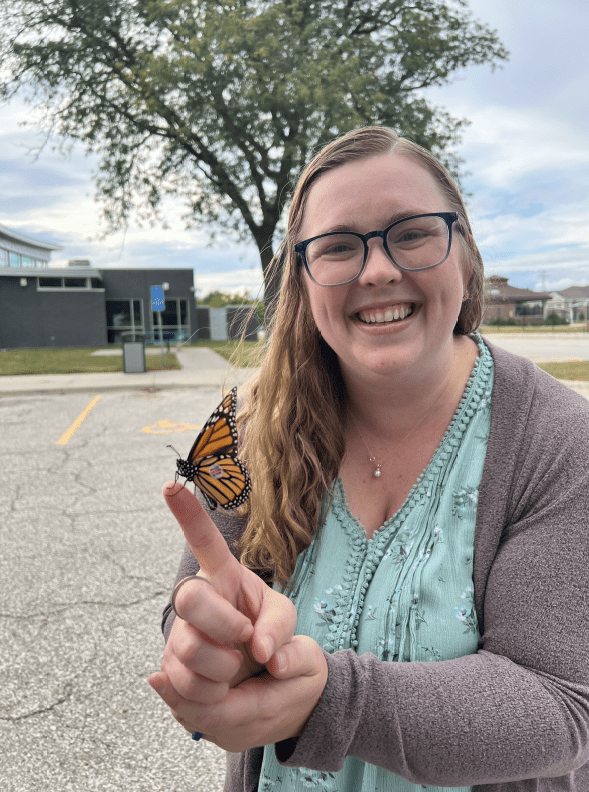
Des Moines, IA, residents are experts in community science as Des Moines Parks and Recreation has been hosting monarch migration tagging events through Monarch Watch, every year for a decade. This past September, they held nine tagging events where individuals tagged and released 200 butterflies on their journey south.
Cape May, NJ
Community science is helpful for data collection, but it can also be an educational opportunity. Cape May Point Arts & Science Center in Cape May Point, NJ, invited Estela Romero, an environmental educator from México, to attend a community science event as a guest speaker.
At the event, she presented scientific knowledge about monarchs while also sharing stories about her years of experience living in the Monarch Butterfly Biosphere Reserve and engaging in monarch protection and education. Participants were then also given a tagging demonstration and shown how they can use an app to find monarchs and upload location data.
In 2026, this work will continue as dozens of cities have already committed to participating in community science efforts. The deadline to pledge has been extended to April 30th, in which over 300 cities and towns across North America are expected to pledge overall.

Migration is a fundamental part of nature, and the monarch migration is one of the world’s most incredible natural phenomena. Habitat loss, climate change, and pesticide use are interfering with this journey and leading to monarch population decline. However, community science teaches us that we are not powerless. All people can play a role in generating scientific knowledge and influencing local environmental practices to protect the living beings in their communities.
Here are some other key ways you can make a difference for monarchs:
- We have developed a 30-second action alert that will send an outreach letter to the local leaders in your community, urging them to step up for monarchs. You can help us by taking action today!
- Are you your city’s mayor or leader of the local or Tribal government? Take the Mayors’ Monarch Pledge by April 30th here!
- Create and certify your monarch habitat through NWF’s Certified Wildlife Habitat® program.
- Participate in the annual International Monarch Monitoring Bioblitz.
