







We have much more to do and your continued support is needed now more than ever.
Defending the Conservation Science that Safeguards Wildlife, Water, and Communities
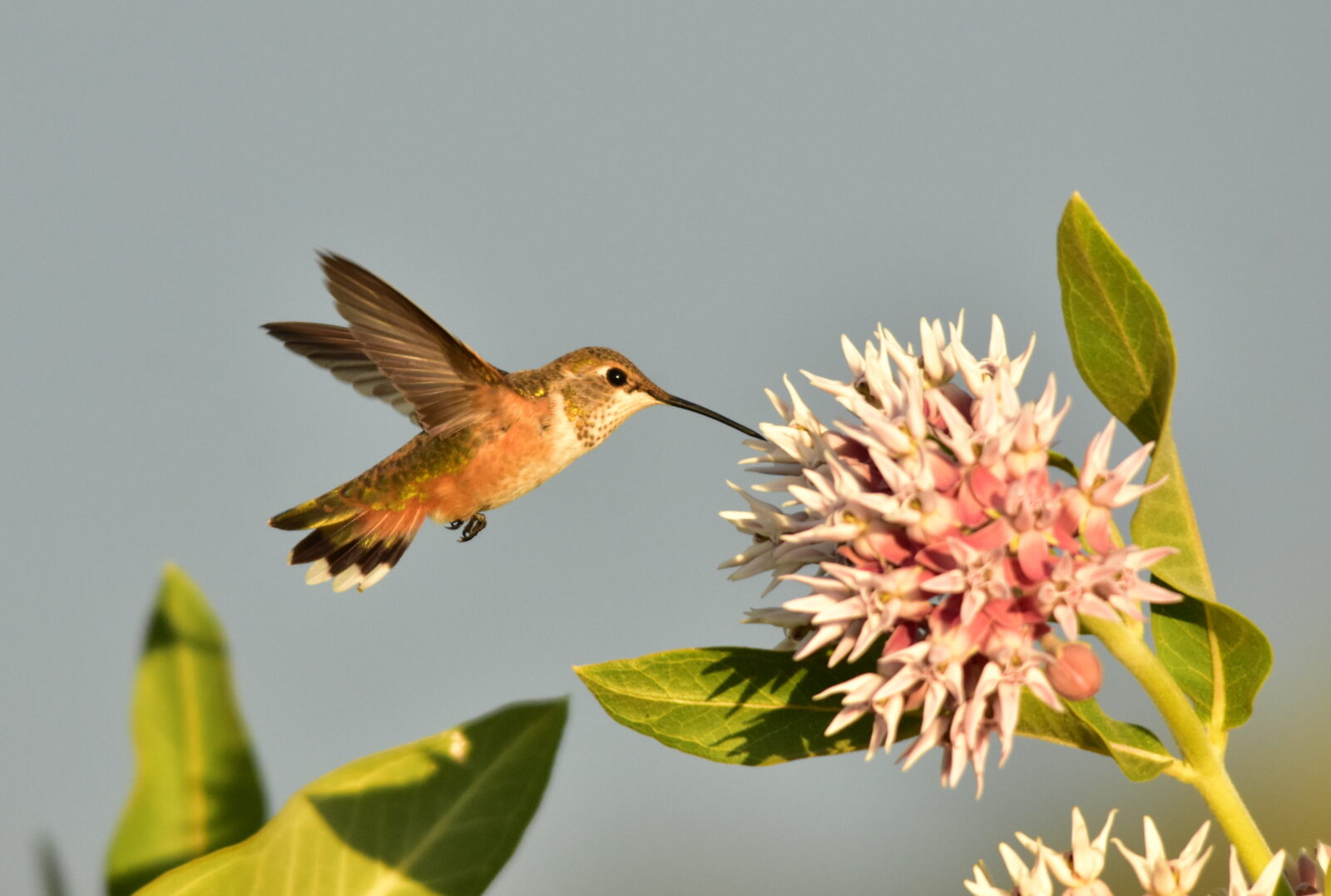
A rufous hummingbird sips nectar from a showy milkweed flower.. Credit: Tom Koerner/USFWS
The conservation science and programs that protect our nation’s wildlife, air, and water have faced unprecedented threats over recent months. Federal agencies are facing deep funding cuts, closures, and the loss of expert staff—threatening the health of ecosystems, communities, and the species we love.
From pollinators that keep our ecosystems thriving, to clean water programs that safeguard our health, these federal services are essential to our way of life.
Despite the steep challenges, people like you have been making a real difference, and we will continue elevating your voices.
Your Advocacy is Working.
In May of this year, we learned that the United States Geological Survey Ecosystems Mission Area (USGS EMA)—home to programs like the Bird Banding Lab, the Bee Lab, and climate adaptation resources for Tribes and communities across the country—was at risk of elimination. You spoke up. In fact, thousands of you joined together for our Rally for the Cornerstone of Conservation Science, demanding that your members of Congress protect funding for the EMA.
And Congress listened.
Despite the White House’s proposed budget cuts, both the House and Senate chose to fund the USGS Ecosystems Mission Area in their appropriations bills, along with other critical programs like:
- State and Tribal Wildlife Grants – helping species of greatest conservation need before they become endangered
- U.S. Fish and Wildlife Service (USFWS) Science Applications program – applying the science conducted across federal agencies to protect vital habitat, including on private lands
This is proof: When we raise our voices together, we can make change happen.
The Fight Isn’t Over.
Congress still hasn’t passed a fiscal year 2026 budget, and many programs remain on the chopping block—and many are already suffering staff layoffs and closures. These include, but are not limited to:
- USGS Ecosystems Mission Area
- USFWS Science Applications
- U.S. Forest Service Research Stations and Laboratories
- Environmental Protection Agency’s Office of Research and Development
- National Aeronautics and Space Administration (NASA) Earth Science Division
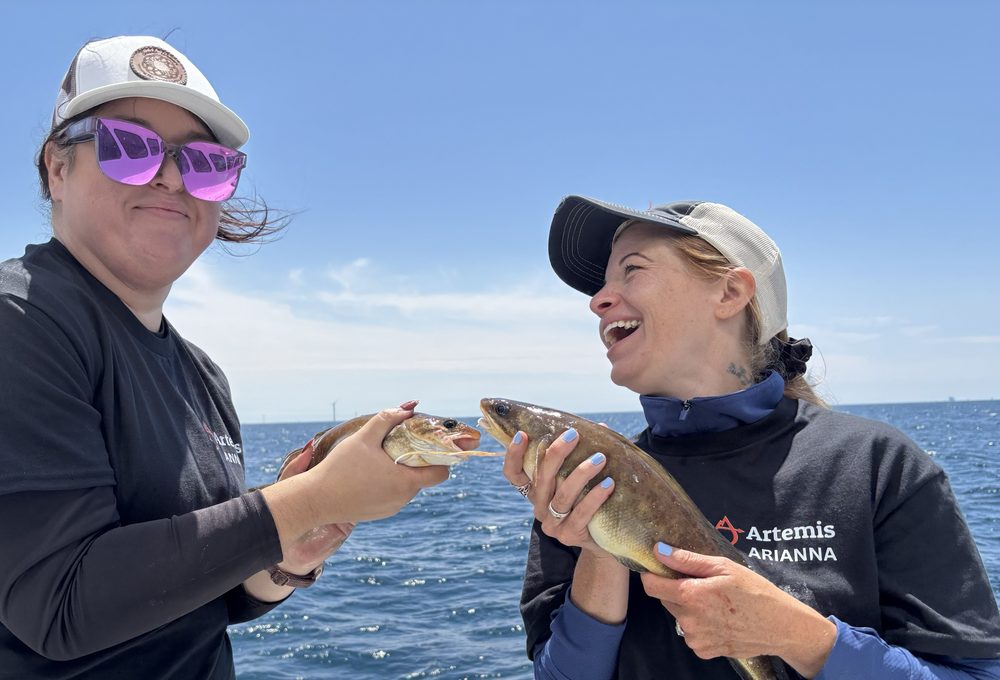
- National Oceanic and Atmospheric Administration (NOAA) Fisheries
In addition to the staffing and budgetary cuts that have been facing conservation science, the administration is working to deeply weaken one of the most important laws protecting our most imperiled species: The Endangered Species Act.
Without urgent action, we risk losing not only crucial conservation protections—but the expert scientists, engineers, and other staff who make them possible.
As you can see, the threats are numerous. But that’s never stopped us before, and it certainly won’t now.
What’s at Stake For You
This fight isn’t just about wildlife “somewhere out there.” It’s about the clean water you drink, the air you breathe, the places you love to hike, hunt, or fish, and the species that make our ecosystems thrive.
Federal conservation programs:
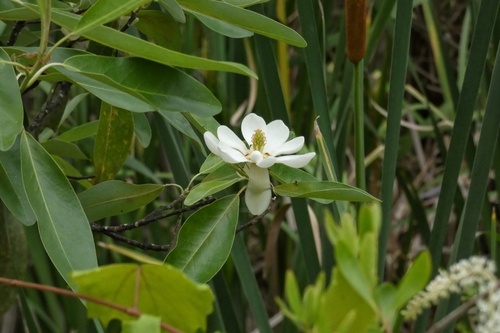
- Safeguard wetlands that shield communities from flooding.
- Protect salmon runs that sustain coastal economies and Indigenous lifeways.
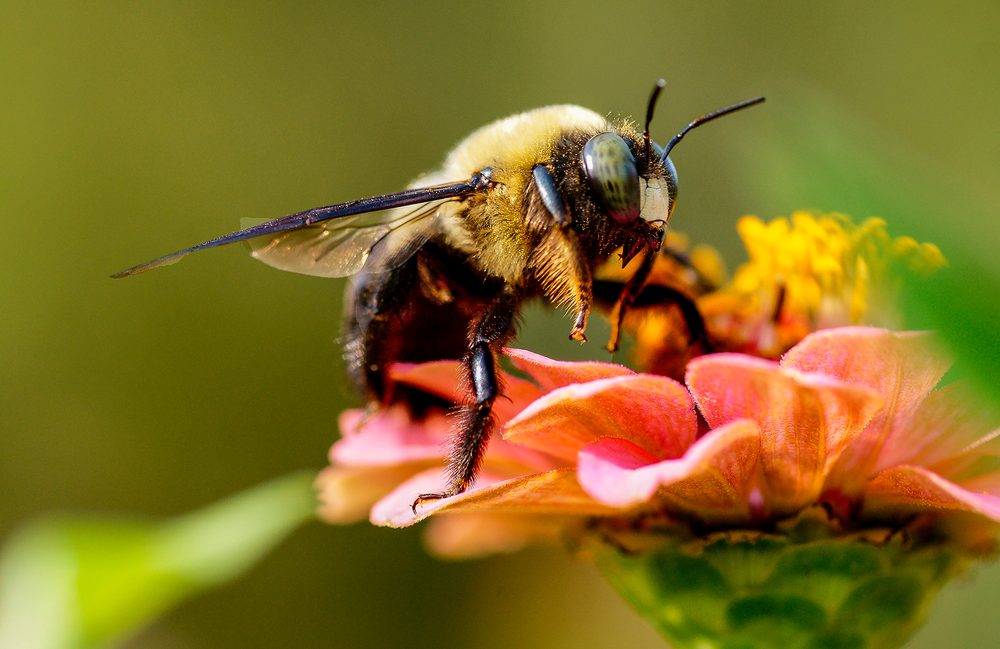
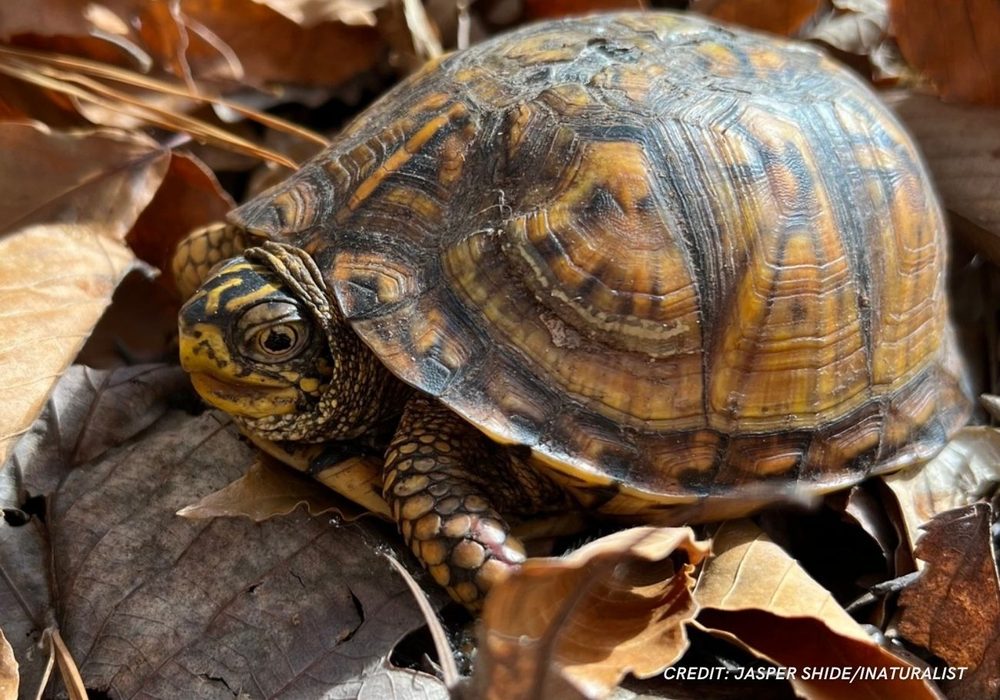
- Monitor pollinators that underpin healthy, functioning ecosystems.
When these programs disappear, the ripple effects hit every one of us.

Two Ways You Can Make a Difference Right Now
It will take all hands on deck to create the urgently needed support for ALL of the federal programs that protect the diversity of species found across our country, and the air, waters, and lands that keep them and our communities healthy.
We need to show our elected officials—from Congress to the White House—that people across the country care deeply about protecting conservation science, and that this is a top priority for the public they serve.
1. RSVP for America’s Forum for Wildlife on August 28th at 12 pm ET
Join the National Wildlife Federation and partners for a virtual national event bringing together scientists, policy leaders, youth advocates, and community voices from across the country.
During the Forum, you will:
- Hear updates on the current threats to federal conservation programs.
- Learn about recent wins and how they happened.
- Take action together—sending personalized messages to your elected officials in real time.
2. Lend your voice on social media
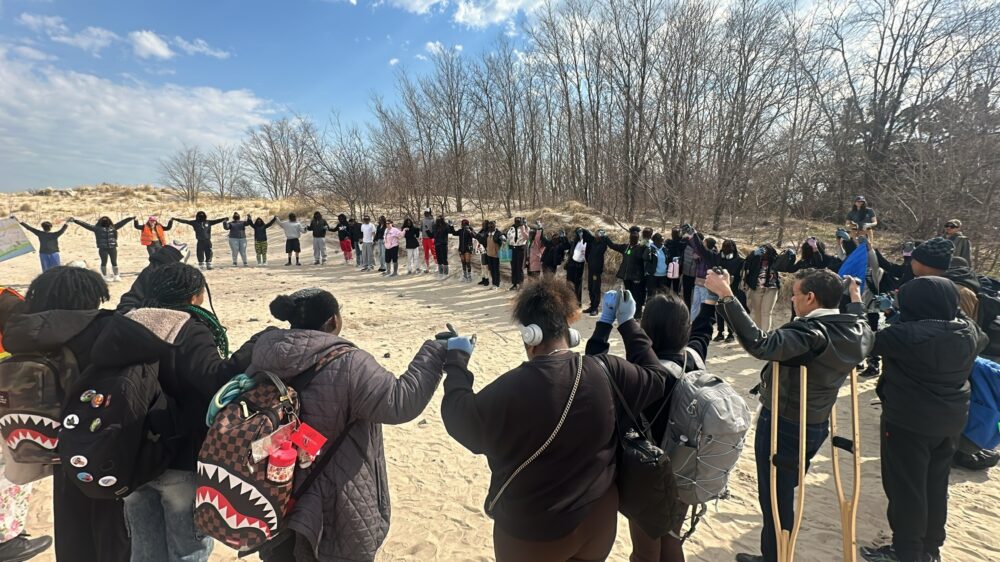
Personal stories are the most powerful way to show elected officials what’s at stake in their communities, and we want them to hear us everywhere. Share a message or story on social media, and we will compile them for delivery directly to Congress alongside Forum participants, partner organizations, and youth leaders.
What to share:
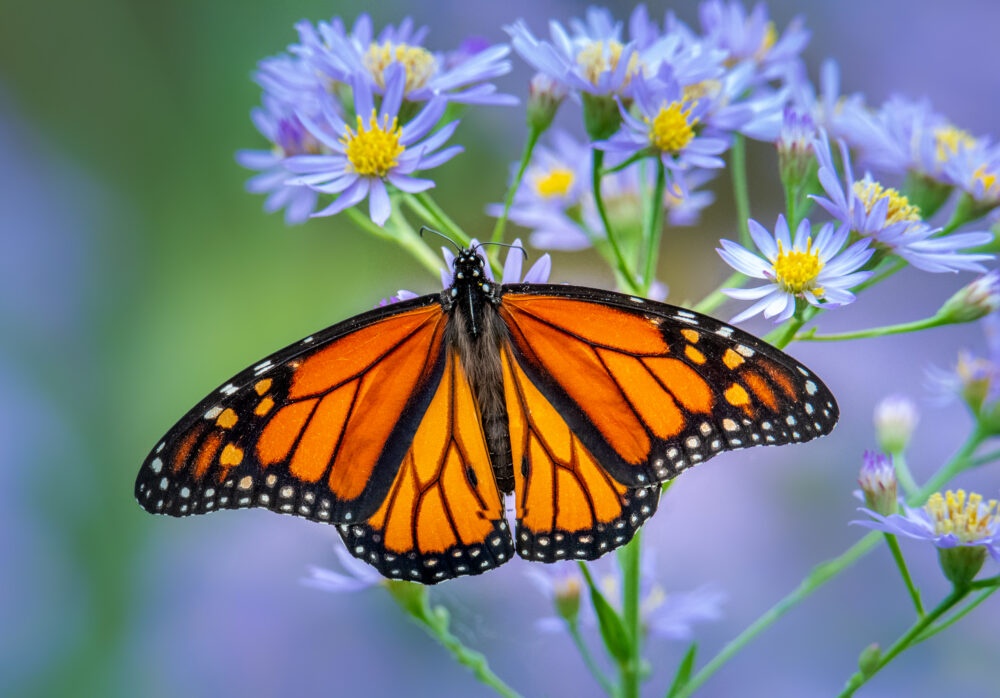
- A species you care about (e.g., monarch butterflies, salmon, black bears) and why;
- A place that matters to you (e.g., a local wetland, national forest, neighborhood park); and/or
- A program that’s made a difference in your community (e.g., urban forestry, water quality monitoring, habitat restoration).
How to share:
- Record a short video (30–60 seconds) or write a post on social media.
- Tag your members of Congress (find them here) and and use hashtag #StandUpForWildlife so we can find your posts.
- Make sure your post is public so we can include it in our compilation video of all the posts shared and play it on Capitol Hill in Washington, D.C.
Why it matters:
Your message or story will become part of a coordinated public message to federal leaders: Protect the science that protects us all. When combined with thousands of others, your voice can influence decisions that determine the future of wildlife, our environment, and our communities.
Together, We Can Protect What Matters Most
Federal conservation science is the backbone of wildlife protection, clean water, and healthy lands—and it’s powered by people like you. By showing up and speaking out, we can ensure these programs have the needed funding, expertise, and support.
Register for the Forum
Share Your Message or Story
When we act together, we can secure a healthy future for people and wildlife alike.
