








We have much more to do and your continued support is needed now more than ever.
Managing and Harvesting Pine Straw for Wildlife

Herbert Hodges lifting pine straw in one of his longleaf pine stands. Credit: Tiffany Woods
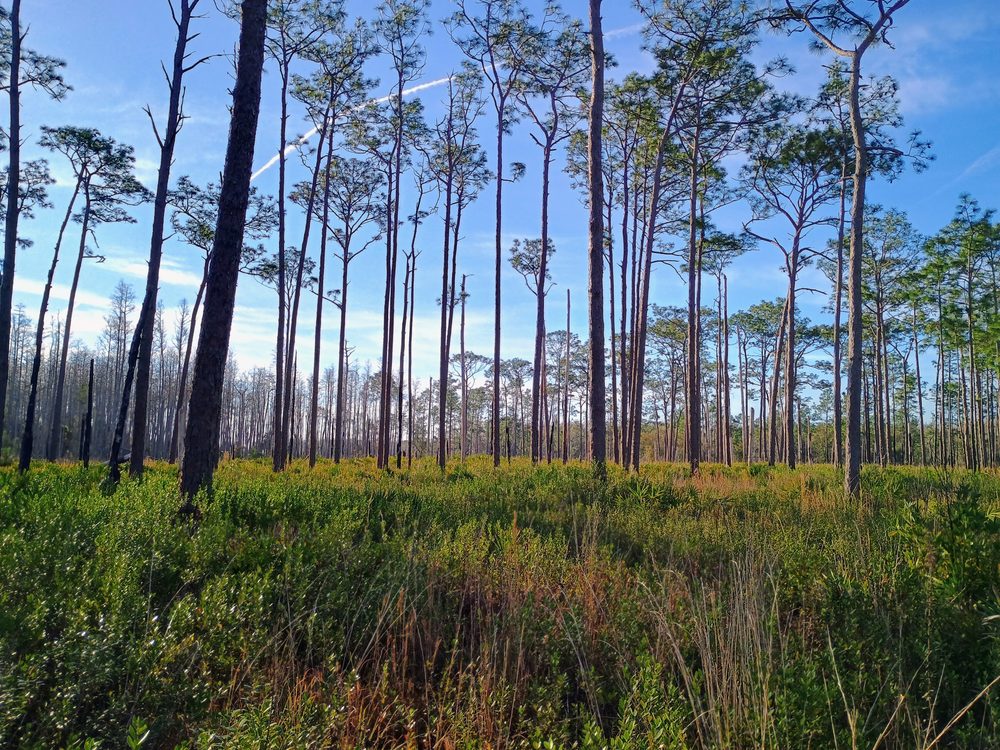
You can’t travel far in the American South without seeing longleaf pine straw in residential flowerbeds, industrial complexes, or highway landscapes. The red-orange mulch dominates the landscaping industry because of pine straw’s many garden, landscape, and health benefits, including their longevity, weightlessness, nitrogen levels, and pest-free nature. This demand makes pine straw a highly profitable operation for landowners.
Unfortunately, commonplace management and harvesting options do not treat pine stands well, as methodology like herbicides and mechanical raking threaten ecosystem health and biodiversity. Although efficient, these procedures may deter wildlife and damage pine trees, resulting in reduced growth and increased susceptibility to bark beetle attacks and, at worst, mortality.
But for landowners wanting a sustainable option, hope isn’t lost—wildlife-friendly methods are out there! The National Wildlife Federation’s Southeast Forestry program is creating a pilot program to help private landowners restore and conserve longleaf pine habitats that lean into wildlife-friendly pine straw harvesting and management. This will allow landowners to earn premiums off their product and reach new customers while being environmentally conscious.

Mindful Practices for a Thriving Stand
To achieve a wildlife-friendly pine straw stand, landowners must first lower herbicide rates. Although herbicide helps deter unwanted vegetation, it threatens native understory plants. By lessening herbicide levels, landowners will sustain that vegetation, providing food and cover for quail, turkey, songbirds, pollinators, and other wildlife. But that isn’t the only benefit. Less herbicide means less chemical runoff and, therefore, minimal soil impacts. And where there’s happy soil, there’s happy wildlife.
Stand management? Covered. But what about harvesting?
As noted earlier, mechanical raking can be damaging, but hand raking? Now that’s a much healthier option. This more labor-intensive method isn’t suitable for every landowner, but for those who can swing it, they’ll find critters eternally grateful. In collecting pine straw by hand, landowners won’t hurt the delicate groundcover plants they’re striving to protect. The aforementioned root damage will be avoided as well, keeping the soil stable and, consequently, reducing erosion.


Ground Zero
The pilot program wouldn’t be successful without a landowner helping spearhead operations, and in this case, that’s Mr. Herbert Hodges. Herbert, a retired veteran, educator, and timber producer, oversees the Willie Hodges Family Farm Estate, 600 acres of land in Emanuel County, Georgia that has been in his family since the 1880s. With the help of the Natural Resource Conservation Service (NRCS) and Georgia Forestry Commission, he has transformed approximately 400 acres into longleaf pine since 2010.

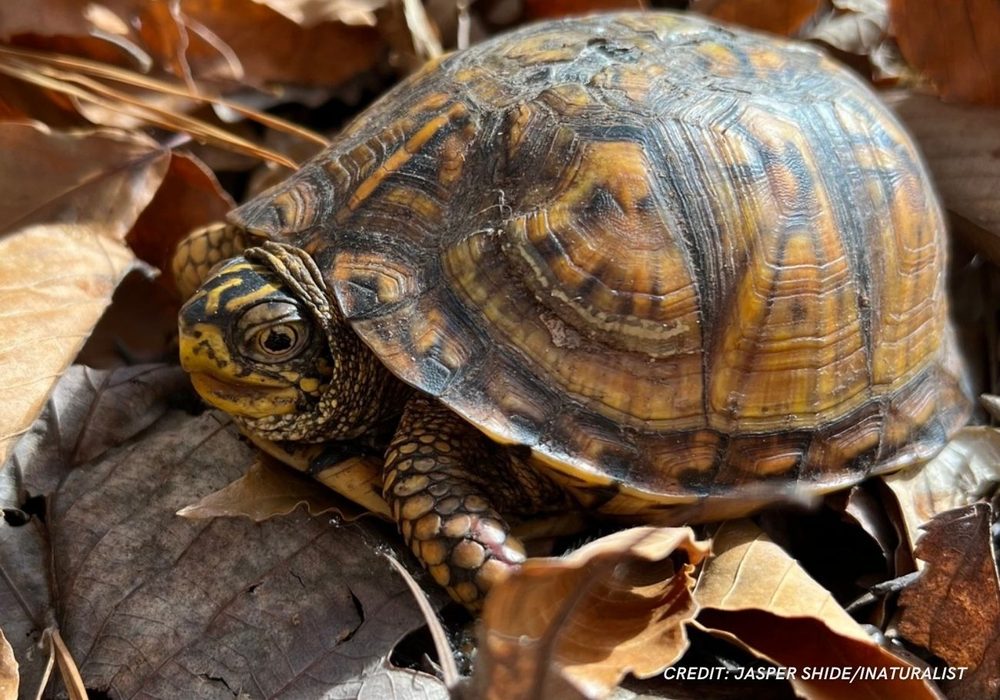
In an interview with NRCS, Mr. Herbert Hodges said, “After 12 years of restoration, the wildlife has returned. I see many more turkeys, fox squirrels, and gopher tortoises. After restoration, they picked up their suitcases and moved in. I don’t know where they came from. They weren’t there when we were planting.”
And that’s just longleaf pine restoration. In tending to the understory, the Willie Hodges Family Farm Estate is forecast to become a haven for wildlife that, simultaneously, will generate income for Herbert and his family. For a landowner that finds joy in the wildlife that calls his family land home, this is a project that couldn’t be more fulfilling. After all, who wouldn’t want to make a living while nurturing something they love so dearly?
Wildlife does not have to be collateral in pine straw operations, and that’s what the Southeast Forestry program strives to convey through this new program. Because the indigenous flora and fauna don’t solely need us to survive. We need them. If we don’t remember that, we’ll lose ourselves to the modern world—a world that neglects the planet that provides us everything we need to survive. And that would truly be devastating.
