










We have much more to do and your continued support is needed now more than ever.
National Wildlife Refuges: A Birdwatcher’s Paradise

Sedge wren, Minnesota Valley National Wildlife Refuge. Credit: Mike Saccone
Birding sits at the intersection of so many of my interests: the solitude of nature, the beauty of wildlife, and the excitement of discovery. Blend in my longtime love of photography, and the gravitational pull was too much to resist.
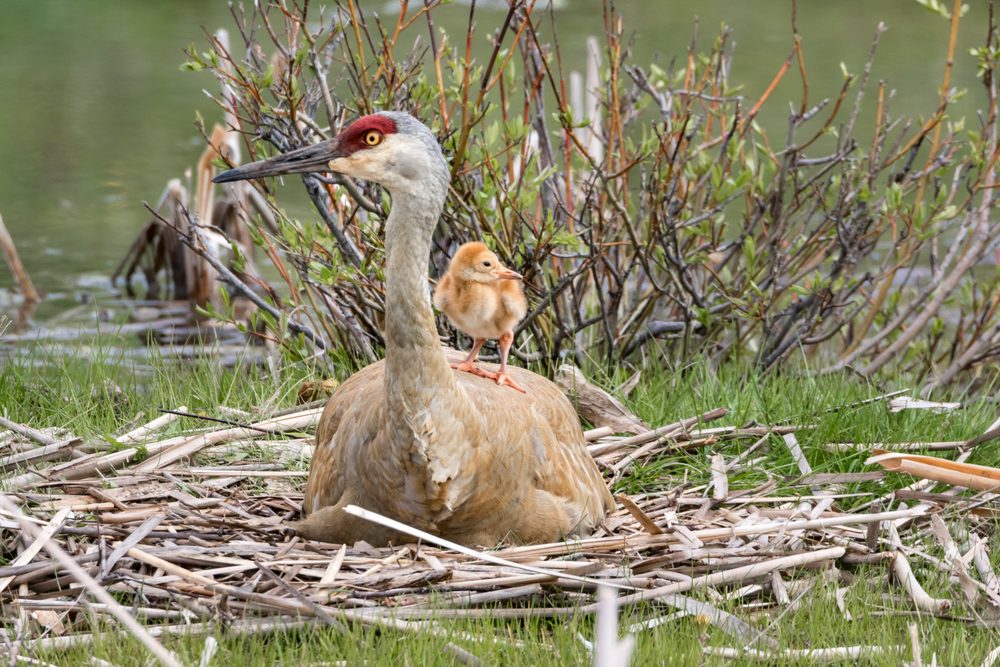
From backyard Baltimore orioles to transient cerulean warblers and theropodian heron to truly ineffable American woodcock, birding was the excuse I needed to rediscover so many public lands, including our national wildlife refuge system.

National wildlife refuges offer some of the best opportunities to dodge the crowds, get outside, and observe birds in their native habitats.
There are more than 573 federal wildlife refuges across the country—and many just a stone’s throw from major metropolitan areas. Unlike national parks and forests, there is a national wildlife refuge in every state and U.S. territory.
Chances are there is at least one refuge within an hour’s drive of where you live. The Bayou Sauvage Urban National Wildlife Refuge is located just outside New Orleans and features some of the most beautiful herons, egrets, and songbirds the Southeast has to offer.

The Patuxent Research Refuge, which is just a stone’s throw from our nation’s capital, is a great alternative to the bustle of Washington, D.C., and home to overwintering waterfowl, osprey in the summer, and colorful songbirds like tanagers, kinglets, finches, sparrows and pine warblers.

Just eight miles from downtown Denver, the Rocky Mountain Arsenal National Wildlife Refuge is best known for its roaming bison herd—but it also harbors bald eagles, burrowing owls, hawks, and belted kingfishers.

Driveable Refuges
The concerns of Edward Abby notwithstanding, not everyone is able to hike, horseback, or cycle our public lands. Fortunately for birders and other nature lovers alike, many federal wildlife refuges are easy to explore by car. Two of my favorites in the Mid-Atlantic, Blackwater National Wildlife Refuge and Bombay Hook National Wildlife Refuge, are easy to explore with the moving blind that is your car. Whether you’re using binoculars, a scope, or a camera, iconic species are easily observed in roadside ponds, grasslands, and forests.


In a world that often feels crowded and fast-moving, our national wildlife refuges offer something increasingly rare: space to slow down, look closely, and reconnect—with nature and with ourselves. Whether you’re chasing a life list, testing a new lens, or watching a flock settle into a marsh at dusk, these places remind us that wonder doesn’t require a plane ticket or a long trek into the backcountry. It’s waiting just down the road, in the quiet flutter of wings and the thrill of a new sighting—proof that some of the richest experiences are still the simplest.

