




We have much more to do and your continued support is needed now more than ever.
Why Conservationists—and Everyone—Should Care About the Right to Vote
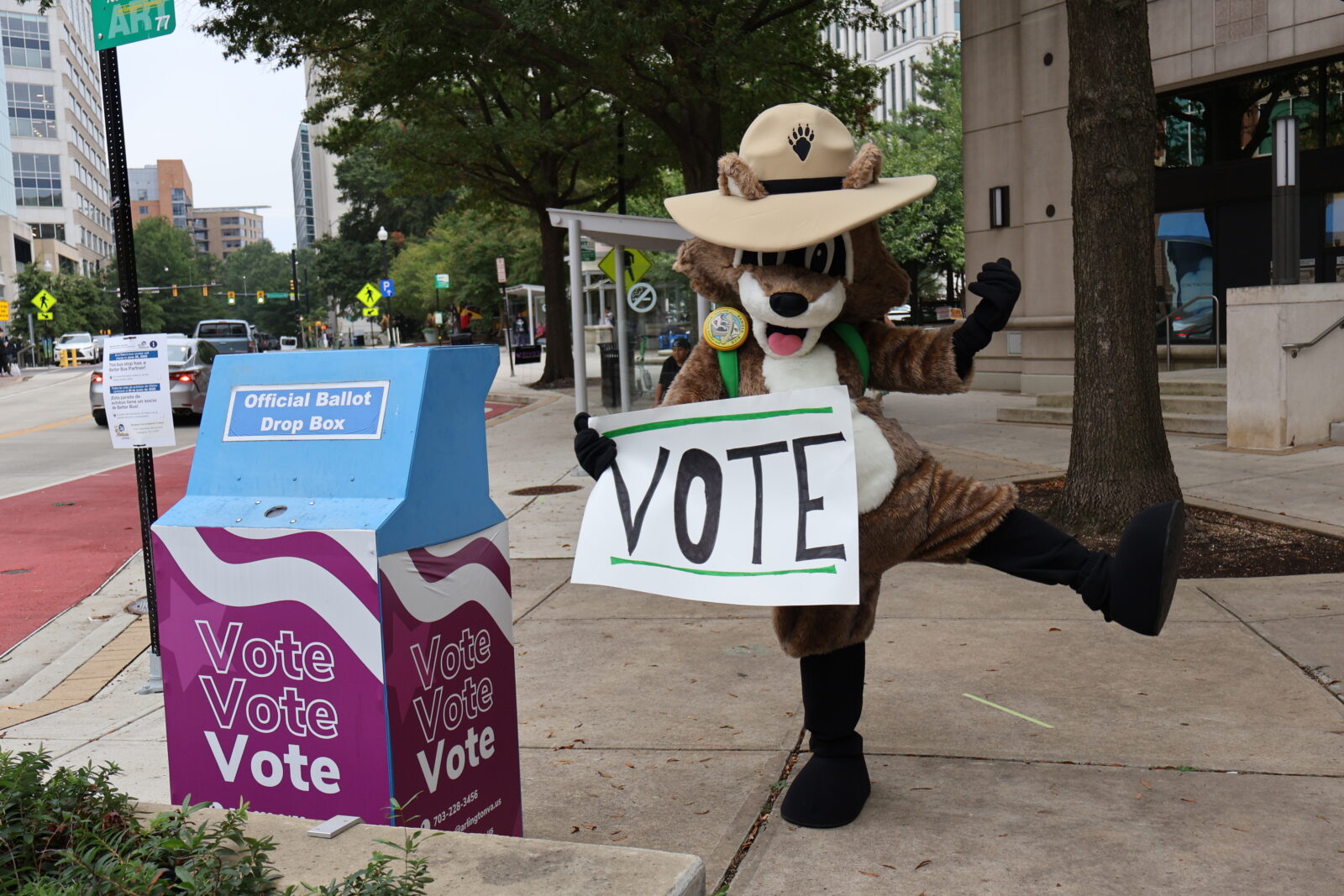
People from all walks care about our country’s wildlife, beautiful natural landscapes, and other issues affecting their lives and communities. We all rely on clean air, clean water, and intricately intertwined ecosystems that help prevent wildfires and flooding.
At its best, our democracy connects Americans’ concerns and needs with the decision-makers who can address them. Foundational, essential conservation laws like the Clean Water Act and Endangered Species Act became possible only because the public made their voices heard and engaged with their leaders through our democratic processes.
When people are asked to vote for wildlife on ballot measures, they regularly do—by overwhelming margins. In 2024, for example, ballot initiatives supporting conservation received over 60% of the vote in Washington, Minnesota and Louisiana.
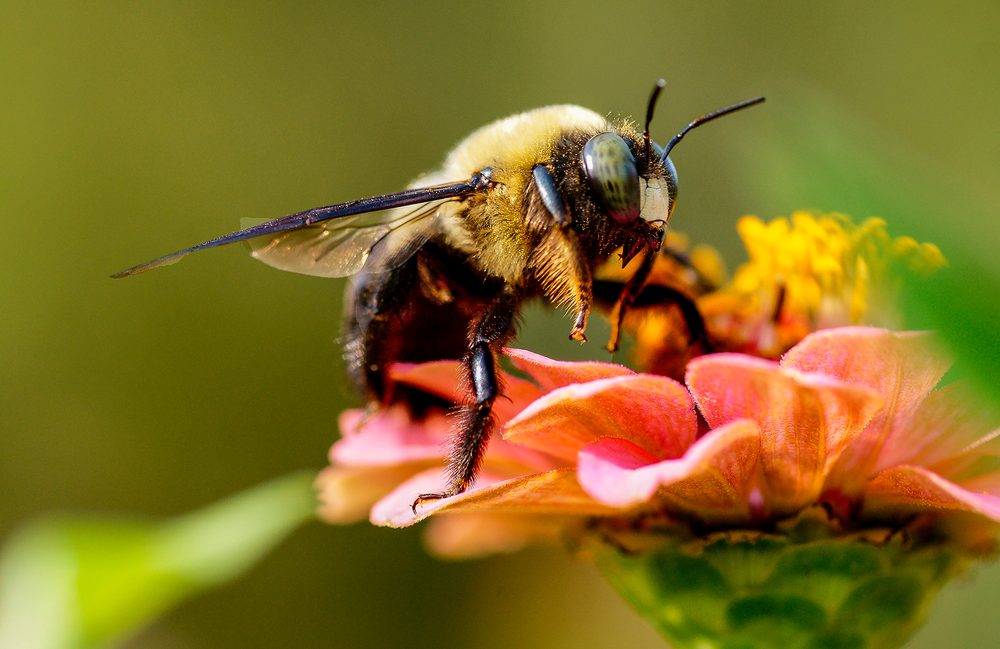
Local, state and federal policies shape our lives in big and small ways, no matter where you live. Can homeowners grow native plants on their lawns? Where can hunters, anglers, hikers, and bikers go to find natural spaces? How do we fund programs to protect freshwater mussels, which filter toxins from our waterways, or native pollinators, which hold up our food systems?
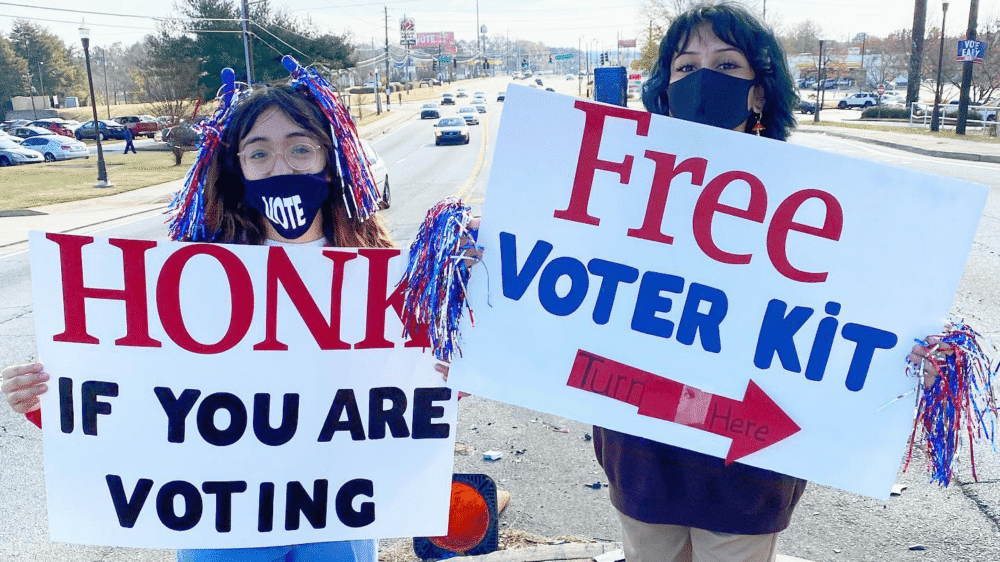
Participating in democracy—whether by voting, volunteering at the polls, contacting our representatives, or other actions—means having a say in the answers. It’s how we shape the future of wildlife and people.
Why We’re Talking About Voting Now

Officials in Congress and the White House have recently been discussing actions that would significantly change how eligible voters register and cast their ballots. Thanks to intense public pressure and opposition, two of these proposals—the Safeguard American Voter Eligibility Act and the SAVE America Act—have been stalled in the Senate. But these bills remain on the table, along with many other state- and federal-level proposals that could create new barriers to registering to vote and casting a ballot.
These additional hurdles may disproportionately impact women, rural residents, natural disaster victims, military families, people with disabilities, and others. They may also increase the amount of money, time, and people needed to oversee elections, imposing new administrative burdens and costs on states and election officials.
Research and election data consistently show that it’s extremely rare for people to try to vote when they’re not supposed to. At the same time, it’s common for eligible voters to be deterred from casting a ballot when the costs—in time, money or resources—become too high.
So What?
In a strong democracy, everyone should be able to vote and make sure their voice is heard on issues they care about, whether it is wildlife conservation, the environment, the economy, or other issues affecting our communities.
Fair, accessible elections are central to the National Wildlife Federation’s mission of uniting all Americans to ensure wildlife thrive in a rapidly changing world. A healthy democracy is a critical foundation for our work to protect habitats, combat climate change, defend our public lands, pass down our outdoor heritage and ensure clean water and clean air for all, and more.
Explore NWF’s nonpartisan voting tools and resources, learn what’s at stake, and find ways to get involved to protect wildlife, our communities, and our democracy.
