











We have much more to do and your continued support is needed now more than ever.
Riverscape Restoration: Where the Grass is Greener on the Riverside
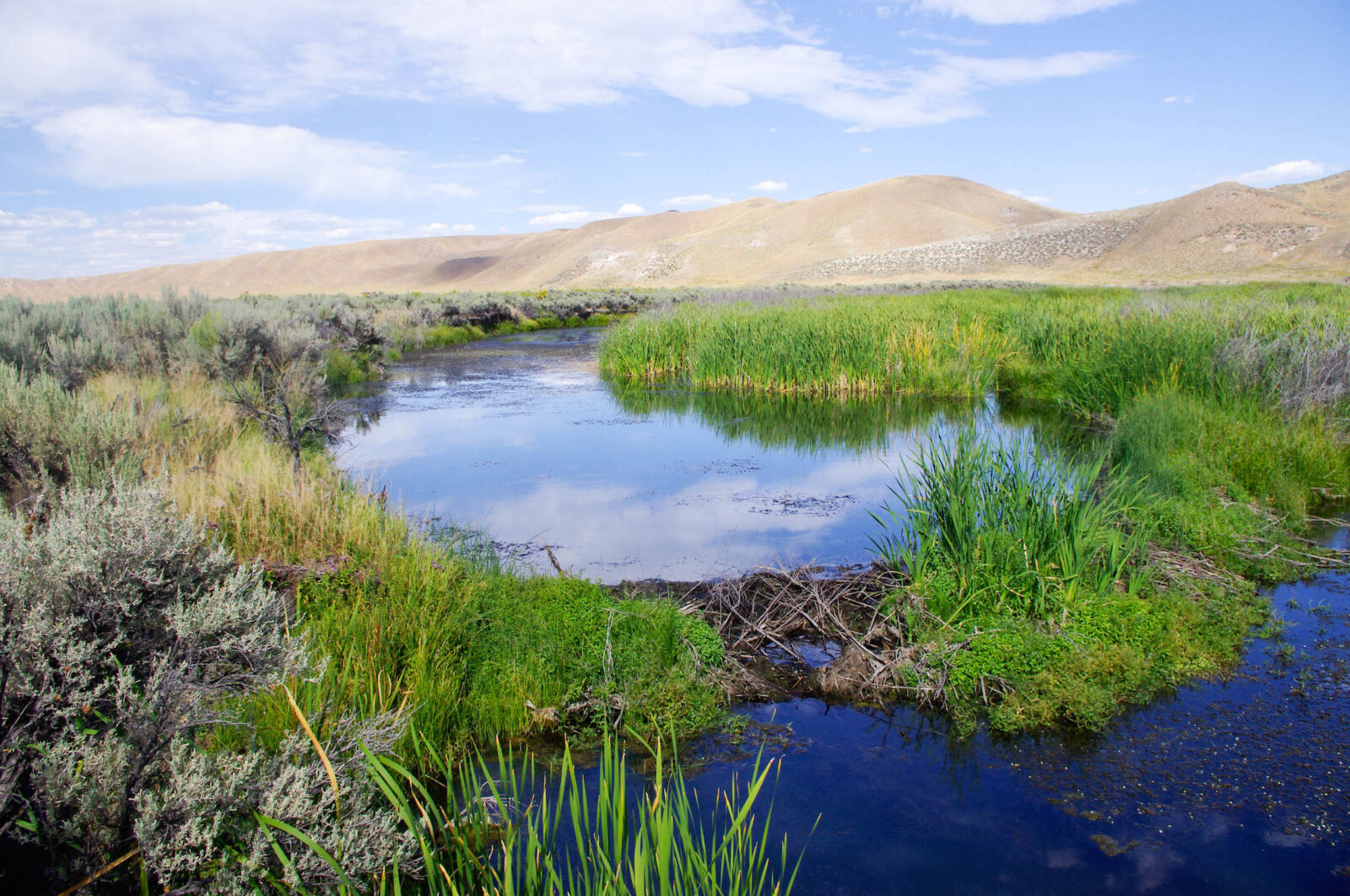
Maggie Creek in 2011, following almost 20 years of restoration efforts. Credit: Elko District, Bureau of Land Management
In the middle of Northern Nevada’s desert landscape, Maggie Creek stands out like a beacon. Its streambanks boast a diversity of vegetation, including grasses, cattails, and willows. During some of the hottest, driest months of the year, the slow-moving waterway continues to flow.
If you were to rewind a few decades, the scenery would look very different. Up until the early ‘90s, Maggie Creek’s watershed mirrored much of the surrounding landscape: it sported almost no vegetation, and its lower water levels provided for limited wildlife.

This change didn’t happen by accident. Scientists, natural resource managers and ranchers worked together to tweak grazing patterns and improve conditions for beavers. Beaver dams, or human-made imitations, slow streams down; this helps ensure more water reaches the plants, soil and groundwater reserves.
At Maggie Creek, the restored creekside habitat has improved water availability for cattle herds, prevented soil erosion along the streambanks and created new wildlife habitat—including for Nevada’s state fish, the threatened Lahontan cutthroat trout.
In the West, this type of low-cost, high-impact restoration work is a commonsense tool for addressing water availability, severe wildfires and persistent drought. That’s why NWF is working with partners across the Colorado River Basin to spread awareness of these techniques and the benefits they can provide for people, wildlife and the land itself.
Show Some Love for Slow, Messy Rivers
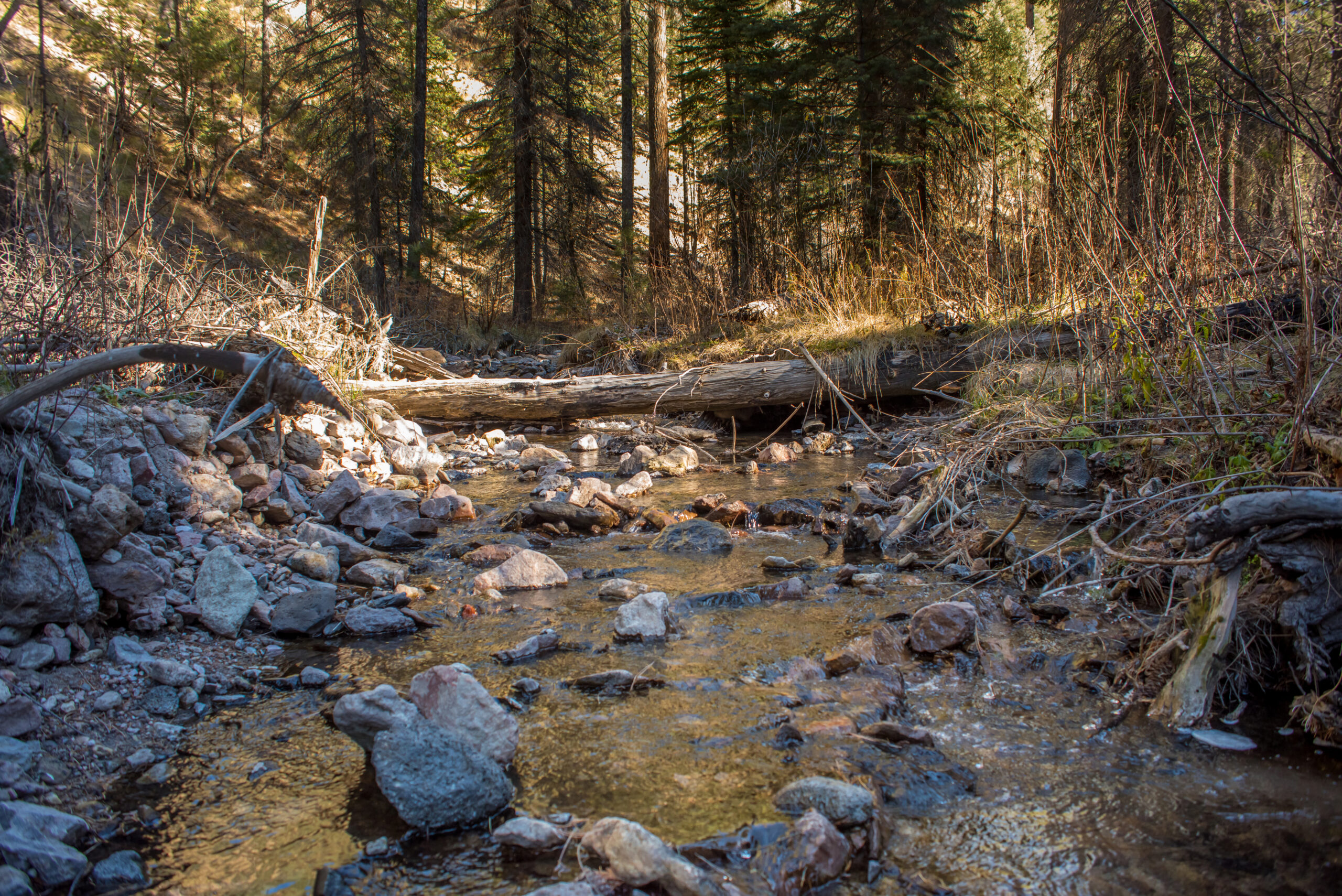
When people think of healthy waterways, they often think of narrow, fast-moving channels. In reality, healthy riverscapes are messy and complex. Meandering paths, side channels and added woody debris all help reduce soil erosion—enabling trees, native plants and wildlife to flourish along the stream’s banks.
The ecosystems around our waterways also provide crucial protections for communities across the West. Healthy riverscapes filter pollution from the water, form natural firebreaks and provide a buffer from impacts of both flooding and drought.
When the land along our rivers functions naturally, it acts as a sponge, slowing down water and keeping it on the landscape for longer. The wet, saturated soils and vegetation do not readily burn, so they serve as natural firebreaks. When healthy riverscapes are located near burned areas, they help to reduce the amount of sediment that would otherwise move downstream into reservoirs or water treatment facilities—improving water quality and reducing treatment costs.
Unfortunately, most riverscapes in the West are a tiny fraction of their former footprint, leaving them unable to provide the benefits we need most. Most have been hemmed in by buildings, roads and other structures. These restricted waterways are less capable of serving their role as nature’s sponges, leaving communities more vulnerable to persistent drought and severe wildfires.
Low-Tech, High Reward—Restoring Riverscapes the Natural Way
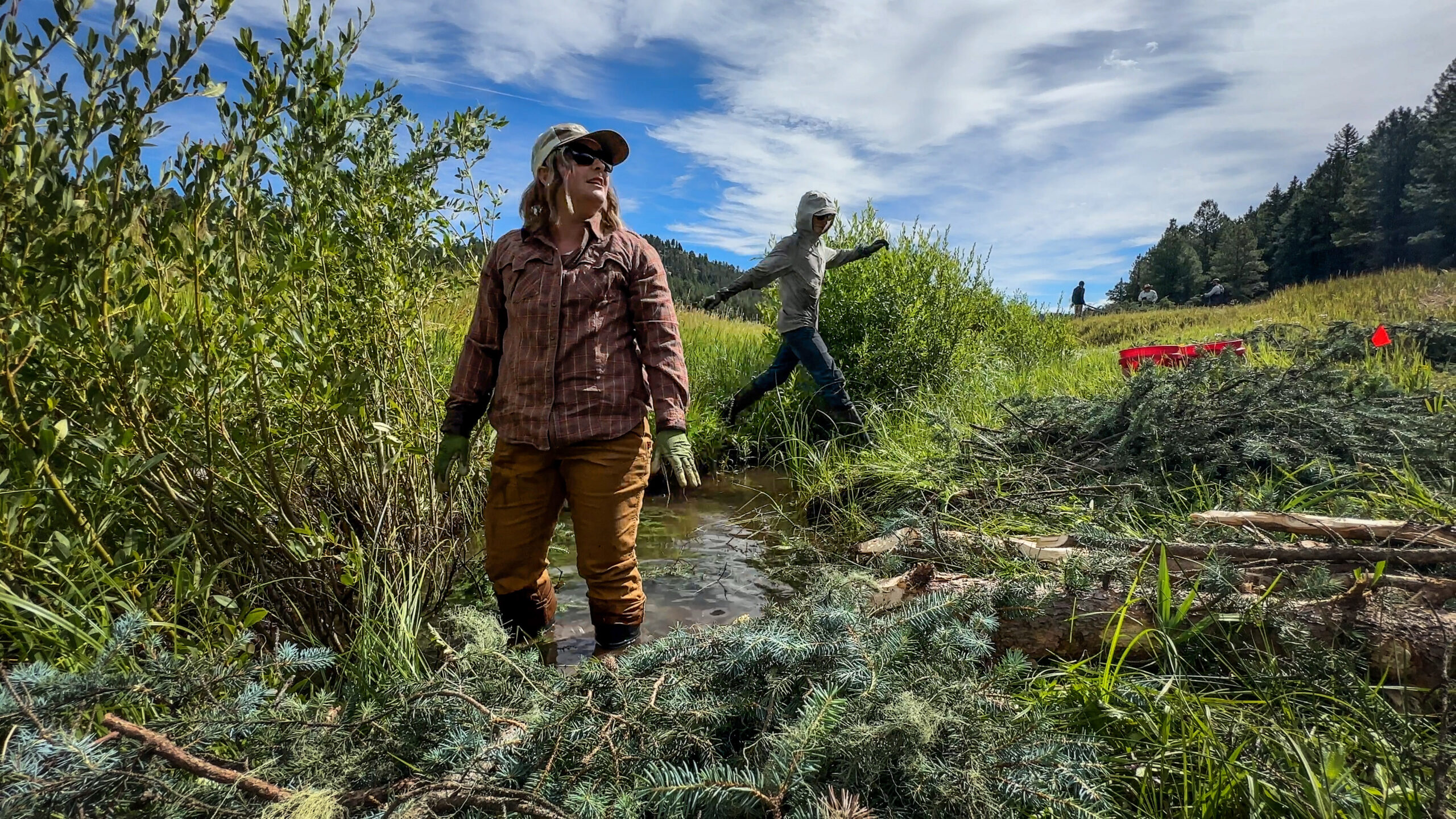
Beavers are the original stream engineers, and encouraging beaver activity is one key tool for connecting water to all parts of the floodplain. But it’s not the only option for restoring riverscapes. We can also create our own “off-brand” beaver dams. This tactic involves adding simple structures or tree branches to degraded streams to form a debris jam, which will filter sediment, slow water flows and improve habitat.
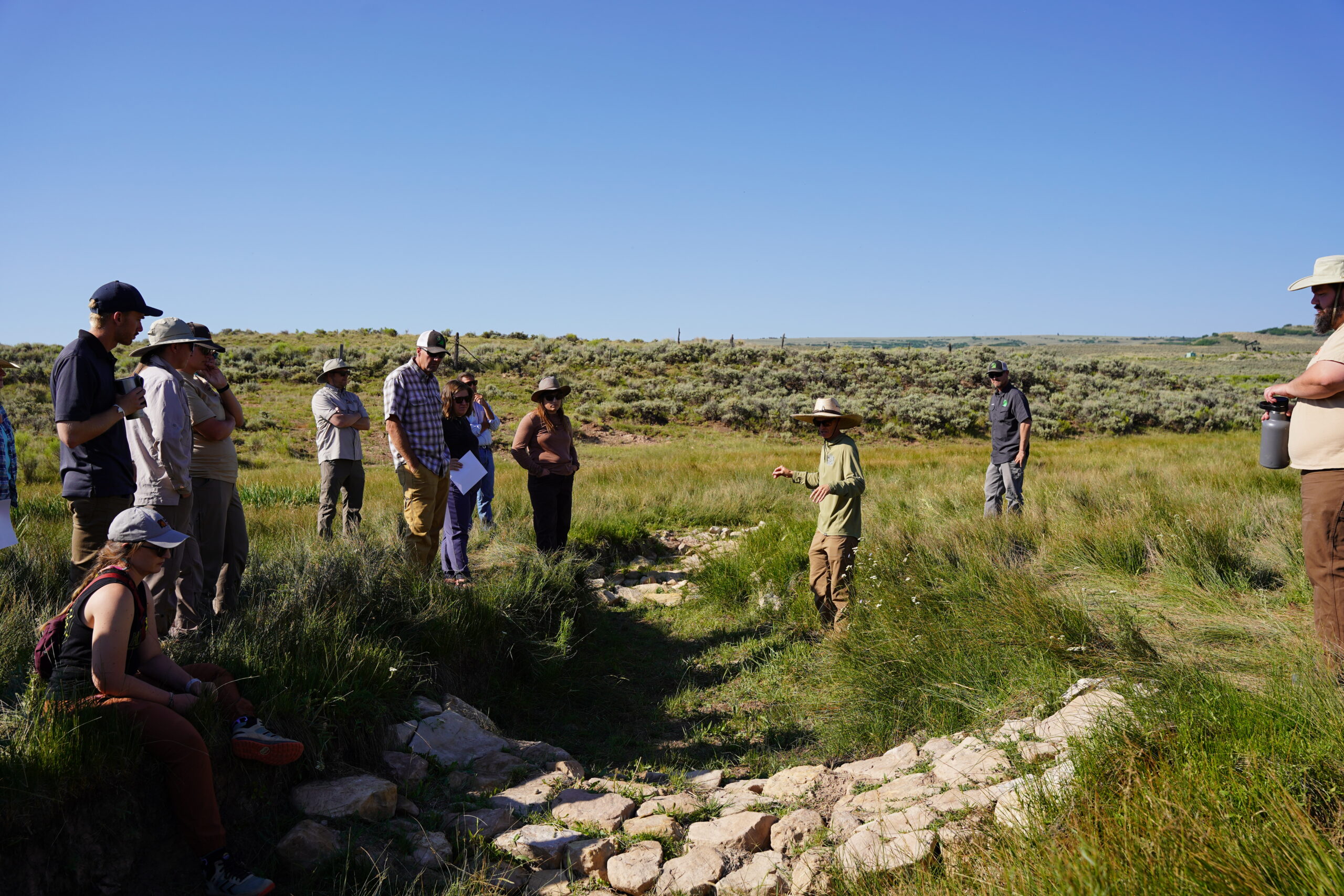
Different waterways and landscapes will call for different designs. For example, restoration strategies may differ between perennial streams, which run year-round, and ephemeral streams, which might only flow sometimes. Methods as simple as “One Rock Dams,” in which rows of rocks are installed across a channel in a single layer, can effectively slow water down and collect sediment.
Some communities may be more familiar with beaver-dam analogs (BDAs) or post-assisted log structures (PALs), which can be part of a bigger strategy to attract beavers back to a perennial, but degraded, stream. Structures can also be built in ephemeral systems, such as a gabion—a wire cage filled with rocks—to slow runoff and halt erosion.
These low-tech methods typically don’t require heavy machinery and can utilize material from the project site, providing low-cost and practical solutions that can be accomplished far from roads.
Restored riverscapes can also provide significant savings in flood damage costs. Streams that are connected to their floodplains can better store floodwater and slow peak flow, protecting property and infrastructure downstream.
Riverscape restoration can also lead to the creation of jobs and new stewardship partnerships, including with Tribes. Many Tribal nations have cultural and ecological connections with beavers and have long been using Indigenous Knowledge to restore landscapes through nature-based or low-tech processes.
Who Can Make This Happen?
This year, NWF and state affiliates have hosted a series of field trips designed to highlight partnerships among diverse stakeholders working together to improve local watersheds. These tours of stream restoration sites have also illustrated the importance of public lands for resilient water supplies.
In the Western states, National Forest System lands account for less than 10% of the total land area, yet contribute more than 45% of the western surface water supply. The Bureau of Land Management manages more than 250,000 miles of streams and rivers; this BLM land serves as the source of drinking water for 1 in 10 people in the western U.S.
These agencies play a crucial role in restoring our riverscapes and protecting Western water resources. Federal partnerships with states, Tribes, landowners and communities have produced amazing success stories. That includes the restoration project that made such a difference for Maggie Creek and other waterways in Elko County, Nevada, which involved local ranchers, state officials and scientists from the Bureau of Land Management working together.
Nature-based solutions offer a practical, cost-efficient and tangible way to improve local watersheds. While they are only one tool in the toolbox, they are effective and accessible, and they help empower communities to protect and restore their local public lands and economies when other options feel out of reach.
As one Elko County rancher put it in a 2016 interview: “We’re saying, ‘Hey, we can have a bunch of cows and a bunch of elk and a bunch of beaver and a bunch of sage grouse and a bunch of water, and it can all be there. We can be profitable and you can be proud, and the land can flourish.’ Our economies, our communities… all of it can happen.”
