







We have much more to do and your continued support is needed now more than ever.
Endangered Species Day is May 15—Take Time to Learn and Act This Year

Ocelot. Credit: Getty Images
In 2006 the United States Congress designated the third Friday in May as Endangered Species Day (ESD). ESD spotlights and advances conservation efforts for endangered (and threatened) species in the U.S. and around the world. It’s an opportunity to learn about endangered species and to take action to help these vulnerable plants and animals. The Endangered Species Coalition along with several supporting partners, including the National Wildlife Federation (NWF), promote awareness and engagement opportunities around ESD each year.
For Endangered Species Day 2026, NWF is spotlighting the hellbender. Hellbenders are fully aquatic amphibians, meaning they spend all of their lives in water. They primarily feed on crayfish, snails, small fish, tadpoles, insects, and worms and have long life spans, sometimes up to 30 years.
Hellbenders “breathe” through their skin even though they have gills, but like most amphibians, lose their frilly external gills once they reach adulthood. Their wrinkly skin allows them lots of surface area to breathe while underwater. That distinctive, rippled appearance has earned them one of their many nicknames, “lasagna lizard”. There are two subspecies, and unfortunately, both are facing serious conservation challenges. They are the eastern hellbender and the ozark hellbender.
Read our blog, What in the Hellbender?, and take our quiz to learn more about the largest salamander in the Americas.
Continue reading or scroll down to our “Take Action” section to learn how you can take action on May 15 (or anytime)!
What is an Endangered Species?
An endangered species is a plant or animal facing extinction if its population numbers do not increase. In the U.S., individual states and the federal government can list a species as threatened, endangered, or a number of other designations. The U.S. Endangered Species Act (ESA) protections are enforced at the federal level by the U.S. Fish and Wildlife Service (USFWS) and the National Marine Fisheries Service (NMFS) for certain marine species.
U.S. states enforce protections for species listed at the state level. The International Union for Conservation of Nature’s (IUCN) Red List provides conservation status assessments for species globally that are used by governments internationally to determine protections.
Endangered Species in the U.S.
Currently, there are over 1,300 endangered or threatened species in the U.S.


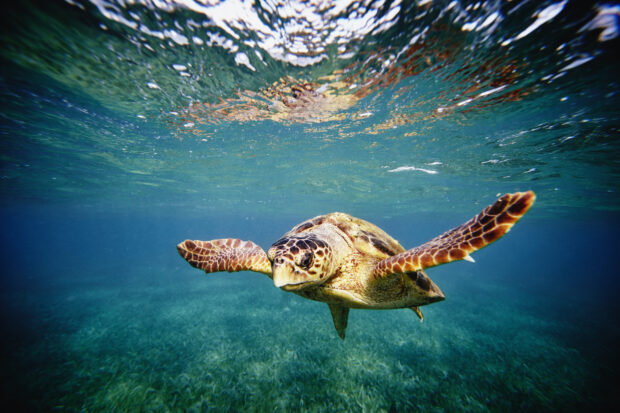


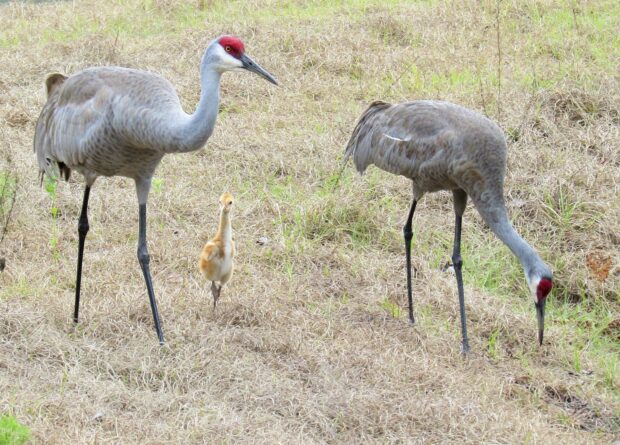

Some of the endangered wildlife in the U.S. include:
*This list does not reflect any prioritization of endangered species; it’s an attempt to show the diversity of species, both plants and animals, endangered in the U.S.
- Arizona hedgehog cactus
- Blue whale
- Cooley’s water-willow
- Georgia blind salamander
- Giant sequoia
- Karner blue butterfly
- Loggerhead sea turtle
- Ocelot
- Northern long-eared bat
- Red wolf
- Scalloped hammerhead shark
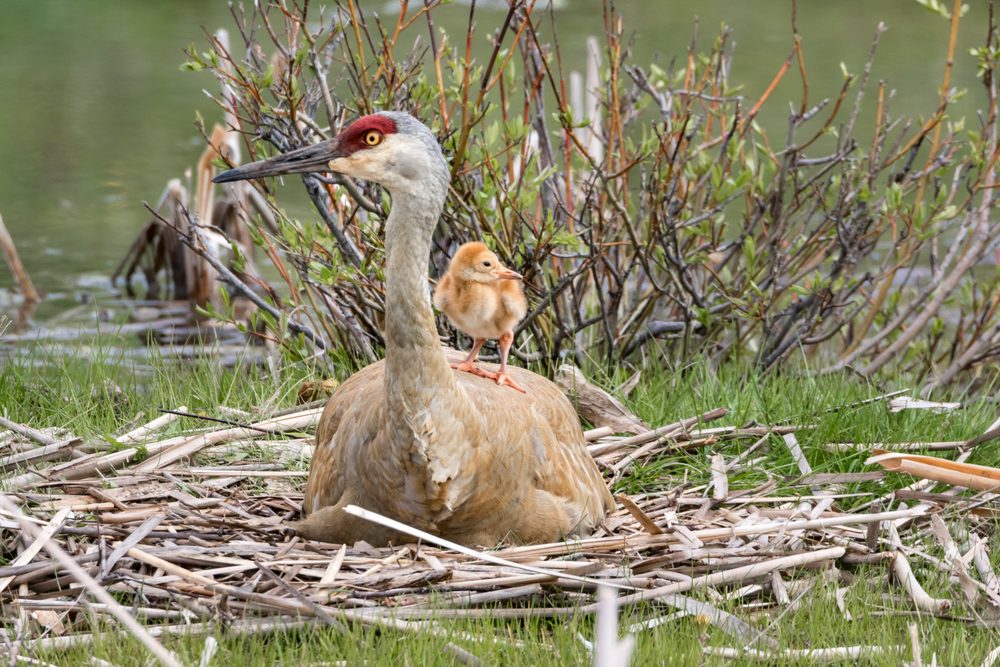
- Sandhill crane
- Sea otter
Get ready to color! Download NWF’s endangered species coloring book.
Celebrating Success of the U.S. Endangered Species Act
In 2023, the Endangered Species Act celebrated its 50th anniversary. “The ESA has saved hundreds of animals that once teetered on the brink of extinction. Without its protections, we might not have gray whales spouting off our coasts today or alligators roaming mangrove swamps, brown pelicans gliding above beaches or grizzly bears lumbering through western mountains.”
One of the most successful ESA stories is about the gray wolf. After the gray wolf was listed as endangered in 1974, the USFWS, the National Park Service and other agencies got together and began to plan a reintroduction into the Northern Rockies region, specifically Yellowstone National Park (Wyoming and Montana) where the wolves had been missing since 1926.
During the timeframe 1994 to 1996, the USFWS and Canadian wildlife biologists captured 41 wolves in Canada and released them in both Yellowstone National Park and central Idaho. By 2008, USFWS biologists estimated that 1,639 wolves roamed through Montana, Wyoming and Idaho—five times higher than the minimum population goal in the species’ recovery plan. With the return of gray wolves the Yellowstone ecosystem is more historically complete and resilient.
Read about more ESA success stories: The Endangered Species Act at 50 & What’s Next for Wildlife and 12 Wildlife Success Stories.
Education and Action through NWF and LG Electronics’ Vulnerable and Endangered Species Campaign
At the heart of NWF’s mission is to educate and encourage action for wildlife, specifically threatened and endangered species. The Red Wolf, the most endangered wolf in the world, was a featured animal as part of LG Electronics’ vulnerable and threatened species campaign. In coordination with NWF’s state affiliate, the North Carolina Wildlife Federation, NWF supports Red Wolf recovery efforts in the Albemarle Peninsula of North Carolina. Watch the Red Wolf 3D video on LG’s Times Square billboard in New York City and test your knowledge of the most endangered wolf in the world.
Read NWF blog: Students Tell us Why Protecting Endangered Species is Important!
The grizzly bear was spotlighted last fall as part of the Life’s Good campaign. The grizzly bear is a subspecies of the brown bear and is listed as threatened, in the lower 48 states, under the ESA. Historically, grizzly bears were thriving with an estimated 50,000 in the contiguous U.S. Unfortunately, by 1975, their numbers had dropped to fewer than 1,000 and they were facing extinction due to hunting and other threats; this tremendous population decrease prompted the ESA listing.
Watch the grizzly bear 3D video on LG’s Times Square billboard in New York City and test your knowledge on the grizzly bear and other North American bears.
Ranger Rick® Sparks Passion for Endangered Species and Other Wildlife Among Kids
NWF believes that when we share our love of wildlife with kids, we can inspire a lifelong passion to learn about, explore, and protect our natural world. Ranger Rick®, NWF’s friendly raccoon character, helps children of all ages discover and connect with nature so that they, too, become good stewards of the environment and protect endangered species and other wildlife. Ranger Rick® magazine spotlights endangered species to help educate youth about these vulnerable plants and animals, and features fun crafts, recipes, jokes, and more to make learning fun.
Check out a few of our endangered species online resources:
- Floating with Sea Otters,
- Gray Wolves
- Path for Panthers
- Sea Turtle Cookies (recipe)
- Pine Cone Snowy Owl Pals (craft)
- 5 ways You Can Help Endangered Species
- 50 Ways to Love the Earth!
Learn more and subscribe. Looking for more ways to introduce kids to the world’s most vulnerable plants and animals? Check out these book recommendations on endangered species from NWF’s Ranger Rick® team.
Take Action: Endangered Species Cannot Recover Without the Help of Humans
Take action for Endangered Species Day, choose one or more of the following actions to support wildlife:
- Get Ready to Color with NWF’s Endangered Species Coloring Book. Download our coloring book and learn fun facts about some of the most vulnerable wildlife.
- Wildlife Mascots. Turn your school’s wildlife mascot into a tool for student-led environmental learning and action.
- Be a Voice for Wildlife. No matter how big or small we think we are, when we speak up together, our voices can have a huge impact! It can be as simple as talking to friends and family, writing letters, and sharing your voice on social media.
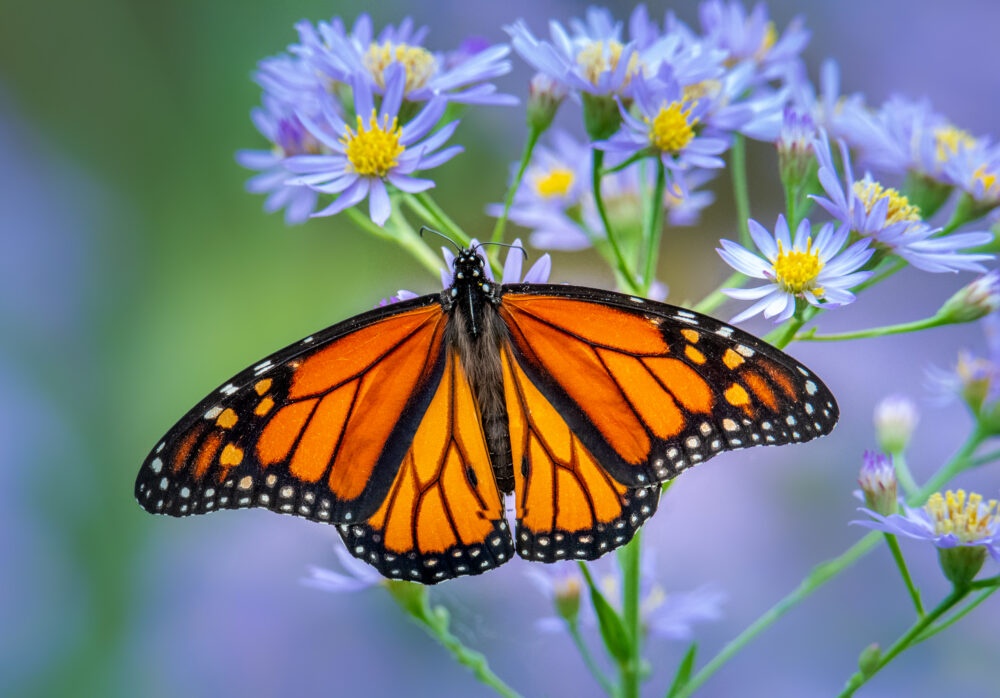
- Plant Native Milkweed to support the Monarch butterfly and other pollinators. Visit your local nursery or you can shop for milkweed through NWF’s Garden for Wildlife, the native plant collections are specially curated by region.
- Build a Bat Box to support the Northern long-eared bat and other bat species. Access more tips, tools and videos to turn outdoor space into a beautiful spot that supports wildlife. Watch a how-to video to build a bat box, created by Roanoke College students.
- Find out what your plastic eco-score is and adopt a new habit to reduce plastic waste and help keep plastic out of the streams, rivers, and oceans. Learn about wildlife impacts from plastic pollution.
- Get Creative! Enter the Endangered Species Day Chalk Art Contest. Get outdoors and create a chalk art masterpiece to spotlight a threatened or endangered species and enter to win a prize.
Interested in Learning More?
- Watch The Americas to learn about endangered species and other wildlife in North and South America; all episodes are streaming on Peacock. Find watch kits for each episode of The Americas and enjoy fun classroom activities, amazing animal facts, and discover ways to help protect wildlife and wild places.
- NWF’s online wildlife guide
- NWF’s wildlife conservation efforts
- NWF efforts to connect Kids and nature
- NWF’s bison restoration campaign
- NWF efforts to protect manatees
- Learn how NWF is saving the greater sage-grouse
- Learn how NWF is reversing mule deer declines
- Learn about the Recovering America’s Wildlife Act
- Learn about your state’s wildlife action plan
- Symbolically adopt a wildlife species
 Written by Kristy Jones
