








We have much more to do and your continued support is needed now more than ever.
Washington’s Wildlife Comeback: The Return of Wolves, Wolverines, and Other Carnivores
How Washington became a nearly complete wildlife state
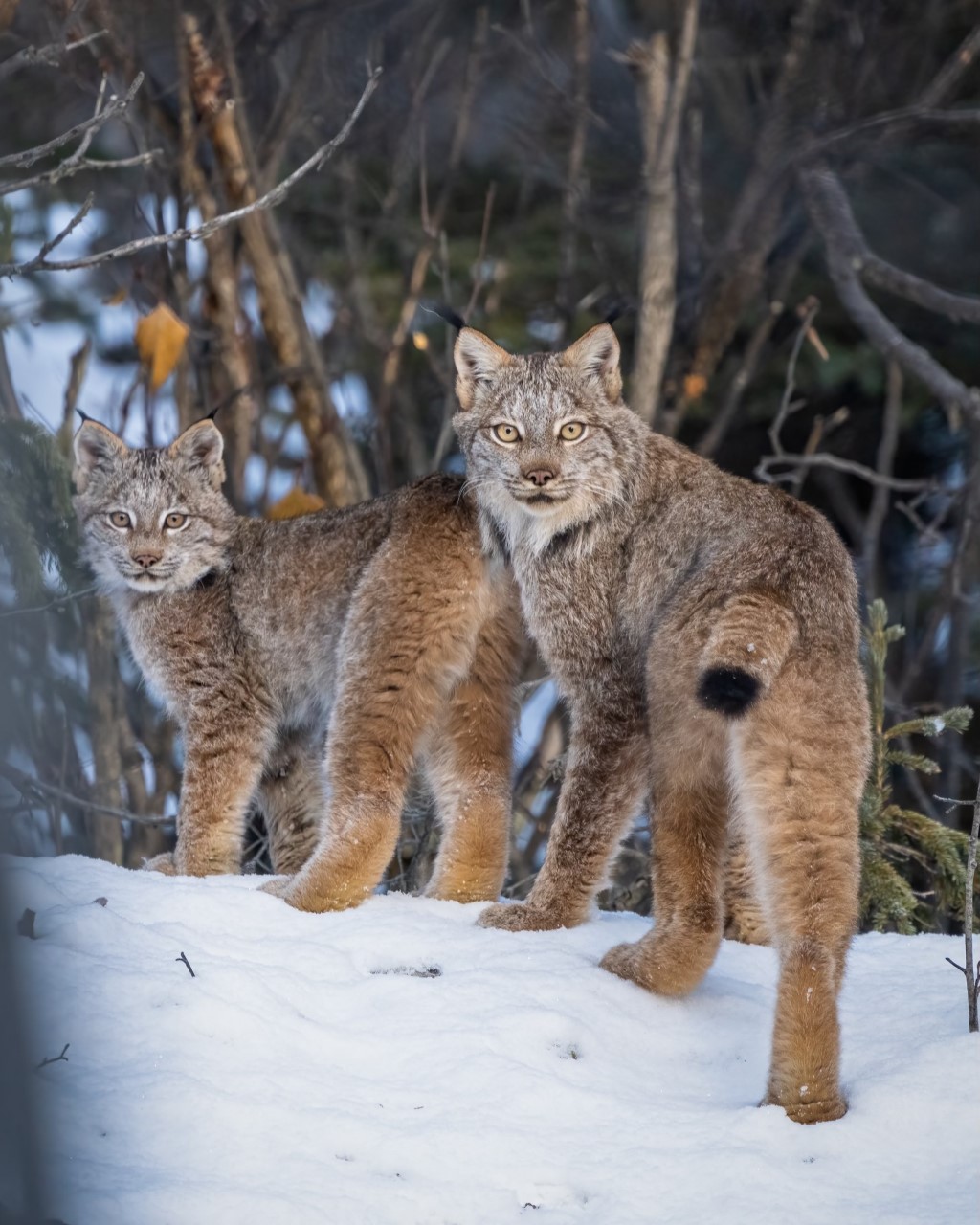
Lynx with mom. Credit: Colin Canterbury/USFWS
Washington is a great state for charismatic megafauna.
That this smallest western state, which has the least amount of public land, can make that boast is evidence of our region’s generosity of spirit. Remarkably, this flourishing of wolves and other carnivores coincided with the recent boom in our human population and economy.
Carnivores in Washington: Ecological Success and Human Coexistence
When I left Montana for Washington in 1984, I noticed a difference in how people talked about wildlife. In the Northwest, wildlife meant salmon, spotted owls, and killer whales. Except for cougars and black bears, iconic carnivores were gone and forgotten.
That absence has been rectified, with the turning point being 2008, before which both wolves and wolverines were considered extinct in the state. That July, I saw a wolverine hustling up a glacier on volcanic Mount Baker, near the Canadian border. Such sightings have since become frequent as far south as Mount Adams, near Oregon.
That same month brought photos from the North Cascades Mountains of Washington’s first wolf pups in a century. They have prospered since roaming in from adjacent Idaho and British Columbia. Today’s population is over 230 wolves in at least 43 packs.
Wolves are amazing and ecologically vital but also a challenge for those who live among them. In Washington, we have chosen to share the burden by funding ranchers to use practices that minimize conflict. We therefore have the fewest depredations on livestock among established wolf states, and consequently fewer wolves killed.
“Washington has more range riders than any other state,” says Jay Shepherd, who directs Conservation Northwest’s wolf field program. Range riders are specialized cowboys whose job is to steward cattle and keep the peace.
Restoring Pacific Fishers and Lynx to Washington’s Forests
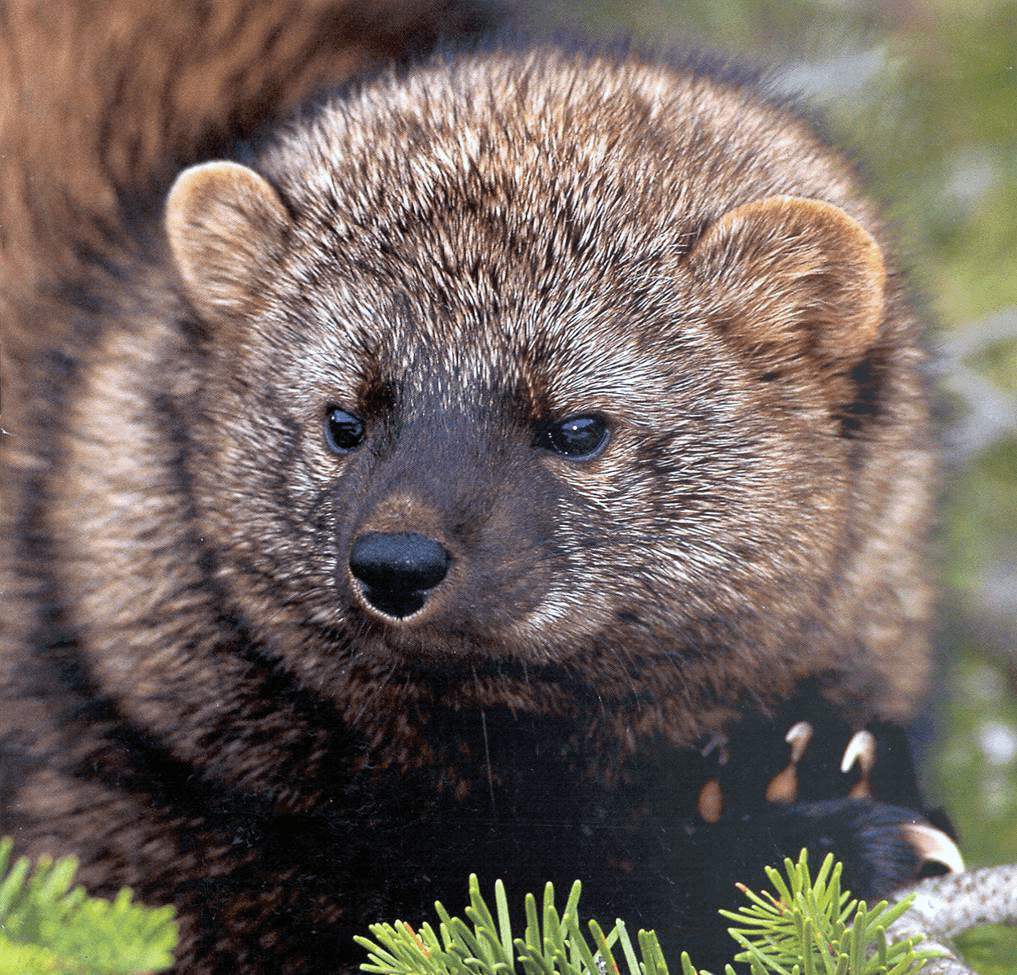
One more carnivore returned in 2008. Pacific fishers are a furbearing smaller relative of the wolverine that had been trapped out of Washington during the Great Depression. We have restored them to the Olympic and Cascades mountains, each now with a population of over a hundred fishers.
This was accomplished through a joint effort of the National Park Service, Washington Department of Fish and Wildlife, and Conservation Northwest, which I lead. We worked with Canadian trappers to capture and move fishers here. It was in late 2008 that the collaboration released its first batch of fishers into the Elwha River Valley of Olympic National Park.
It is remarkable to consider how that one year has so much significance in the return of carnivores to Washington. If it was part of a plan, it was not a plan of anyone I know of.
More recently, we have reintroduced Canada lynx to the Kettle Mountains of northeastern Washington, where excessive trapping in the 1970s eliminated them. A partnership among the Colville Confederated Tribes, Conservation Northwest, and others has since 2021 transplanted 41 lynxes that were captured near Kelowna, B.C. A final five more cats are being caught and released this month.
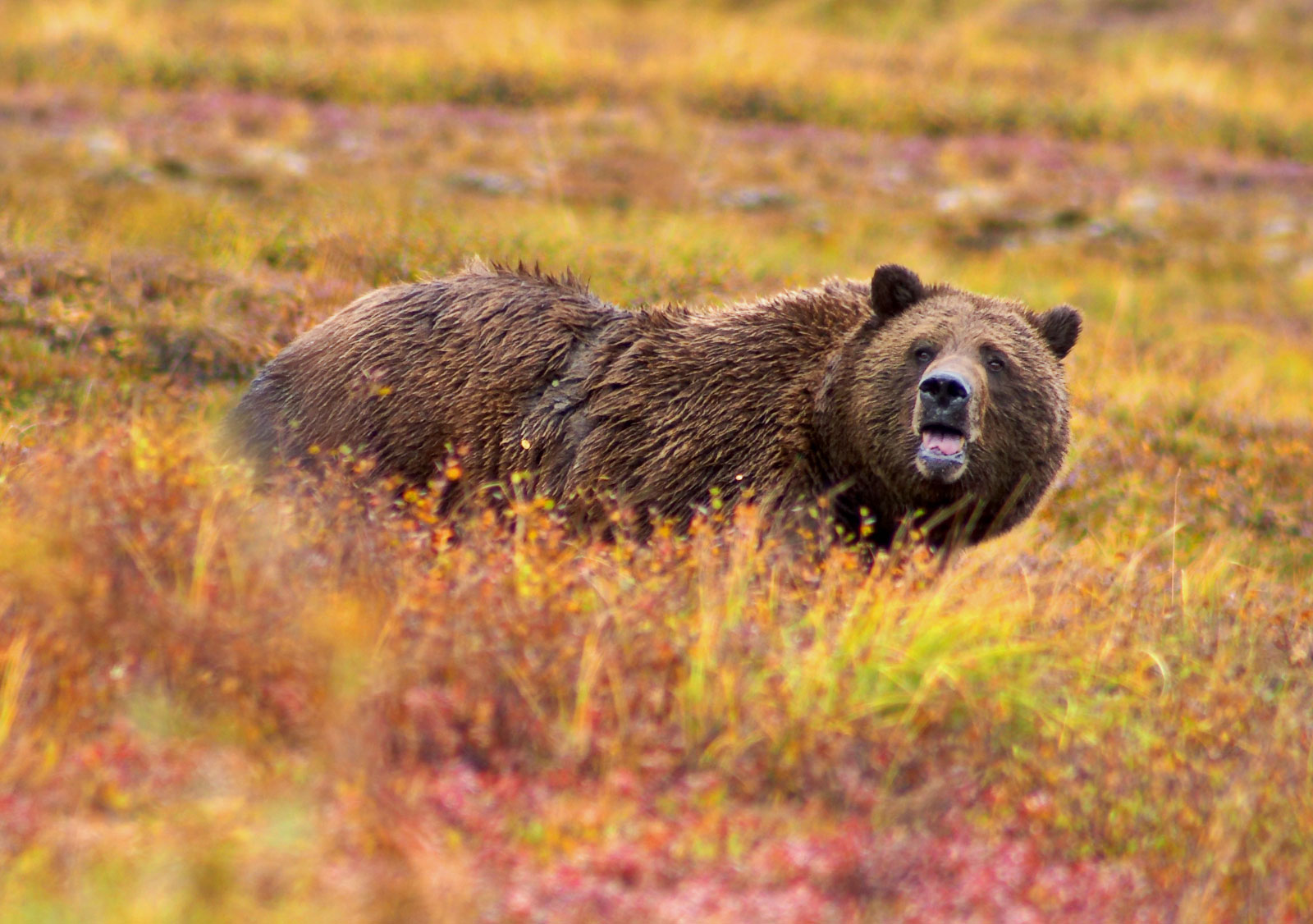
The Uncertain Future of Grizzly Bears in Washington State
The prospects for grizzly bears are less clear. There has always been a couple dozen grizzlies in the Selkirk Mountains of far northeastern Washington, but the population in the Cascades has dwindled to near extinction. After decades of study and public process, the federal government approved a plan in 2024 to restore the North Cascades population. Shamefully, the Trump Administration is sitting on that plan.
Nevertheless, grizzly bears are important to First Nations north of the border, who intend to pursue the slow work of recovering the Cascades population. Lauren Terbasket, an elder of the Lower Similkameen Indian Band, said, “Grizzly bears are vital to our culture. We are determined to bring them home.”
Building Wildlife Corridors and Habitat Connectivity in Washington
There is much more still to be done. We need to protect more habitat in places, including corridors that link populations and structures that allow wildlife safe passage over (or under) highways. Broad public support has energized Washington’s wildlife and transportation agencies to collaborate on progress, including a statewide habitat connectivity plan. Someday wolves will use secure corridors and crossings to reach the abundant habitat of far western Washington, including Olympic National Park.
Washington is now a nearly complete wildlife state, a cause for celebration in what feels like dark times.
Mitch Friedman heads Seattle-based Conservation Northwest, which he founded in 1989 after years with Earth First. He is the author of Conservation Confidential: A Wild Path to a Less Polarizing and More Effective Activism.
