






We have much more to do and your continued support is needed now more than ever.
Colleges & Universities Protect Vulnerable & Endangered Species
U.S. colleges and universities receive support through the Mutual of Omaha’s Wild Kingdom Grant Program to protect vulnerable and endangered species on campus.

Credit: Kentucky State University
Starting in the spring of 2025, seven colleges and universities, through support of Mutual of Omaha’s Wild Kingdom and the National Wildlife Federation, launched conservation projects to help protect vulnerable and endangered wildlife and their habitats, and provided hands-on learning and leadership experiences for college students. NWF is excited to share the results of their conservation efforts.



Allegheny College, Pennsylvania
Transformed turf at the entrance to their library into a native perennial area and installed bird and bat boxes throughout campus.
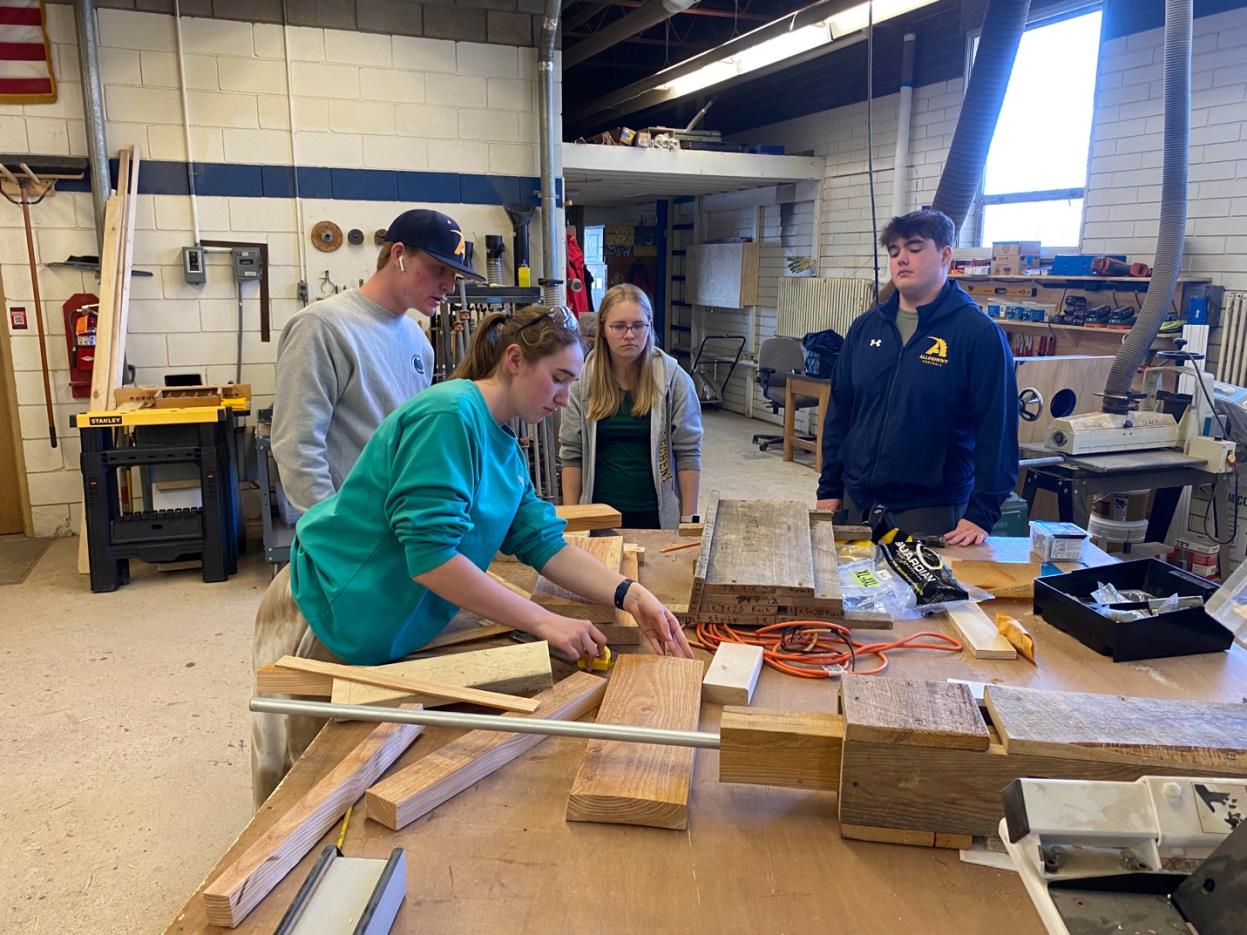
Allegheny College built and installed 20 pine bird boxes around campus, working collaboratively with the campus physical plant to install the boxes with cone-shaped predator guards in diverse campus habitat types representing an environmental gradient of urban to field to forest. The different habitat types will attract at least four native cavity-nesting songbirds including black-capped chickadees (forest specialist), house wrens (urban and forest nester), eastern bluebirds (field and forest), and tree swallows (field).
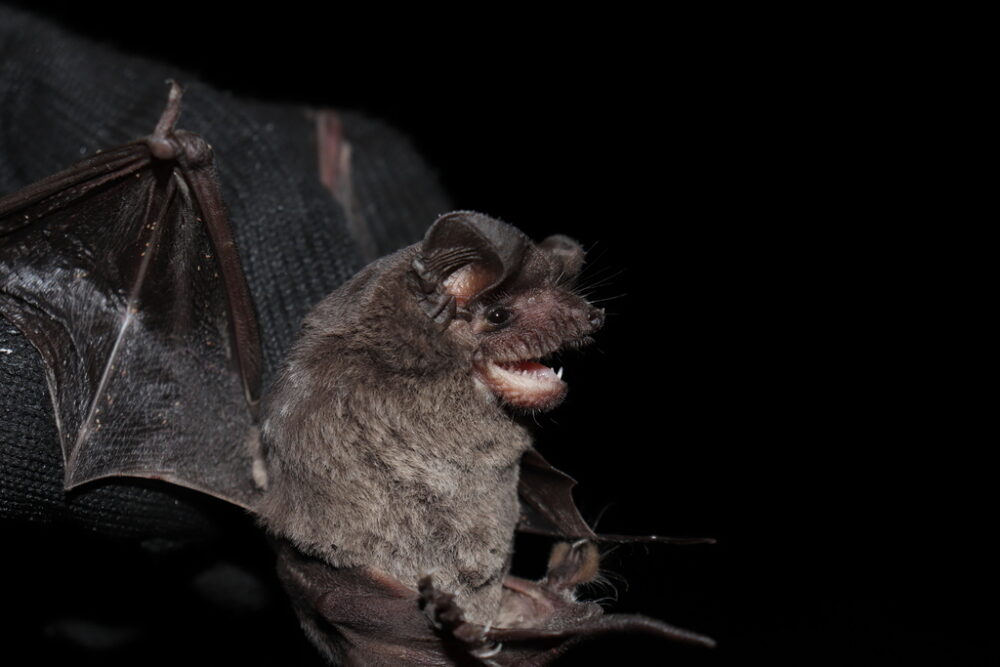
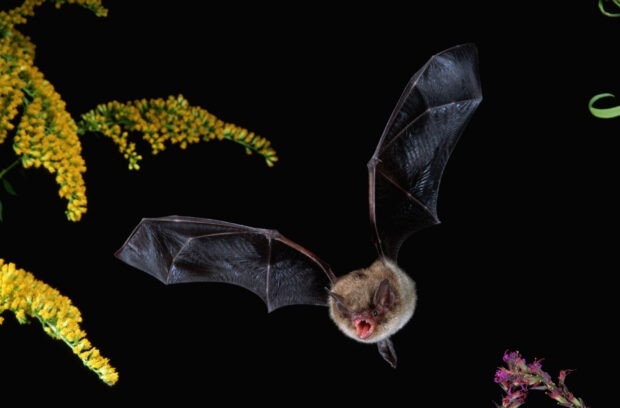
In collaboration with a local bat expert, Allegheny built and installed three wall mount boxes and six rocket boxes for bats. These boxes will provide critical habitat for the federally endangered northern long-eared bats and little brown bats (threatened in Pennsylvania). These boxes were placed in locations of either known bat roosts (in the hopes of luring bats out of campus buildings) or favorable habitat types. Additionally, the project team converted a typical non-native turf lawn adjacent to the campus library into a perennial native flower landscape.
The location was chosen specifically to simultaneously provide habitat and demonstrate a sustainable alternative to the conventional American lawn. Allegheny planted three species of live plants, one species of bare root plant, and 14 species of seeded plants. Their hope is that the live plants will establish and the seeds will naturally stratify for strong germination in spring 2026.
There was strong student engagement in this project, including Allegheny College’s bird club (constructed the bird boxes and will continue to monitor the boxes), and the environmental research methods course (built the prototype bat boxes). The bird and bat boxes on campus will be monitored for occupancy rates and maintenance.
Learn more about the Allegheny College project by reading the blog by Allegheny College faculty, Building Homes for Bats on a College Campus.
California State University Bakersfield
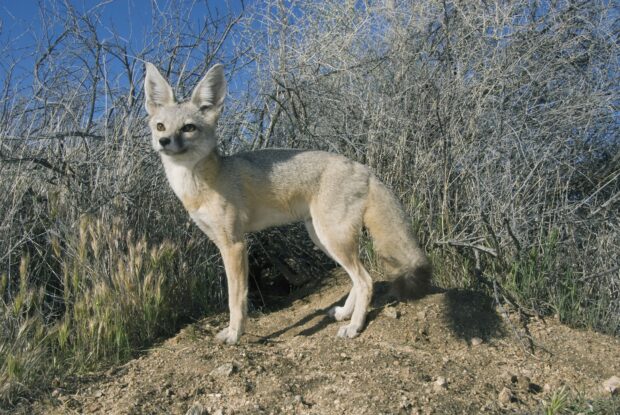
Conducted a survey on the endangered San Joaquin kit fox to identify preferred denning and hunting grounds on campus and in areas along the Kern River that runs through the entire city.
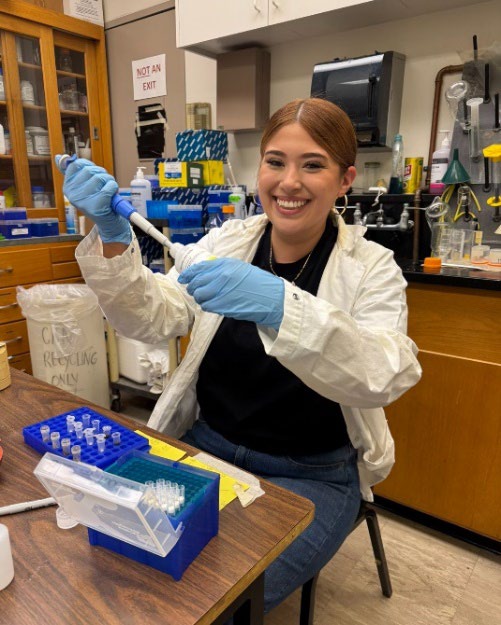
California State University Bakersfield (CSUB) collected 221 scat samples at 10 sites along the lower Kern River in Bakersfield, Kern County, California. The DNA was successfully extracted from 130 samples followed by Polymerase Chain Reactions (PCR) with primers 16SMA7-F/R which targets mammalian species based on the mitochondrial ribosomal gene.
Five sites were identified as hot spots for San Joaquin kit fox (SJKF) populations. Other animals that were detected included coyotes, bobcats, dogs, house cats, striped skunks, Virginia opossum, racoons,and California ground squirrels.
In addition to investigating the presence of SJKF, the CSUB research team, including both undergraduate and graduate students, encouraged the campus community to report sightings of this endangered species to determine preferred areas. The team was interested in a wide range of behavior for the SJKF including latrines (for communication), hunting and denning.
The collected data was used to propose a habitat conservation plan for the SJKF on our campus that protects most of the western undeveloped areas to be preserved as SJKF denning and hunting grounds. Results of this project were also shared with the CSUB administration and the Ecosystem Advisory Council, as well as to the Strategic Planning Committee.
The project will continue in 2026, supported by a private donation from a community member. Furthermore, CSUB will propose the non-invasive method used in this project to the City of Bakersfield to identify SJKF population in areas where survey data is rare or absent to support the new Metropolitan Bakersfield Habitat Conservation Plan for SJKF and other endangered species. December through February SJKF is mating season and the team is excited to report seeing couples of foxes on campus.
Georgia State University Perimeter College
Built nesting boxes for the brown-headed nuthatch, which is endemic to the longleaf pine forests in Georgia. These pine forests are among the most critically endangered forest types in the country, with less than five percent of its original acreage remaining.

Georgia State University Perimeter College built and installed approximately 130 nest boxes for the brown-headed nuthatch, a species of concern in Georgia.
A portion of the new boxes replaced existing boxes that were in disrepair, and the remaining foxes were installed at new locations on campus, as well as installations at multiple partner sites including Indian Creek Elementary, Blue Heron Nature Preserve, and Stone Mountain Park.
Additional boxes will be placed at Arabia Mountain in 2026. The project also produced30 educational signs and engaged undergraduate students in hands-on lab and field activities.
The team will begin data collection in March for the 2026 nesting season. Additional future goals include increased recruitment of students interested in research, the design of an informational flyer about the project to be distributed to the public, and construction of more bird boxes for campus placement as well as offsite, in collaboration with community partners.
Kentucky State University
Enhanced the habitat for two key groups of bird species on campus including the red-headed woodpecker (a species of conservation concern) and several songbird species, the Kentucky and prairie warblers.

Kentucky State University (KSU) focused on a 10-to-11-acre project area along Thorobred Trail. The habitat management and restoration efforts, engaging both students and staff, included spraying all invasive wineberry and invasive shrubs were removed, including bush honeysuckle and privet.

To directly support the red-headed woodpeckers, KSU built and installed three nest boxes, identified and located numerous notable snags within the 10-acre site (key habitat for the woodpecker) and created an ArcGIS map of snag locations to support long-term monitoring and management. Additionally, KSU hosted invasive species removal days and hands-on management activities called Woodland Wednesdays, and hosted several community nest box building workshops, in partnership with KSU’s Environmental Education and Research Center.
The project team also purchased trail signage and will develop and install an informational kiosk to share updates and educational materials with trail users and students. KSU will also partner with the Frankfort Audubon Society to conduct additional bird surveys along trail. This project helped introduce many community members to Thorobred Trail as a living laboratory and conservation space, strengthening the connection between KSU and the broader community.
KSU’s efforts immediately improved forest structure by opening the understory, allowing for native regeneration, and creating better nesting and foraging conditions for shrub and cavity nesting birds.
Smith College, Massachusetts
Restored woody habitat through the control of non-native plants and introduced of native plant woody species in support of the endangered eastern ratsnake, a tree snake in Massachusetts.
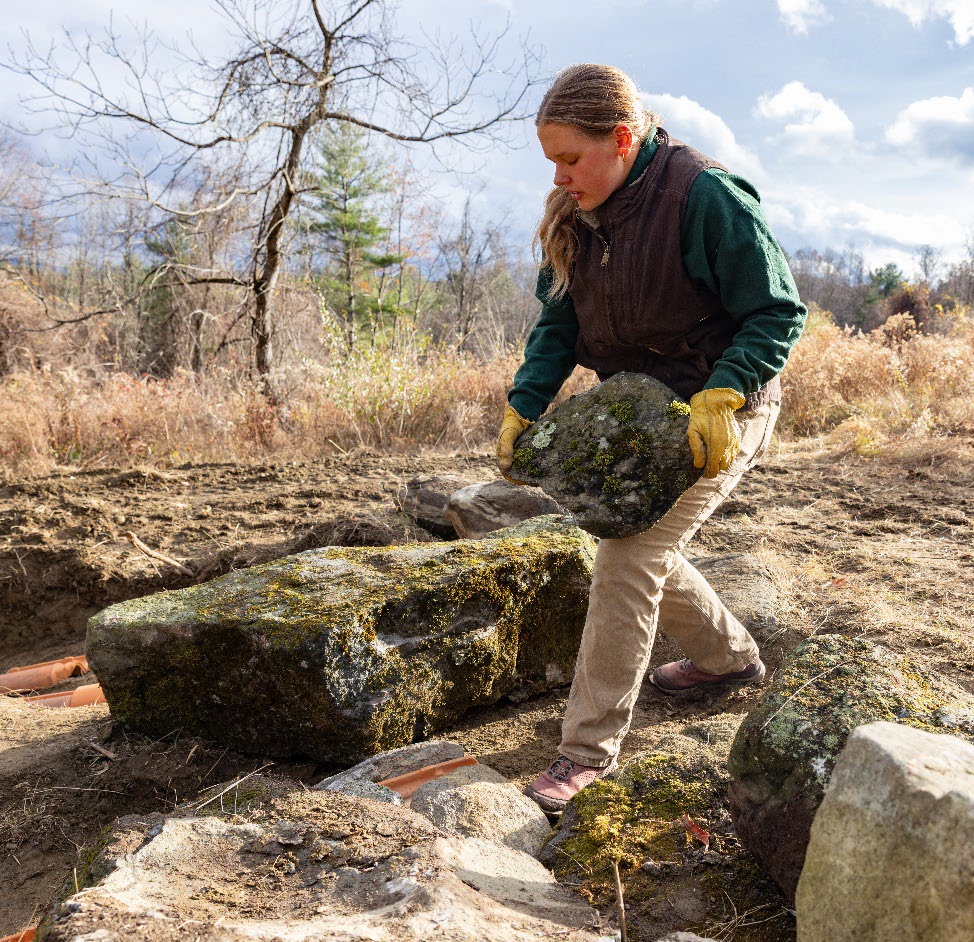
Smith College’s grant project focused on the eastern ratsnake habitat restoration. Restoration efforts began with the removal of invasive vegetation that choked out desired native trees and shrubs. Major invasive species included multiflora rose, round leaved bittersweet, and autumn olive. Removal started with killing invasive vegetation with herbicide on about 5 acres.
In areas of the hillside that lacked any native plants or were 15 feet from the boundaries of regulated wetlands, herbicide was applied by foliar spray on the entire rose plant; dead plants were cut up using hedge trimmers, chain saws, or by a contractor with a brush hog attached to a skid steer. Over 100 native trees and shrubs were planted, and native grassland seed was spread over about 2 acres.
The ratsnake habitat was further enhanced with the construction of a snake hibernaculum (one hibernaculum can host multiple snake species). Students from several courses, including the natural resources conservation and restoration class and the aerial imagery and cinematography drone class, were engaged in this project. About 30 acres of old field and canopy forest ecosystems are dominated by invasive plants at the Field Station and the techniques learned on this project will be applied to future restoration efforts.
Learn more about the Smith College project by reading the blog by Smith College student Alexandra Blaszczyk, Slithering Through the Branches at Smith College.
University of South Florida
Protected habitat for the gopher tortoise through the Bull’s Nature Trail Boardwalk Project. The gopher tortoise is threatened in the state of Florida (and federally threatened in Alabama, Louisiana, and Mississippi).

The University of South Florida (USF) installed four cameras donated by their Integrative Biology department for use along the prospective Bulls Nature Trail Boardwalk. The trail cam evidence shows that the area is a commuter corridor for many animals, including dear, raccoon, and armadillo, but not the gopher tortoise, which is a great sign.
It is important that the campus doesn’t disrupt tortoise habitat in the creation and use of the Bulls Nature Trail Boardwalk. The proposed placement for trail will allow for mitigated and tailored human use of the green space that still honors the habitat of the current species that call the preserve home. There is currently a high impact project in development directly next to some of the last gopher tortoise habitat in Hillsborough County, so the USF project to protect and restore gopher tortoise habitat is crucial and timely.
Additionally, USF utilized the Trimble Catalyst, a centimeter-accurate positioning tool that allowed the team to map out existing gopher tortoise burrows to ensure they will not be impacted by the creation of the boardwalk project. USF completed the preliminary engineering report and assessment for the boardwalk, and based on the assessment, it has been advised that more monitoring is needed before proceeding to ensure there is no negative impact on the endangered gopher tortoise.
University of Tennessee
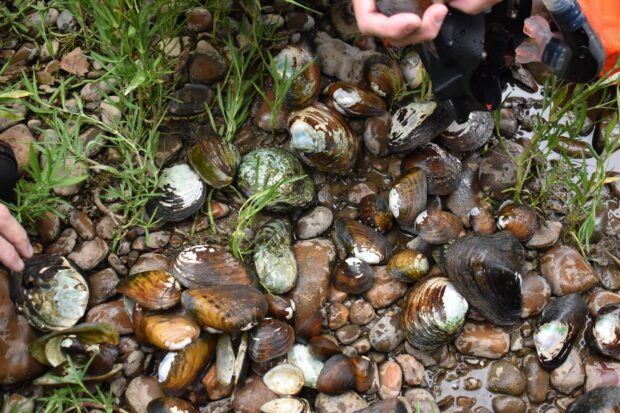
Assessed the recovery of freshwater mussels in areas where human activity has severely impacted their populations.
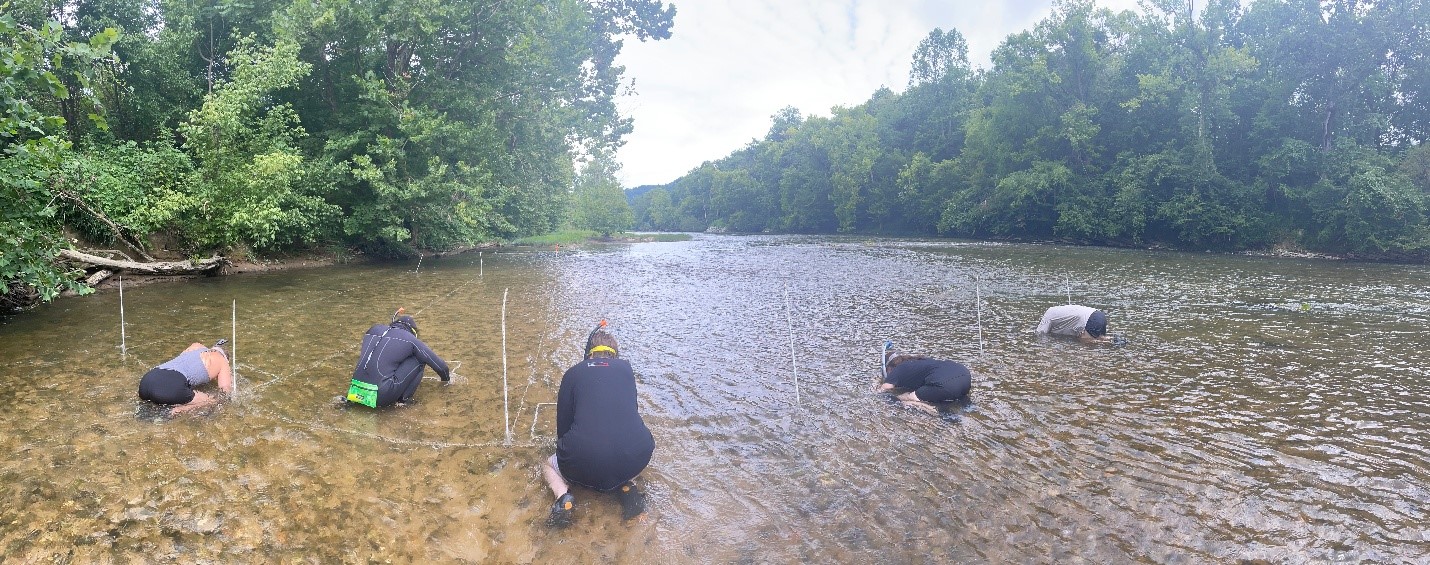
A total of 80 propagated freshwater mussels, including 40 Actinonaias ligamentina and 40 Villosa iris, were fitted with VHF radio transmitters and held for observation in silos for four weeks through the University of Tennessee (UT) project. Transmitter tag attachment was conducted using established handling procedures to minimize stress to the mussels. Tags were affixed to the exterior of the shell in a location that minimized interference with natural movement and burrowing behavior.
After attachment, mussels were allowed time to acclimate and were observed in silos for several weeks prior to release to confirm tag retention and general condition. Following acclimation, the 80 tagged mussels were released into the river and divided evenly between two habitat types, a main channel area and a point bar. Within each habitat, a small subset of mussels was placed in silos to serve as a control group. The positions of tagged mussels were monitored monthly and following major flooding events.
UT student researchers and other researchers surveyed the release areas by walking or floating along the river while scanning transmitter signals. During each monitoring event, the team documented mussel condition, including survival and burrowing status, and recorded movement relative to the original release point and previous locations. As of January 6, 2026, all mussels have survived and have been observed burrowing. This suggests that the tags are not impacting the mussel’s fitness and we will be able to continue tracking the animals monthly over the next 6 months or more.
The UT team created an easy identification guide for some of the most common mussel species in the area to disseminate at local events. Many people who live in Tennessee and recreate on the Powell River are not aware that this state is a hotspot for freshwater mussel biodiversity. One of the biggest events on the Powell River is the annual kayaking regatta that happens to float directly over the study site.
Prior to the event, the UT team held a workshop for paddlers to teach them about the importance of mussel conservation; more than 200 people participated in the regatta and received the identification guide.
Learn more about Mutual of Omaha’s Wild Kingdom Grant program and past recipients.
 Written by Kristy Jones
