












We have much more to do and your continued support is needed now more than ever.
Here’s How the Reconciliation Bill Affects Environmental Justice

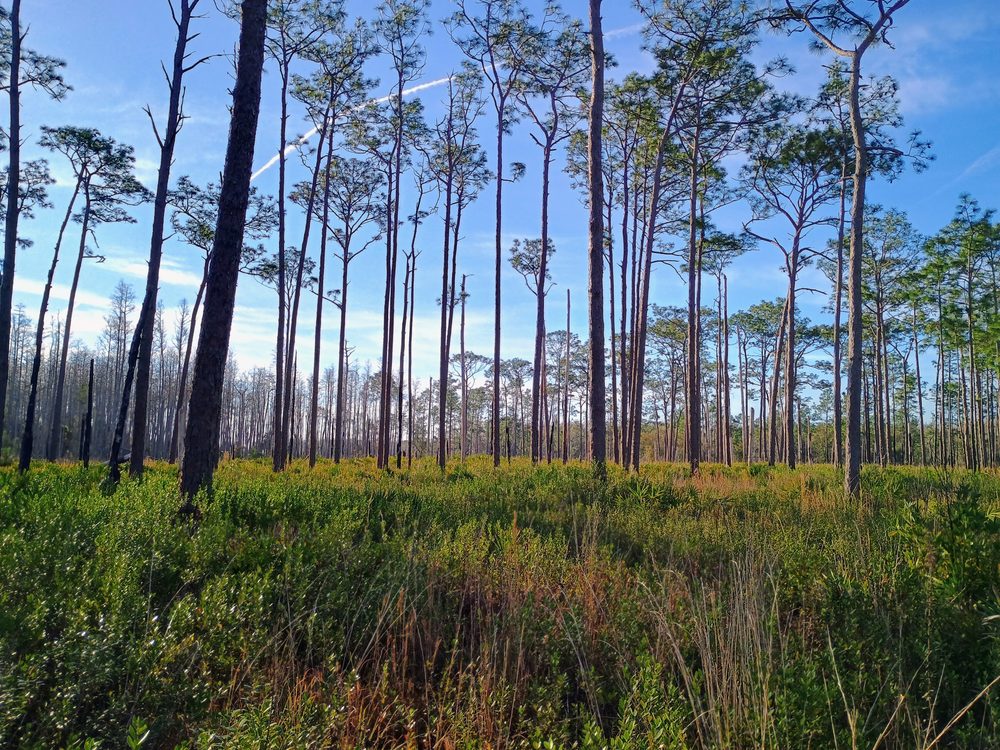
The recently passed "One Big, Beautiful Bill" will likely have lasting ripple effects on wildlife, especially birds, which are more sensitive to poor air quality. Credit: Ashley Williams/FWC
This blog is part one of a two-part series about how H.R. 1, referred to as the “One Big, Beautiful Bill,” will impact environmental justice efforts across the United States. Part 2 will take a look at the appropriations bill and how the FY26 federal budget strips away environmental justice protections—from clean water to clean air and everything in between.
H.R. 1, “One Big, Beautiful Bill,” is now law, and its supporters are calling it a huge victory for the economy, energy independence, and bureaucratic efficiency. But what about the communities at the forefront of pollution and climate change?
For Black, Brown, and Indigenous communities and poor and rural residents, this bill is a major blow. Buried in its 900+ pages was a cynical reversal of environmental justice protections that dissolved decades of hard-fought and hard-won gains for the purpose of oil industry profits and polluter-friendly deregulation.
What makes these rollbacks particularly cruel is that many of these programs were just getting started. Community groups had barely begun applying for funds when the rug was pulled out from under them. H.R. 1 didn’t just kill new progress—it prevented it from taking root.
A Legislative Avalanche, Disguised as Reform
At first, the bill reads like a list of government functions—including farming, taxes, and defense. But dig a bit deeper, and you’ll see the major throughline. The bill targets environmental and climate programs created by recent climate laws like the Inflation Reduction Act (IRA) and the Bipartisan Infrastructure Law (BIL). The final result? A near-total erasure of dedicated funding streams for marginalized communities.
These cuts were not about budgetary discipline. They are about an ideology that does not align with what science and communities have demonstrated for decades to decision-makers. It is a clear refusal to respond justly and urgently to climate and environmental harms.
Across multiple sections, the bill undercuts not just funding, but the very infrastructure of environmental justice policies—stripping away from nearly every major program designed to address environmental injustice.
Some examples of the most egregious cuts:
- The Greenhouse Gas Reduction Fund—which aimed to direct investments into clean energy projects in disadvantaged communities.
- Reducing air pollution in overburdened neighborhoods, including near schools.
- The Environmental and Climate Justice Block Grants—a flagship program meant to support community-driven climate resilience and pollution mitigation.
- Environmental and climate data collection efforts—making it harder to prove and track harm.
- The Neighborhood Access and Equity Grant Program—which had been a vital tool for redressing infrastructure inequities in redlined and underserved areas.
- Repeal of EPA’s final rule on Multipollutant Emissions Standards for Light-Duty and Medium-Duty Vehicles—which will certainly increase vehicle pollution in urban areas and worsen the respiratory and cardiovascular conditions linked to smog, ground-level ozone, and particulate matter.
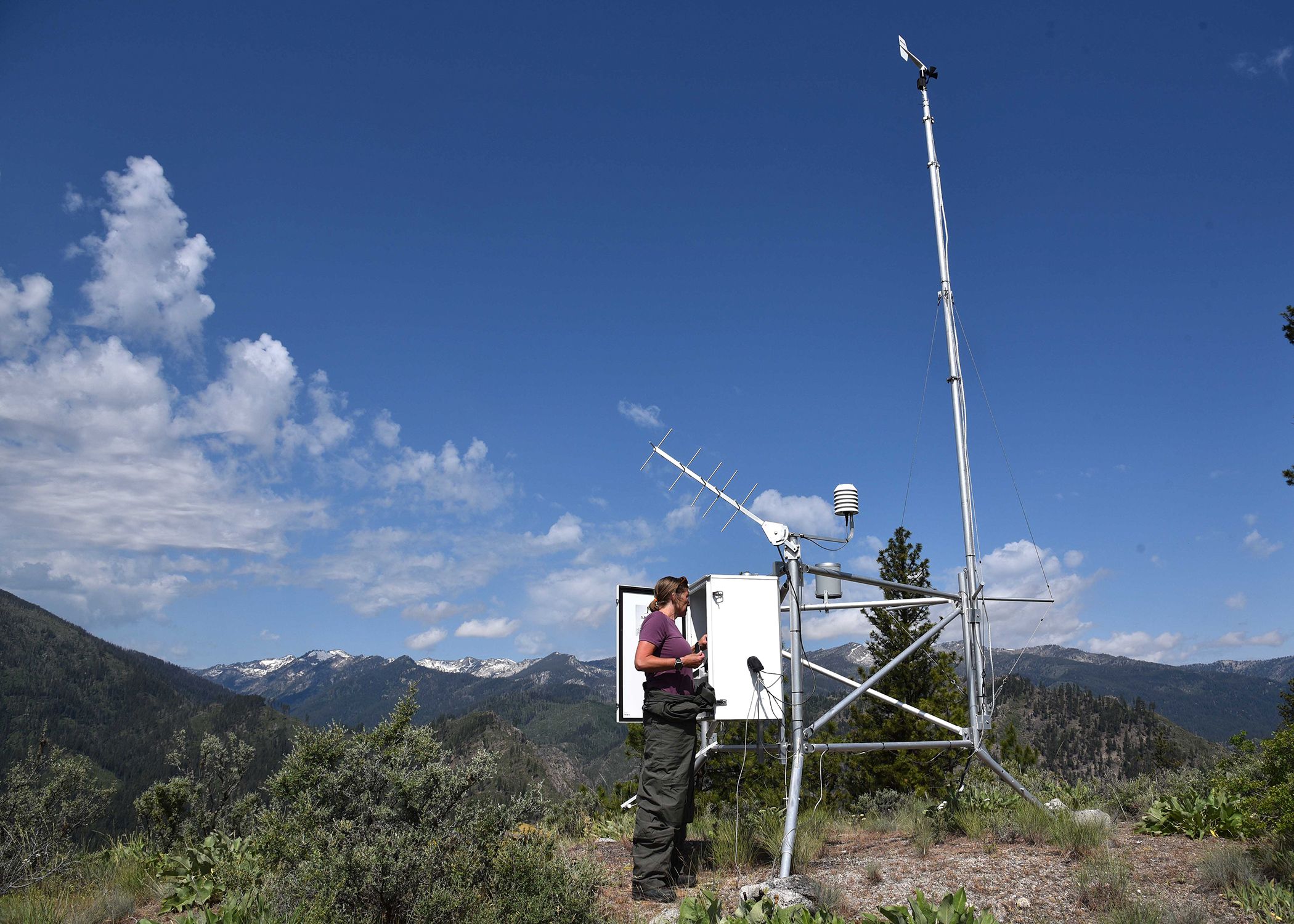
Without proper data collection, community groups lose their bargaining power and a clear understanding of how these environmental injustices are affecting them. Without funds, community projects shut down. Without representation in planning and decision-making, neighborhoods are sacrificed to highways, chemical plants, incinerators, and pipelines.
In addition to these cuts, the bill also amends the National Environmental Policy Act (NEPA) to allow wealthy developers to pay an opt-in fee for expedited environmental review. By allowing this, the bill erodes foundational protections against pollution and environmental degradation by creating a loophole that circumvents extensive environmental review and scrutiny, reducing opportunities for frontline communities to be heard.
This pay-to-play approach will render communities more susceptible and at higher risk of exposure to toxic pollutants and environmental hazards.
The Bigger Picture: Where We Go From Here
This was not just a budget bill—it was a message. H.R. 1 may have passed, but there’s nothing beautiful about hurting communities to help fossil fuel companies and polluters. The majority in Congress and the administration have signaled that they have no intention of centering environmental justice in any proposed policy. They attempted to silence frontline voices with calculated precision by defunding the very programs that empowered them.
Here’s how we can show up with clarity, resolve, and strategy:
- Get People Together (Organize): Local governments, tribal nations, and community-based organizations must continue to mobilize to defend remaining climate and environmental programs and demand state-level reinvestment.
- Document the Harm and Share it: Even with stripped federal data tools, communities can build and support their own environmental monitoring networks. It is also important to use this data to share your experiences and own the narrative of the moment, so that these harms do not go unreported.
- Demand Accountability: Lawmakers who voted for this bill should hear from constituents in town halls, during hearings, and at the ballot box in upcoming midterm elections. In the upcoming months, there is also an opportunity to work with lawmakers and influence Members of Congress as they debate funding levels.
Join Us in Advancing Environmental Justice. Sign up for the Environmental Justice, Health, and Community Resilience and Revitalization Program’s quarterly newsletter and follow us on Instagram.
