




We have much more to do and your continued support is needed now more than ever.
Permitting Pollution Jeopardizes Clean Water

A family of black bears crosses a stream in Alaska. Credit: Donna Johnson
We all need clean water—whether that’s for drinking, washing, swimming, or fishing. Without access to abundant, clean water, we can’t grow food, trust the water that comes out of our taps to be safe, safely hunt, fish, and recreate, or support local businesses like breweries. Unfortunately, the streams and wetlands that supply our nation’s water are under attack.

Over 50 years ago, Congress passed the bipartisan Clean Water Act, which has helped clean up and protect the wetlands, streams, and watersheds that provide the water flowing from our taps.
The regressive PERMIT Act
Now, Congress is poised to vote on a bill that abandons a host of key Clean Water Act safeguards that protect our waters from pollution and destruction.
This disastrous bill, called the PERMIT Act, will let large-scale polluters off the hook for trashing our waters, leaving the American people to pick up the tab. If it becomes law, this bill will pollute our drinking water, compromise our health, put more communities at risk of floods, and ruin many of the places we swim or fish.
Here are just a few of the many ways the PERMIT Act will harm water and wildlife:
More Toxic Chemicals in Our Waters
This bill legalizes pollution without accountability—including for toxins that should never be getting into our water in the first place. It gives polluters free rein to spray or discharge harmful toxins into our rivers and streams without limitations or protections.
Pesticides discharged into surface waters can contaminate our drinking water supplies and kill or cause severe harm to fish and wildlife. A significant portion of our drinking water across the country contains pesticides and the EPA has already identified 2,000 waterbodies that are impaired by pesticide contamination.
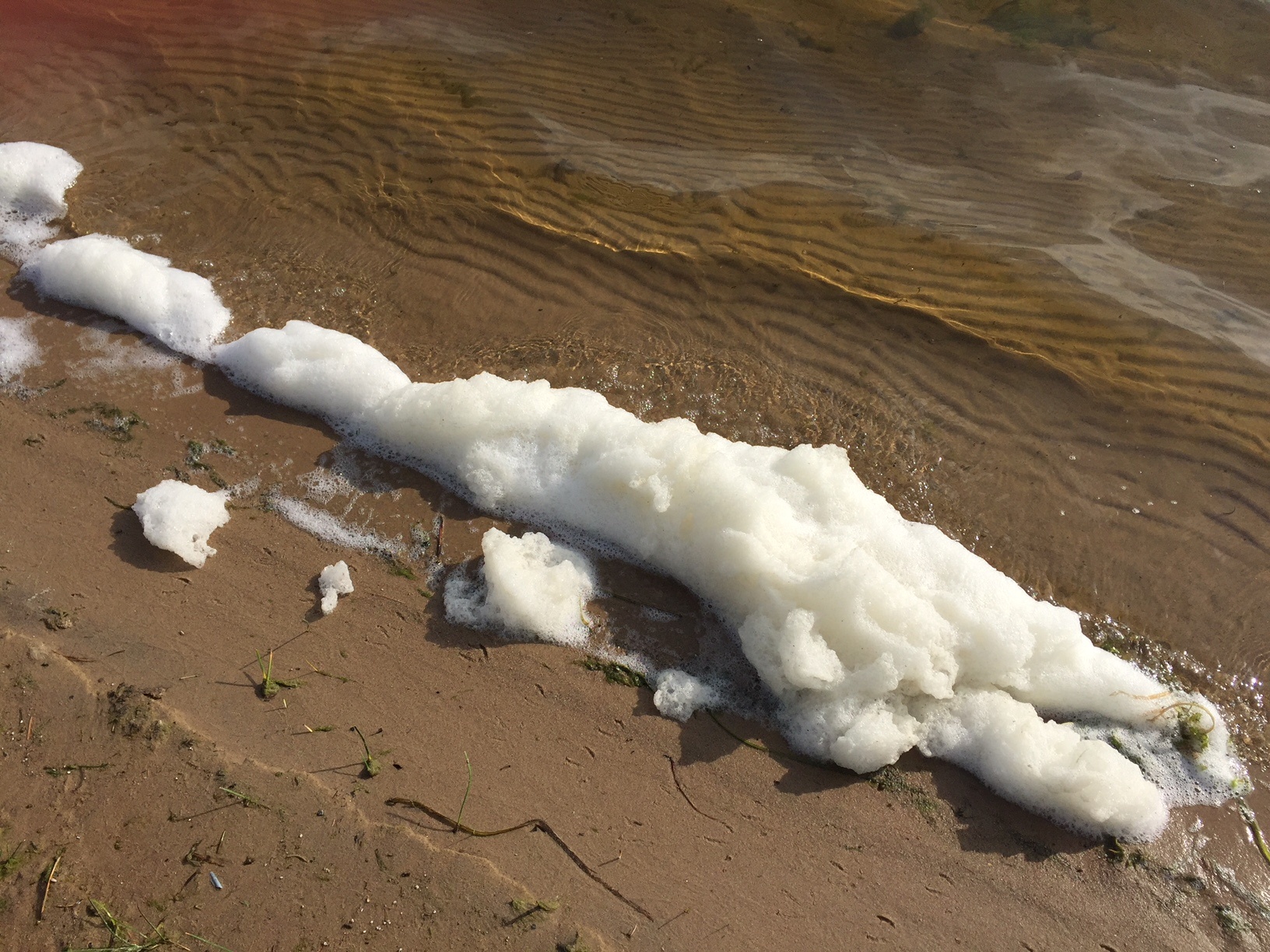
The bill also makes it easier for industrial operations to dump toxic “forever chemicals” like PFAS into our waters by shielding dischargers from Clean Water Act liability. Instead of holding polluters accountable, it lets them off the hook.
Concerning levels of PFAS—which have been linked to cancer, reproductive issues, and other major health concerns—are already alarmingly prevalent in the environment, people, and wildlife. In some areas, the concentration of PFAS chemicals has gotten so high that Do Not Eat advisories have been applied to game and fish species, limiting hunting and fishing opportunities.

Takes Power from Locals
The bill weakens the longstanding authority of states and Tribes to protect local waters under Section 401 of the Clean Water Act from potential impacts related to federally issued permits and licenses. This authority allows states and Tribes to protect the water quality of waters that communities and wildlife rely on for drinking water, recreation, cultural practices, and habitat.
It has been important in ensuring that habitat and fishing opportunities are safeguarded from the impacts of major dams, pipelines, and other potentially harmful projects.
Removes Protections for Wetlands and Streams
In addition to removing state and Tribal rights, this bill also takes aim at Clean Water Act pollution and destruction safeguards for wetlands and streams across the country. The bill would remove federal pollution safeguards from streams that don’t flow year-round, but that supply drinking water for one in three Americans.
It would also allow the Army Corps of Engineers to remove any category of wetlands and streams from Clean Water Act protection, compromising the quality of downstream drinking water supplies and wildlife habitat. The Clean Water Act’s ability to protect small streams and wetlands was already weakened by a 2023 Supreme Court decision.

The Bottom Line: More Pollution Allowed in Our Water Supply
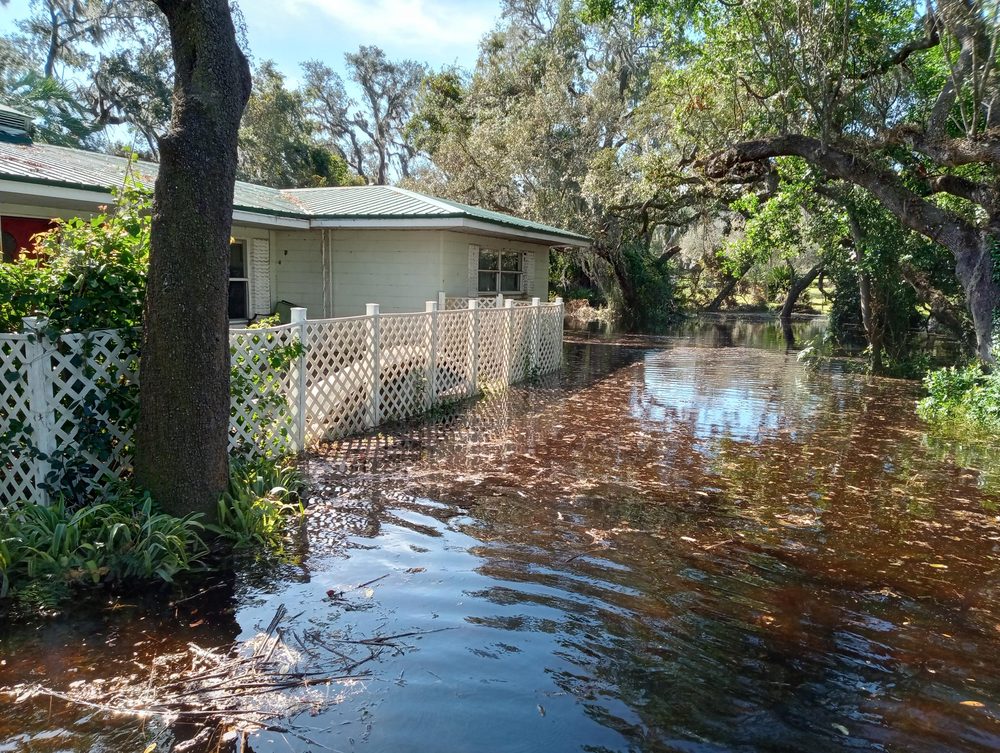
All of this means we will have more rivers, streams, wetlands, and other waters that are unsafe for drinking, swimming, and fishing. Instead of requiring dischargers to prevent pollution before it enters our waters, Americans will have to pay more to clean and treat our water to make it safe for drinking, farming, washing, and cooking. Without healthy headwater streams and wetlands to absorb floodwaters, we will be more susceptible to flooding, drought, and other natural disasters.

More pollutants in our surface waters and fewer healthy wetlands and streams also means that fish and wildlife—and the outdoor economies that rely on them—will suffer as well. Wetlands are among the most productive ecosystems in the world, similar to coral reefs and tropical rainforests. More than a third of all federally endangered or threatened species live only in wetlands and half use wetlands at some point in their lives.
Now is the time to stand up for clean water—tell your Representative to vote NO on the PERMIT Act.
Instead of weakening the Clean Water Act tools that protect our waters, Congress should be strengthening them.
 Written by Glenn Watkins
