
















We have much more to do and your continued support is needed now more than ever.
Rolling Back Clean Air Protections: What’s at Stake for Public Health, Wildlife, and the Economy
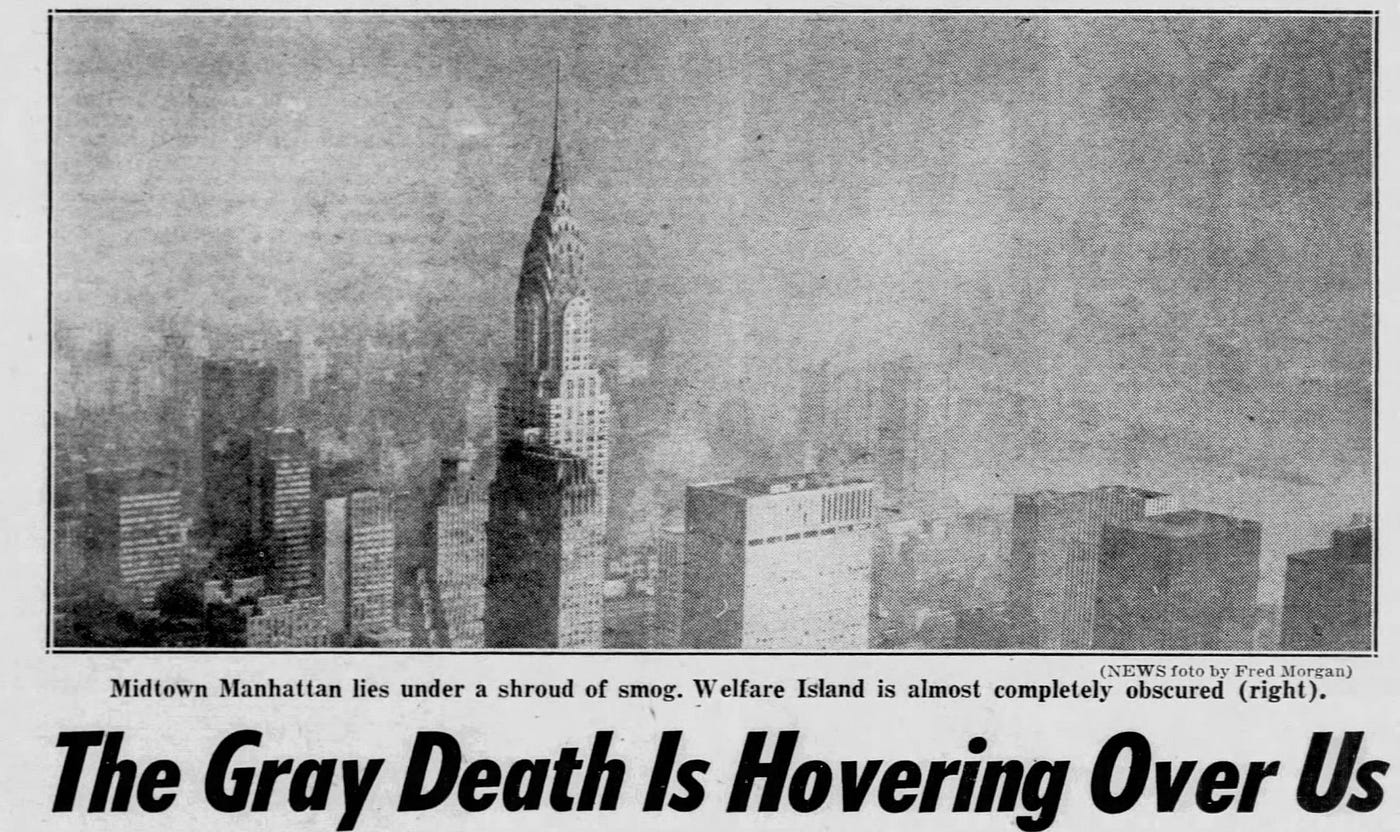
The Clean Air Act, passed in 1970 as a response to the increasingly deadly smog and air pollution that blanketed cities across the country, is one of the most significant environmental success stories in modern history. This law, along with other environmental regulations and amendments over the years, established national limits on harmful pollutants and required regulation of major emission sources across industries.
Between 1970 and 2020, air pollution dropped by over 78 percent, even as the U.S. economy grew nearly fourfold. This progress demonstrates a critical point: environmental protection and economic growth are not mutually exclusive.
Yet today, that legacy is at risk.
The Trump Administration’s deregulatory agenda represents a shift away from sound, science-based policy, and instead prioritizes short-term industrial interests. This deregulatory pivot is impacting many facets of environmental policy—from rules we rely on to keep water clean, to ones that help protect at-risk wildlife—but it’s perhaps nowhere more apparent than in the dismantling of clean air regulations.
How we got here: Removing Protections from Pollution
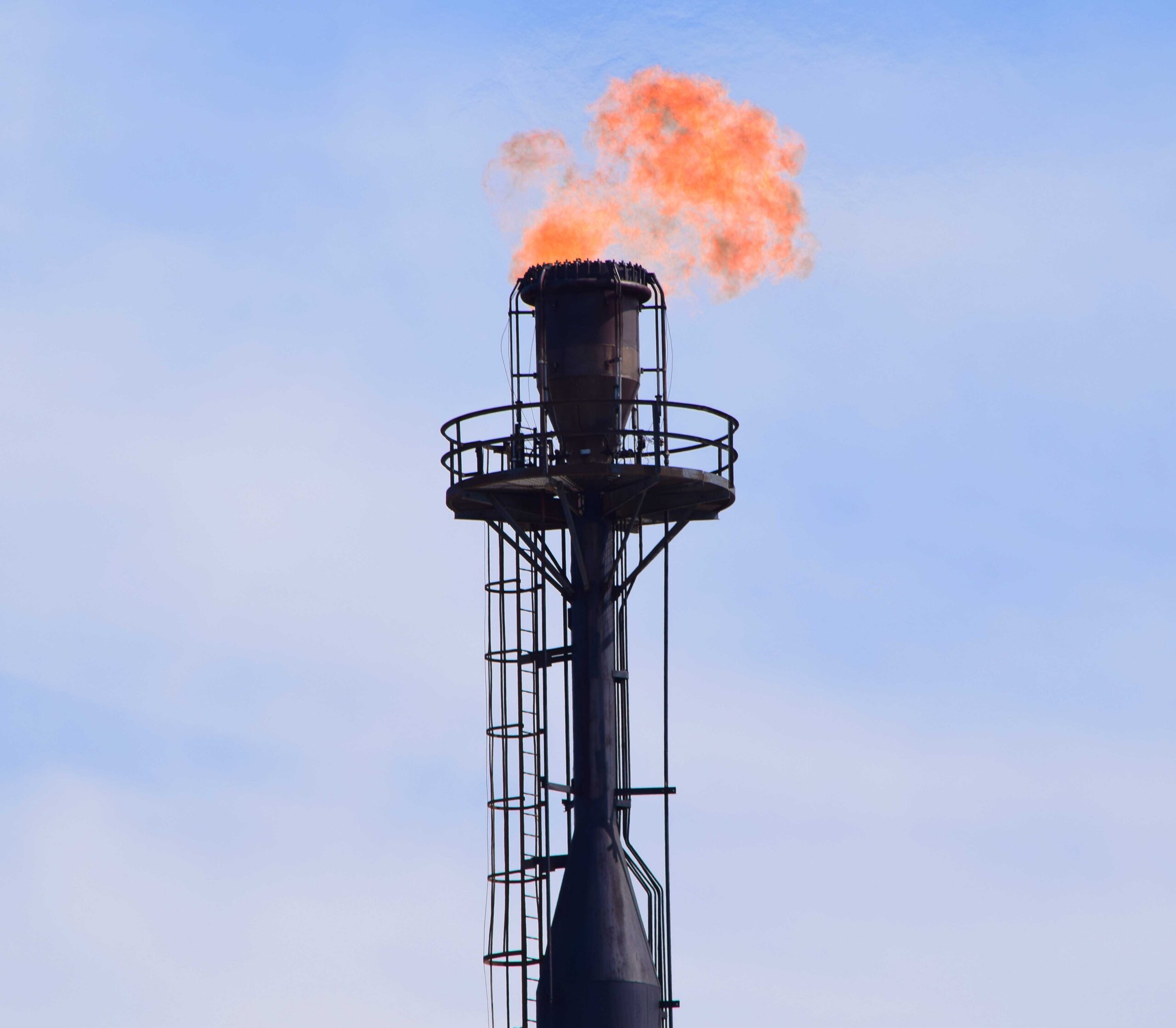
Shortly after taking office, the Environmental Protection Agency (EPA) Administrator Lee Zeldin announced plans to weaken federal pollution standards; this has included rollbacks of Mercury and Air Toxics Standards (MATS), limiting HFC regulations, narrowing methane emissions controls, and reclassifying sources of hazardous air pollutants.
Most notably, the EPA has repealed the Endangerment Finding, the scientific foundation of federal efforts to reduce harmful greenhouse gas pollution across multiple sectors. Some of these rule rollbacks have been finalized, others are still in review, many will be litigated in court, and yet more are on the horizon.
About 70 coal-fired power plants across the U.S. have also received exemptions from certain Clean Air Act requirements, part of a broader Administration effort to revive the coal industry (it’s worth noting, however, this effort does not extend to protecting most of the workers in that industry).
In January 2026, the EPA announced a major change in regulatory methodology: it would no longer fully account for lives saved from reduced air pollution in cost-benefit analyses, instead placing greater emphasis on industry compliance costs. Congressional action is reinforcing this trajectory, with House-passed bills that would further weaken Clean Air Act enforcement by easing permitting requirements and allowing states to discount certain pollution sources.
Meanwhile, power sector emissions rose by nearly 4 percent in 2025, driven in part by increased coal generation and growing electricity demand from energy-intensive industries like artificial intelligence and data centers. Emissions from coal-burning power plants pose a particular threat to public health. An analysis of EPA data by E&E News showed a historic spike in air pollutants—including sulfur dioxide and nitrogen oxides—in 2025.
Public Health and Wildlife at Risk

Dismantling pollution limits and clean air regulations leads to increased toxic exposure for nearby communities and wildlife and disproportionately harms vulnerable populations.
Fine particulate matter (PM2.5) is one of the most dangerous pollutants regulated under the Clean Air Act. Produced by burning fossil fuels such as coal, oil, and diesel, these microscopic particles can penetrate deep into the lungs and bloodstream, contributing to heart attacks, strokes, respiratory disease, and reduced life expectancy.
Mercury pollution poses another serious risk. A potent neurotoxin, it can cause neurological damage, cardiovascular harm, and developmental impacts. Mercury released into the air can be converted by bacteria into toxic methylmercury, which builds up in food webs and is primarily exposed to humans through eating fish. Wildlife such as marine mammals, loons, otters, mink, and the endangered Florida panther are also highly vulnerable. Humans who engage in subsistence fishing have the highest exposure risk.
In February 2026, the EPA repealed a Biden-era rule limiting mercury emissions from certain coal plants, allowing higher emissions from facilities burning lignite coal. The nation’s dirtiest power plant—Colstrip Stream Electric Station located in Montana—emits higher-than-average levels of mercury and the highest levels of soot in the country.
Nearby recreational and subsistence fishers on the Northern Cheyenne Reservation are at particular risk due to contaminated fish. Unlike other power plants, the plant has not installed basic pollution control technologies—and with regulation rollbacks, now has no incentive to.
Nationally, mercury emissions from power plants fell by about 82 percent between 2011 and 2017 following implementation of the Mercury and Air Toxics Standards—demonstrating the effectiveness of regulation in reducing exposure.
As former Biden-era EPA air chief Joe Goffman noted, “When they say, ‘a small rollback,’ there’s a population of actual communities and actual people who are being erased by that rhetoric.”
The Economic Myth of Deregulation
A central argument behind the Administration’s deregulatory agenda is that environmental protections hinder economic growth. The data tell a different story.
Air pollution regulations do not hurt economic growth: U.S. Gross Domestic Product has nearly quadrupled and air pollution has simultaneously declined since the passing of the Clean Air Act.
Weakening these protections can be far more costly. An analysis by Rocky Mountain Institute shows that coal plants impose US $13–$26 billion annually in health-related costs on communities. The EPA has estimated that every $1 spent reducing particulate matter pollution yields up to $77 in health benefits.
Coal generation costs have risen significantly in recent years (28 percent between 2021-2024), while cleaner alternatives like wind and solar have become more affordable. When accounting for hidden costs like health care, environmental damage, and cleanup, coal becomes even less viable.
A Path Forward
The rollback of clean air protections is not just a policy shift but rather it is a reversal of decades of scientific progress and public health gains. And it’s happening while climate impacts—and their effects on human and wildlife health and well-being—are intensifying. More and more people are exposed to dangerous heat, flooding, and drought.
Extreme weather events are becoming more frequent and more intense; mental health and productivity are compromised. And these impacts aren’t the same for all people or places. Disadvantaged and low-income communities are already more likely live in places with more air pollution and climate impacts are compounding these disproportionate health hazards.
The establishment of environmental safeguards are effective, economically safe, and essential for protecting both people and ecosystems. Weakening them increases long-term costs, exacerbates health disparities, and threatens wildlife biodiversity.
Fortunately, alternatives already exist. Clean energy technologies can meet growing electricity demand while reducing emissions, lowering health burdens, and supporting sustainable economic growth.
